

China Trunk Mat: Choosing the Best Quality for Your Vehicle
2026-11-02
Your trunk takes a beating—grocery spills, muddy gear, pet hair—so the mat you choose has to handle more than just looking good. Chinese factories now produce some of the most advanced trunk mats on the market, but the real challenge is spotting the ones built to last. If you’re tired of flimsy liners that slide around and crack after one winter, there’s a reason FANDEWEI has become a go-to for drivers who actually use their cargo space. Here’s what to look for before you buy.
What Actually Makes a China Trunk Mat Hold Up Over Time
Most people assume a trunk mat is just a slab of rubber, but the gap between one that curls at the edges after a summer and one that still lies flat five years later comes down to material compounding. Cheap mats often blend in recycled fillers or skip UV inhibitors, so the surface chalks, cracks, and loses flexibility once exposed to heat and sun. A mat that actually lasts uses virgin TPE or a well-formulated rubber compound with enough plasticizer retention to stay supple without turning sticky.
Construction is the next tell. Look at the edge treatment and the underside pattern. If the border is just die-cut with no folded lip or reinforcement, it will delaminate or tear when grocery boxes slide across it. Better China-made mats use heat-welded seams or a raised lip that traps spills instead of letting them wick into the fibers. The bottom needs a gripping texture—not just a few scattered nubs—so the mat stays put under load rather than buckling and forming permanent creases.
Then there is the quieter factor: mold consistency. A trunk mat that varies in thickness by half a millimeter across the deck will flex unevenly, and that repeated flexing is what eventually causes splits at the cargo tie-down points. Factories that maintain tight process control and trim flash carefully produce mats with uniform density, which translates directly to how well they shrug off sharp-cornered luggage and wet gear month after month.
Materials That Handle Mud, Snow, and Spilled Drinks
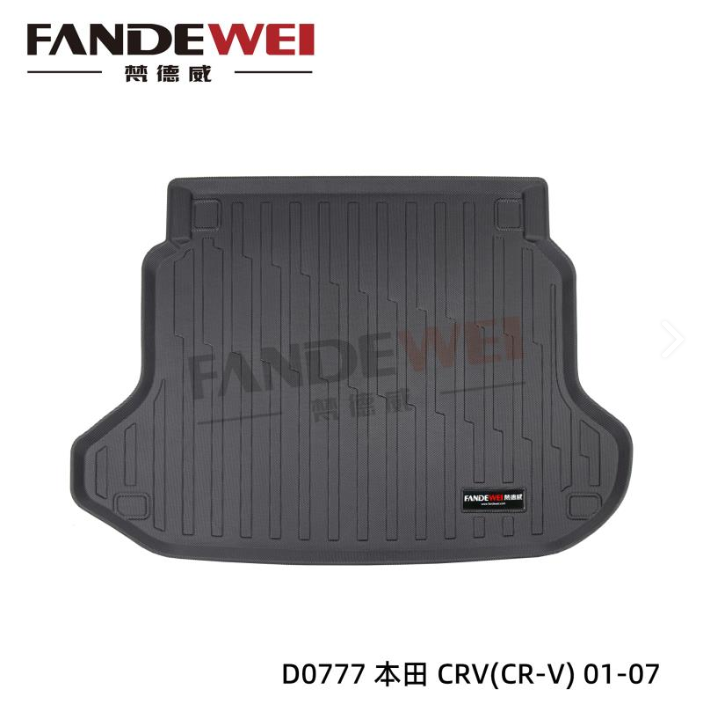
If your entryway sees half the neighborhood's snowmelt or the car seats regularly double as cup holders, the difference between a quick wipe and a deep scrub often comes down to material choice. Dense, non-porous synthetics like solution-dyed polyester, olefin, and marine-grade vinyl shrug off most of what gets tracked in or knocked over. These fabrics and coatings don't give liquids a place to soak, so mud rinses off and spilled coffee beads up long enough to blot.
For floors, rubber-backed nylon or polypropylene mats trap grit and dampness while staying colorfast through dozens of washings. On furniture, treated acrylic or tightly woven microfiber resists both staining and the lingering smell of wet dog. Even hard surfaces benefit: cork and luxury vinyl plank hold up to snowmelt better than raw hardwood, and they don't warp when a sports drink sits overnight.
How to Spot Weak Stitching and Cheap Edge Finishes
Run your fingers along the seams of a garment and you’ll quickly feel the difference between solid construction and corners that were cut. Weak stitching often shows up as loose, looping threads that snag when pulled gently, or uneven spacing where the needle skipped. On the flip side, quality stitching sits flat and tight, with no visible gaps or puckering, and the thread count per inch feels dense rather than sparse. If the fabric around a seam ripples or the stitches look like they’re straining with normal movement, that’s a red flag.
Cheap edge finishes are even easier to catch once you know what to watch for. Raw, unfinished edges that haven’t been serged, bound, or folded under will fray after the first wash. Look inside the hem and along side seams—if you see exposed fabric threads or a rough, zigzag edge that doesn’t lie flat, it’s a sign the manufacturer saved time and money. A proper finish, like a French seam or a clean overlock, wraps the raw edge fully so nothing peeks out or unravels.
One trick is to turn the piece inside out and tug lightly on the seams. Weak stitching will pull apart or show daylight through the holes, while cheap finishes might feel scratchy or look sloppy. Compare the inside to the outside—on a well-made item, both should look tidy, with no dangling threads or glue residue from quick fixes. If the edges feel stiff or the stitching breaks with minimal stress, leave it on the rack.
Getting a Snug Fit Without Measuring Every Curl
Most folks assume a curly hairpiece needs a ruler and a whole lot of patience to sit right. That's a myth worth tossing out. Instead of sizing up every spiral, focus on the base structure. A stretchy inner cap with adjustable straps does the heavy lifting—just tug the back band until it hugs your scalp, and the curls will fall into place on their own. The key is to let the cap do the conforming, not the curls themselves.
Another trick is to use the existing volume to your advantage. Lift the top layer and secure a couple of hidden combs near the temples. Since curly texture has natural give, it hides the hardware beautifully while creating a snug perimeter. You're not fighting the curl pattern; you're working with its bounce to lock everything down. No tape measure, no guesswork—just a quick press and go.
If the fit still feels loose at the nape, fold a thin strip of fabric or a silicone grip band inside the back edge. This fills the gap without altering the curl shape, and it stays put through head turns and windy days. It's a low-effort fix that beats re-measuring, and nobody will spot the adjustment once those curls are doing their thing.
A Simple Cleaning Routine That Prevents Cracking and Odors
Wooden cutting boards and butcher blocks stay in top shape when you clean them right after use, without letting food residue sit. A quick scrape with a bench knife or spatula removes stuck bits, then a rinse under warm water and a light scrub with a mild dish soap and a soft sponge does the job. The key is avoiding long soaks or putting the board in the dishwasher, because that's what leads to warping and deep cracks over time.
After washing, dry the board thoroughly with a clean cloth and stand it on its edge to let air circulate around all sides. Once a week, rub a thin layer of food-grade mineral oil or a beeswax blend into the wood, working with the grain until it's absorbed. This routine keeps moisture out of the tiny gaps where bacteria and odors like to hide, so the board stays fresh and doesn't develop that sour smell.
If you notice a lingering odor, sprinkle coarse salt over the surface and scrub with half a lemon, then rinse and dry as usual. For tougher stains or smells, a paste of baking soda and water left for ten minutes works well. The whole process takes less than two minutes after each meal, but it makes a huge difference in preventing splits and keeping your board odor-free for years.
When Paying More Up Front Saves You Money Later
The cheapest option rarely stays cheap. A pair of boots that costs half as much but needs replacing every year ends up costing double within a few seasons. The same logic applies to tools, appliances, and even software. Spending extra on a better build, a longer warranty, or a service that doesn't nickel-and-dime you for updates means the upfront sting fades while the long-term savings quietly stack up.
Consider the energy bill. A pricier refrigerator with a higher efficiency rating might add a couple hundred dollars at the register, but it can shave real money off your monthly utilities for a decade or more. Over the lifespan of the appliance, that initial premium often turns into a net gain. The trick is knowing which upgrades actually pay for themselves—and which are just marketing fluff.
Then there's the cost of fixing a bad decision. Buy the budget option, and you might find yourself paying for repairs, replacements, or workarounds within months. Invest in quality from the start, and you dodge those recurring headaches. It's not about overspending; it's about spending once instead of paying a little bit over and over until the total dwarfs what the good version would have cost.
FAQ
Focus on the material first. TPE and heavy-duty rubber tend to outlast thin carpet mats, especially if you haul tools or sports gear. Check the edge height too—raised lips keep spills from reaching the carpet underneath. A mat that feels flimsy in your hands usually won't survive daily use.
The country of origin matters less than the factory's quality control. Many well-known brands produce their mats in China using the same specs as anywhere else. Look for clear details about material thickness and warranty rather than assuming the source determines durability.
Pick up the mat or check the listed weight and thickness. A sturdy mat usually has some heft and doesn't fold into sharp creases. TPE rubber will feel flexible but dense, while cheap PVC often feels slick and hollow. If the edge can bend flat without resistance, it's probably too thin.
If you carry messy items regularly, yes. A custom shape hugs the sides and covers the full cargo area, so dirt and water don't sneak underneath. Universal mats save money upfront but often leave gaps where spills collect. Measure your trunk before ordering to avoid a bad fit.
Look for a mat with anti-slip backing or built-in anchors. Some use small nubs or Velcro-like strips that grip the carpet. If yours still shifts, a few strips of double-sided carpet tape along the edges can hold it in place without damaging the original floor.
It's usually off-gassing from synthetic rubber or PVC. Lower-quality mats tend to smell worse because of cheaper plasticizers. Let the mat air out outdoors for a day or two before installing it. If the odor persists for weeks, the material may not be stable in hot weather.
A rubber or TPE mat with raised edges will handle that easily. Just remove it, hose it down, and let it dry. Avoid carpeted mats for wet loads because moisture soaks through to the trunk floor. For heavy mud, a mat with deep grooves gives the dirt somewhere to settle.
Conclusion
A trunk mat made in China doesn't have to be a gamble. The ones that actually last start with dense, flexible rubber or heavy-duty TPE rather than thin PVC that cracks after one winter. Look for a mat that lies flat without curling at the edges—good molds follow the factory floor pan, so you don't need to wrestle it into place or trim corners. Mud and snow slide off easily when the surface has deep channels, and spilled coffee shouldn't seep through to the carpet underneath. If the material feels greasy or smells like a tire shop, walk away; that's a sign of cheap fillers that will break down fast.
Pay attention to the details you can see and touch. Stitching near the edges should be tight, with no loose loops or unraveling threads, and the border should be heat-sealed rather than just cut. A flimsy edge finish will peel within months, leaving you with a ragged mat that catches on shoes and cargo. The best trunk mats need almost no upkeep—just pull it out, hose it down, and let it dry. No special sprays, no scrubbing. That simple routine keeps cracking and odors away for years. And yes, spending a bit more now makes sense: a $30 mat that fades, warps, and needs replacing every year costs more than a $70 one that still looks decent after five. Quality in this category is rarely about brand name; it's about density, fit, and finish.
Contact Us
Contact Person: Jet
Email: [email protected]
Tel/WhatsApp: 8619903745266
Website: https://www.fandewei.com/