

Do Car Seat Covers Fit Leather Seats Properly
2026-11-16
Leather seats add a premium feel to any vehicle, but they come with real concerns about wear, cracking, and heat retention. If you are shopping for Car Seat Covers and own a leather interior, the fit question matters more than most buyers realize. At Tianmei, we manufacture covers designed to respect the unique surface of leather while delivering lasting protection. This guide explains what proper fit looks like, where problems arise, and how to choose covers that stay secure without damaging your upholstery.
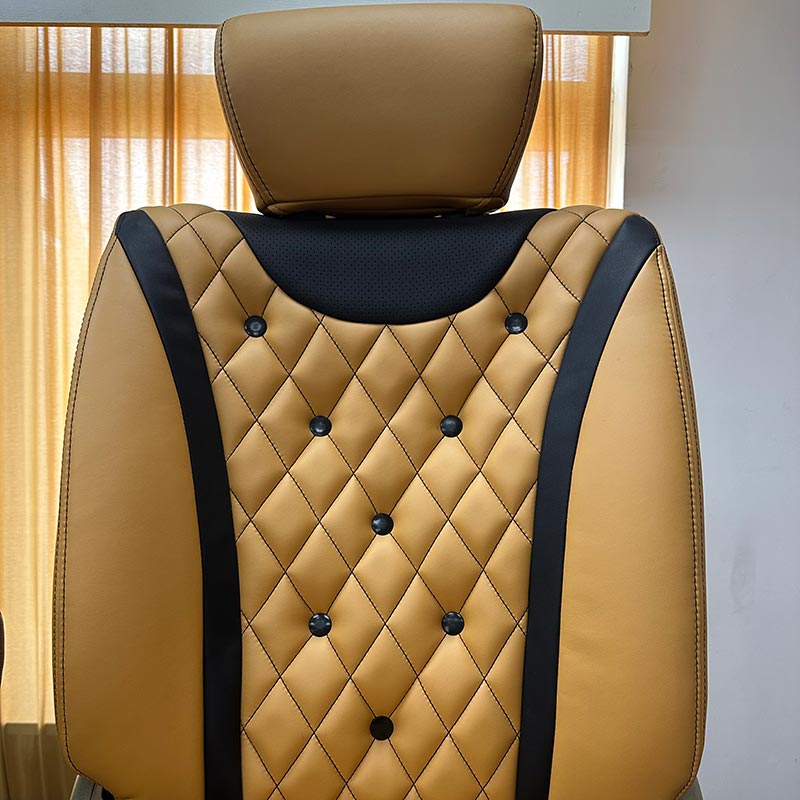
Why Leather Seats Demand a Different Fit Standard
Leather is smoother and more slippery than fabric, so a loose cover shifts, bunches, and rubs. Friction against trapped grit gradually dulls the finish. A well-fitted Car Seat Cover distributes pressure evenly and keeps the backing material from abrading the surface beneath it.
Key fit criteria for leather seats:
-
Anchoring points — straps, hooks, and tuck flaps that hold the cover taut
-
Backing material — soft, non-abrasive linings that will not scuff the leather
-
Cutout accuracy — precise openings for headrests, armrests, and seat controls
-
Elasticity — stretch panels that conform to contoured bolsters
-
Breathability — airflow that prevents moisture buildup
Universal vs. Custom Fit: A Direct Comparison
| Feature | Universal Car Seat Covers | Custom Car Seat Covers (Tianmei) |
|---|---|---|
| Fit accuracy | Approximate; may wrinkle on bolsters | Patterned to specific vehicle models |
| Slip resistance | Moderate; relies on generic straps | High; multi-point anchoring system |
| Leather compatibility | Varies by backing quality | Non-abrasive lining standard |
| Airbag compatibility | Often unverified | Tested seam design |
| Installation time | 10–20 minutes | 20–40 minutes |
| Long-term protection | Good for light use | Excellent for daily wear |
Custom-fit covers consistently outperform universal options on leather because they follow the seat's actual geometry rather than stretching a generic shape over it.
Fit Checklist Before You Buy
-
Confirm your vehicle's year, make, model, and trim.
-
Check whether the seats have side airbags and request airbag-compatible seams.
-
Verify headrest type — removable, integrated, or adjustable.
-
Measure seat depth and width at the bolsters, not just the cushion.
-
Ask about backing material and washing instructions.
-
Confirm the covers accommodate heated and ventilated seat functions.
Common Fit Problems and How to Avoid Them
-
Slipping on smooth leather — choose covers with silicone-backed grip panels.
-
Bunched bolsters — select stretch fabric or custom patterning.
-
Blocked seat controls — insist on precise cutouts.
-
Trapped moisture — use breathable, moisture-wicking fabrics.
-
Airbag obstruction — never use covers without tested breakaway seams.
Frequently Asked Questions
Do Car Seat Covers fit leather seats without causing damage? Yes, provided the cover has a soft non-abrasive backing and a secure anchoring system that prevents movement and friction against the leather surface.
Are custom Car Seat Covers better than universal ones for leather seats? Custom covers are better because they follow the exact contours of your seats, reducing slippage, wrinkling, and pressure points that universal covers often create.
Can Car Seat Covers be used on heated leather seats? Yes, but choose breathable, heat-permeable materials and confirm the cover does not trap heat, which can affect both comfort and the seat's heating element over time.
Final Thoughts
Proper fit is not a cosmetic detail — it is the difference between protection and premature wear. Tianmei builds Car Seat Covers with leather-safe backing, precise patterning, and tested airbag seams so your interior stays protected without compromise. Contact us today to confirm the right fit for your vehicle and receive expert guidance on selecting covers that match your seats exactly.