

Abstract: The automobile front grille is more than just a stylistic element—it plays a crucial role in vehicle performance, safety, and brand identity. This article explores the purpose, design considerations, materials, and maintenance of front grilles, helping car manufacturers, automotive enthusiasts, and buyers understand their significance. Insights are drawn to solve common concerns about airflow, durability, and aesthetics in modern vehicles.
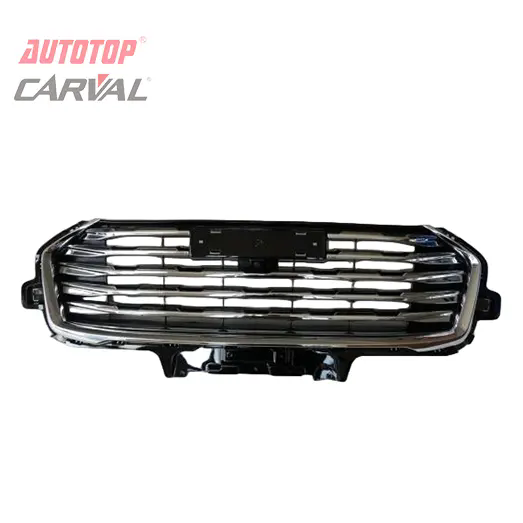
Table of Contents
- What Is an Automobile Front Grille?
- Why Front Grilles Are Important
- How Front Grilles Are Designed
- Common Materials and Finishes
- Maintenance and Replacement Tips
- FAQs About Automobile Front Grilles
- Conclusion
What Is an Automobile Front Grille?
The automobile front grille is the component located at the front of the vehicle, usually positioned between the headlights and above the bumper. It serves as the vehicle’s “face,” giving each model a unique visual identity. Beyond aesthetics, the grille acts as a protective barrier for the engine compartment, allowing air to flow in for cooling while preventing large debris from entering.
- Visual Signature: Car brands use distinctive grille designs to create a recognizable identity.
- Engine Cooling: The grille channels airflow to the radiator and engine bay.
- Protection: Guards sensitive components from rocks, leaves, and other debris.
Changzhou Jiahong Auto Parts Factory specializes in producing durable and stylish front grilles that combine both functionality and modern design.
Why Front Grilles Are Important
Automobile front grilles have functional, safety, and aesthetic importance:
| Aspect | Importance |
|---|---|
| Airflow Management | Ensures optimal cooling of the engine and radiator, preventing overheating. |
| Vehicle Protection | Shields the engine compartment and radiator from damage due to external debris. |
| Aesthetic Appeal | Defines the car’s exterior look and enhances brand identity. |
| Fuel Efficiency | Properly designed grilles improve aerodynamics, which can enhance fuel economy. |
In short, the grille isn’t just decoration—it is integral to vehicle performance and longevity.
How Front Grilles Are Designed
Designing a front grille requires careful consideration of multiple factors to balance function and aesthetics:
- Airflow Engineering: Grilles must allow sufficient air to cool the engine while minimizing drag.
- Material Selection: Designers choose materials that are lightweight yet durable, resistant to weather and impact.
- Brand Identity: Shape, pattern, and finish convey the manufacturer’s design language.
- Integration with Sensors: Modern vehicles often embed cameras, radar, and sensors within the grille without affecting performance.
- Compliance with Safety Regulations: Designs must meet crash and pedestrian safety standards.
Changzhou Jiahong Auto Parts Factory employs advanced CAD modeling and prototyping techniques to ensure that each front grille meets stringent functional and design standards.
Common Materials and Finishes
Front grilles are manufactured from a variety of materials, each with unique benefits:
- ABS Plastic: Lightweight, cost-effective, and highly moldable for complex patterns.
- Aluminum: Strong, corrosion-resistant, and provides a premium finish.
- Stainless Steel: Durable and resistant to rust, often used in high-end vehicles.
- Composite Materials: Combine strength, weight reduction, and aesthetic flexibility.
Surface finishes may include chrome plating, powder coating, or painted textures, ensuring the grille complements the vehicle’s overall design.
Maintenance and Replacement Tips
Proper care extends the life and performance of front grilles:
- Regularly clean the grille with mild soap and water to remove dirt, debris, and salt deposits.
- Inspect for cracks, chips, or loose components after long drives or minor collisions.
- Replace damaged grilles promptly to maintain airflow and vehicle aesthetics.
- For custom or aftermarket grilles, always choose reputable manufacturers like Changzhou Jiahong Auto Parts Factory to ensure fit and durability.
FAQs About Automobile Front Grilles
Q1: Can a damaged front grille affect engine performance?
A1: Yes. A compromised grille may reduce airflow to the radiator, potentially causing overheating.
Q2: How often should a front grille be replaced?
A2: Replacement is recommended if there are significant cracks, breaks, or if it has lost structural integrity. Regular inspection can prevent unexpected failures.
Q3: Are aftermarket grilles safe?
A3: High-quality aftermarket grilles from trusted manufacturers, such as Changzhou Jiahong Auto Parts Factory, meet or exceed OEM specifications and are generally safe.
Q4: Can I install a grille myself?
A4: Simple installations can be done by vehicle owners, but professional installation is recommended for complex designs or grilles with embedded sensors.
Conclusion
The automobile front grille is a vital component that blends functionality, protection, and style. From directing airflow to defining a vehicle’s visual identity, grilles serve multiple purposes that impact overall vehicle performance and brand recognition. Choosing high-quality grilles, such as those produced by Changzhou Jiahong Auto Parts Factory, ensures durability, proper fit, and enhanced aesthetics.
If you are interested in upgrading or replacing your vehicle's front grille, contact us today to explore premium options that combine style, protection, and performance.