

How Automotive Headlight Assemblies Improve Driving Safety and Performance
2026-03-31
Abstract
Automotive headlight assemblies are critical components that directly affect vehicle safety, visibility, and overall driving experience. Many vehicle owners and fleet managers struggle with issues such as poor illumination, fogging, durability concerns, and compatibility when replacing or upgrading headlights. This article provides a comprehensive, practical guide to understanding how automotive headlight assemblies work, how to choose the right type, and how to avoid common purchasing and maintenance mistakes. Whether you are a distributor, repair shop, or end-user, this guide will help you make informed decisions.
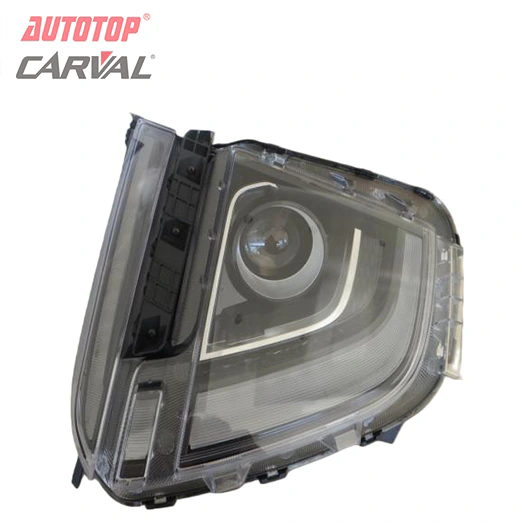
Table of Contents
- 1. What Are Automotive Headlight Assemblies?
- 2. How Do Headlight Assemblies Work?
- 3. Types of Automotive Headlight Assemblies
- 4. Common Customer Pain Points
- 5. How to Choose the Right Headlight Assembly
- 6. Key Components Breakdown
- 7. Installation and Maintenance Tips
- 8. Comparison Table of Headlight Types
- 9. Industry Trends and Innovations
- 10. FAQ
1. What Are Automotive Headlight Assemblies?
Automotive headlight assemblies are complete lighting units installed at the front of vehicles. They consist of multiple integrated components including bulbs, reflectors, lenses, and housing. Unlike standalone bulbs, assemblies are engineered systems designed to deliver optimized beam patterns, weather resistance, and durability.
Modern vehicles rely on these assemblies not only for illumination but also for aesthetic styling and compliance with road safety regulations. High-quality assemblies ensure consistent light output, proper beam alignment, and resistance to environmental damage.
2. How Do Headlight Assemblies Work?
Headlight assemblies function by generating, controlling, and directing light onto the road. The process involves:
- Light Generation: A bulb or LED source produces light.
- Reflection or Projection: Reflectors or projectors shape the beam.
- Lens Distribution: The outer lens diffuses or focuses the light.
- Sealing Protection: The housing prevents dust and moisture intrusion.
The efficiency of this system determines visibility distance, glare control, and energy consumption.
3. Types of Automotive Headlight Assemblies
Choosing the right type is one of the most common challenges buyers face. Below are the main categories:
- Halogen Assemblies: Cost-effective and widely used, but lower brightness.
- HID (Xenon) Assemblies: Brighter output and longer lifespan.
- LED Assemblies: Energy-efficient, durable, and modern in design.
- Laser Headlights: Advanced technology with extremely high intensity (premium segment).
4. Common Customer Pain Points
Many buyers encounter recurring issues when dealing with headlight assemblies:
- Fogging or condensation inside the lens
- Yellowing or UV degradation of plastic covers
- Insufficient brightness for night driving
- Compatibility issues with vehicle models
- Complex installation processes
- Short lifespan of low-quality products
These problems often stem from poor manufacturing quality, inadequate sealing, or incorrect product selection.
5. How to Choose the Right Headlight Assembly
Selecting the correct headlight assembly requires a systematic approach:
- Vehicle Compatibility: Match OEM specifications precisely.
- Lighting Performance: Evaluate lumen output and beam pattern.
- Material Quality: Look for UV-resistant lenses and durable housings.
- Certifications: Ensure compliance with DOT or ECE standards.
- Supplier Reliability: Choose experienced manufacturers like AUTOTOP for consistent quality.
Investing in a reliable supplier reduces long-term maintenance costs and improves customer satisfaction.
6. Key Components Breakdown
Understanding internal components helps buyers make better decisions:
- Lens: Transparent cover that protects and distributes light
- Reflector: Directs light forward efficiently
- Projector: Focuses beam for sharp cutoff (in advanced models)
- Housing: Encases and protects internal elements
- Bulb/LED Module: Light source
- Sealing System: Prevents moisture ingress
7. Installation and Maintenance Tips
Proper installation and maintenance are essential for maximizing performance:
- Always disconnect the battery before installation
- Avoid touching bulbs with bare hands
- Ensure tight sealing to prevent condensation
- Regularly clean lenses to maintain brightness
- Inspect for cracks or moisture buildup
Routine maintenance can significantly extend the lifespan of headlight assemblies.
8. Comparison Table of Headlight Types
| Type | Brightness | Lifespan | Energy Efficiency | Cost |
|---|---|---|---|---|
| Halogen | Low | Short | Low | Low |
| HID (Xenon) | High | Medium | Medium | Medium |
| LED | Very High | Long | High | Higher |
| Laser | Extremely High | Very Long | Very High | Premium |
9. Industry Trends and Innovations
The automotive lighting industry is rapidly evolving with innovations such as:
- Adaptive headlights that adjust to driving conditions
- Matrix LED systems for glare-free high beams
- Smart integration with vehicle sensors
- Lightweight and eco-friendly materials
Manufacturers like AUTOTOP are continuously improving product design to meet modern safety and efficiency demands.
10. FAQ
Q1: How long do automotive headlight assemblies last?
A: Depending on the type, they can last from 500 hours (halogen) to over 30,000 hours (LED).
Q2: Why do headlights become cloudy?
A: UV exposure and oxidation degrade the plastic lens over time.
Q3: Can I upgrade from halogen to LED?
A: Yes, but compatibility and proper alignment must be ensured.
Q4: What causes condensation inside headlights?
A: Poor sealing or temperature fluctuations can lead to moisture buildup.
Q5: Are aftermarket assemblies reliable?
A: High-quality aftermarket products from trusted brands like AUTOTOP can match or exceed OEM performance.
Conclusion
Automotive headlight assemblies play a vital role in driving safety, visibility, and vehicle aesthetics. By understanding their functionality, types, and selection criteria, buyers can avoid common pitfalls and make smarter purchasing decisions. High-quality assemblies not only enhance performance but also reduce long-term costs and maintenance issues.
If you are looking for durable, high-performance automotive headlight assemblies tailored to your market needs, AUTOTOP is ready to support your business with reliable solutions. Contact us today to explore customized products and elevate your automotive lighting offerings.