

How Can a Bulk Liquid Tank Truck Improve Safe and Efficient Liquid Transportation?
2026-06-04
Bulk liquid transportation is a critical part of many industries, including petroleum, chemical processing, food production, agriculture, water supply, and industrial manufacturing. Choosing the right transportation equipment directly affects operational efficiency, cargo safety, delivery speed, and overall business profitability.
A Bulk Liquid Tank Truck is specifically designed to transport large volumes of liquid products safely and efficiently over short and long distances. Whether transporting fuel, edible oils, chemicals, milk, water, or other liquid cargo, a high-quality tank truck can significantly reduce transportation risks while maximizing payload capacity.
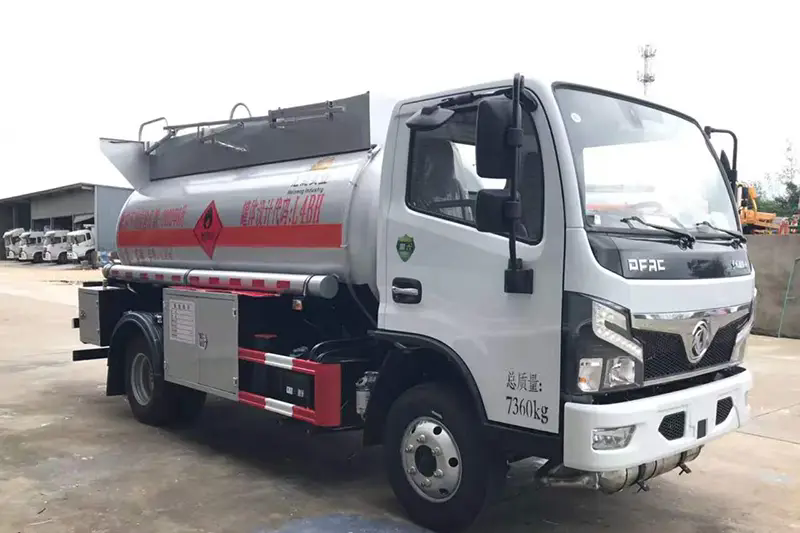
In this article, we will explore how bulk liquid tank trucks work, their advantages, key features, selection criteria, and how businesses can choose the most suitable solution for their transportation needs.
Article Summary
Bulk liquid tank trucks provide a reliable solution for transporting liquid materials across multiple industries. Modern tank trucks are engineered with advanced safety systems, durable tank structures, optimized compartment designs, and customizable configurations. Understanding their features and benefits helps businesses improve operational efficiency, reduce transportation costs, and ensure product integrity throughout the supply chain.
Table of Contents
- What Is a Bulk Liquid Tank Truck?
- Why Is Safe Liquid Transportation Important?
- Key Benefits of Bulk Liquid Tank Trucks
- Industries That Use Bulk Liquid Tank Trucks
- Important Features to Consider
- Tank Truck Types Comparison
- How to Choose the Right Tank Truck
- Maintenance and Safety Best Practices
- Why Work with an Experienced Manufacturer?
- Frequently Asked Questions
- Conclusion
What Is a Bulk Liquid Tank Truck?
A Bulk Liquid Tank Truck is a specialized commercial vehicle equipped with a large storage tank designed to transport liquid cargo in bulk quantities. The tank is mounted on a truck chassis and engineered to safely contain liquids during loading, transit, and unloading.
Depending on the application, tank trucks can transport:
- Petroleum products
- Diesel fuel
- Gasoline
- Lubricants
- Chemical liquids
- Industrial solvents
- Milk and dairy products
- Edible oils
- Potable water
- Liquid fertilizers
The tank structure, materials, and internal design vary according to the type of liquid being transported. Specialized configurations help prevent contamination, corrosion, leakage, and product degradation.
Why Is Safe Liquid Transportation Important?
Transporting liquid cargo presents unique challenges compared to transporting solid materials. Liquids can shift during movement, creating dynamic forces that affect vehicle stability. Improperly designed tanks may increase accident risks and cause cargo losses.
Safe transportation is important because it helps:
- Protect drivers and road users
- Prevent environmental contamination
- Reduce cargo losses
- Comply with industry regulations
- Maintain product quality
- Lower operational costs
- Improve customer satisfaction
Modern bulk liquid tank trucks incorporate advanced engineering features that minimize these risks while improving transportation efficiency.
Key Benefits of Bulk Liquid Tank Trucks
1. High Transportation Efficiency
Bulk liquid tank trucks allow operators to transport large volumes of liquid in a single trip. This reduces transportation frequency, labor costs, fuel consumption, and delivery time.
2. Enhanced Cargo Protection
The sealed tank structure protects liquids from contamination, moisture, dust, and external environmental factors throughout transportation.
3. Improved Safety Performance
Many tank trucks are equipped with:
- Anti-surge baffles
- Emergency shut-off systems
- Pressure relief valves
- Anti-overflow protection
- Grounding systems
- Fire safety equipment
These systems significantly reduce transportation risks.
4. Flexible Customization Options
Manufacturers can customize tank capacity, compartment quantity, discharge systems, insulation, material selection, and chassis configurations according to operational requirements.
5. Long Service Life
High-quality tank trucks are manufactured using durable materials such as carbon steel, stainless steel, and aluminum alloy, providing excellent durability and corrosion resistance.
Industries That Use Bulk Liquid Tank Trucks
| Industry | Typical Liquid Cargo | Main Requirement |
|---|---|---|
| Petroleum | Gasoline, diesel, fuel oil | Explosion prevention and safety |
| Chemical | Acids, solvents, industrial chemicals | Corrosion resistance |
| Food Processing | Milk, edible oils, beverages | Hygienic transportation |
| Agriculture | Liquid fertilizers | Large-volume delivery |
| Municipal Services | Water and wastewater | Reliable transport |
| Manufacturing | Industrial liquids | Operational efficiency |
Important Features to Consider
When investing in a bulk liquid tank truck, buyers should carefully evaluate several key features.
Tank Material
- Carbon Steel: Economical and durable for fuel and water transportation.
- Stainless Steel: Ideal for food-grade and corrosive liquids.
- Aluminum Alloy: Lightweight with excellent corrosion resistance.
Tank Capacity
Tank capacities generally range from 3,000 liters to more than 40,000 liters depending on transportation requirements and local regulations.
Compartment Design
Multi-compartment tanks allow transportation of different liquids within the same vehicle while preventing cross-contamination.
Safety Baffles
Internal baffles help reduce liquid movement during acceleration, braking, and cornering, improving vehicle stability.
Loading and Unloading System
Efficient pumps, valves, pipelines, and discharge systems can greatly improve operational productivity and reduce unloading time.
Tank Truck Types Comparison
| Type | Best For | Advantages |
|---|---|---|
| Fuel Tank Truck | Petroleum products | High safety standards |
| Chemical Tank Truck | Hazardous liquids | Corrosion-resistant design |
| Food Grade Tank Truck | Milk and edible oils | Sanitary construction |
| Water Tank Truck | Water transport | Versatile and economical |
| Insulated Tank Truck | Temperature-sensitive liquids | Maintains product quality |
How to Choose the Right Bulk Liquid Tank Truck
Selecting the right tank truck requires a detailed assessment of operational needs.
Consider the following factors:
- Type of liquid being transported
- Required transportation volume
- Distance of transportation routes
- Road and terrain conditions
- Industry compliance requirements
- Loading and unloading efficiency needs
- Maintenance requirements
- Expected service life
- Future fleet expansion plans
A thorough evaluation helps businesses maximize return on investment while ensuring safe operations.
Maintenance and Safety Best Practices
Regular maintenance is essential for preserving safety and extending equipment lifespan.
Recommended practices include:
- Inspect tank surfaces regularly
- Check valves and pipelines for leaks
- Test safety devices periodically
- Clean internal tank compartments
- Monitor chassis performance
- Maintain pump systems
- Train operators on proper procedures
- Follow scheduled maintenance programs
Preventive maintenance reduces downtime and helps avoid costly repairs.
Why Work with an Experienced Manufacturer?
The quality of a bulk liquid tank truck depends heavily on the expertise of its manufacturer. A reputable manufacturer can provide professional engineering support, strict quality control, customization options, and reliable after-sales service.
Hubei Runli Special Automobile Co., Ltd. specializes in the design and production of high-performance special-purpose vehicles, including bulk liquid tank trucks. With extensive manufacturing experience, advanced production facilities, and rigorous quality standards, the company provides customized transportation solutions for customers worldwide.
From fuel transportation and chemical logistics to food-grade liquid delivery and water transportation projects, selecting a trusted manufacturer helps ensure long-term operational success and dependable performance.
Frequently Asked Questions
What liquids can a bulk liquid tank truck transport?
Depending on tank specifications, these vehicles can transport fuel, chemicals, water, milk, edible oils, liquid fertilizers, and many other liquid products.
How long does a bulk liquid tank truck typically last?
With proper maintenance, a high-quality tank truck can provide reliable service for more than 10 to 20 years, depending on operating conditions and cargo type.
Why are internal baffles important?
Baffles reduce liquid surge inside the tank, improving vehicle stability and enhancing transportation safety.
Which tank material is best?
The ideal material depends on the cargo. Carbon steel is suitable for many fuel applications, stainless steel is preferred for food-grade and corrosive liquids, while aluminum alloy offers weight-saving benefits.
Can tank trucks be customized?
Yes. Manufacturers can customize tank volume, compartments, pumping systems, discharge configurations, insulation, and chassis selection according to customer requirements.
Conclusion
A well-designed Bulk Liquid Tank Truck plays a vital role in modern logistics by providing safe, efficient, and cost-effective transportation of liquid cargo. From enhanced safety systems and durable tank construction to customizable designs and high transportation efficiency, these specialized vehicles help businesses streamline operations while protecting valuable cargo.
If you are looking for a dependable bulk liquid transportation solution, Hubei Runli Special Automobile Co., Ltd. can provide professional support, customized vehicle designs, and reliable manufacturing capabilities to meet your specific industry requirements. Contact us today to discuss your project, receive expert guidance, and discover how our bulk liquid tank truck solutions can help your business improve efficiency, safety, and long-term profitability.