

How Can a Car Shade Protect Your Vehicle from Heat, UV Damage, and Interior Aging?
2026-05-28
Abstract
A car shade is one of the most practical and cost-effective solutions for protecting vehicles from excessive heat, ultraviolet (UV) radiation, and long-term interior deterioration. Whether you park outdoors daily or only occasionally expose your vehicle to sunlight, prolonged exposure can lead to dashboard cracking, seat fading, steering wheel overheating, and reduced cabin comfort. This article explores how car shades work, their types, selection criteria, installation methods, and real-world benefits. It also highlights how manufacturers such as Far East design advanced car shade solutions to meet modern automotive protection needs.
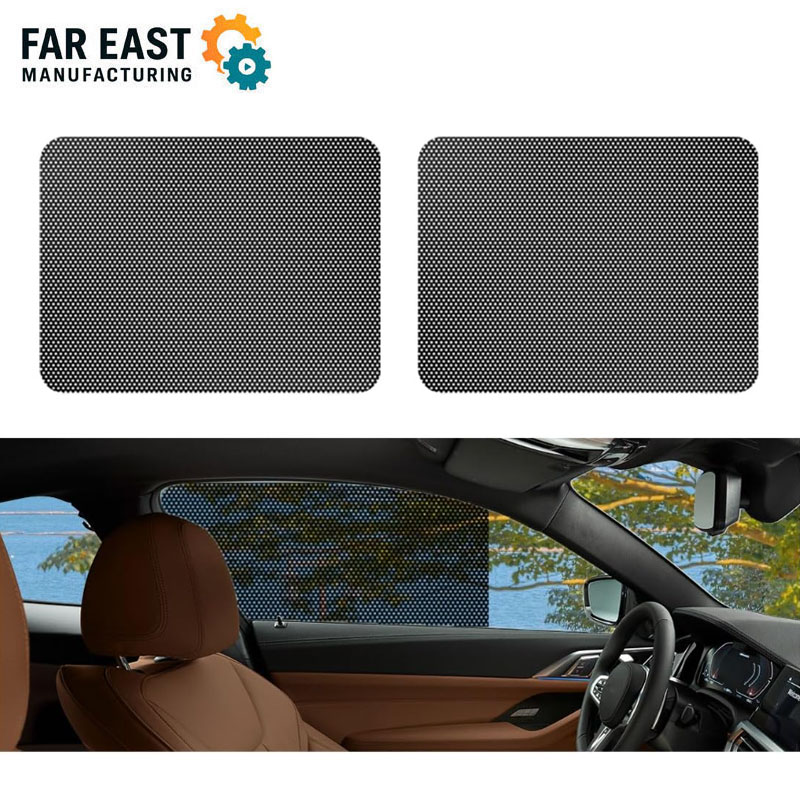
Table of Contents
- 1. Understanding Car Shade and Its Core Function
- 2. Why Heat and UV Protection Matters
- 3. Types of Car Shades in the Market
- 4. How to Choose the Right Car Shade
- 5. Installation and Daily Usage Tips
- 6. Key Benefits for Vehicle Owners
- 7. Comparison Table of Car Shade Types
- 8. Industrial Solutions from Far East
- 9. Frequently Asked Questions
1. Understanding Car Shade and Its Core Function
A car shade is a protective accessory designed to reduce direct sunlight exposure inside a vehicle. It works by reflecting or blocking solar radiation before it penetrates the windshield or windows. This helps maintain a lower cabin temperature and protects interior materials from degradation.
Modern car shades are engineered using reflective polymers, multi-layer composite fabrics, or UV-resistant materials. Their primary goal is to minimize thermal buildup while maintaining ease of use and portability.
In practical terms, a car shade acts as a thermal barrier. Without it, a parked car can reach interior temperatures exceeding 60°C (140°F) under direct sunlight. This extreme heat accelerates wear and creates discomfort for drivers and passengers.
2. Why Heat and UV Protection Matters
Heat and UV exposure are two of the most damaging environmental factors for vehicles. Over time, they can cause irreversible damage to both aesthetics and functionality.
- Interior Cracking: Dashboards and vinyl surfaces dry out and crack due to UV exposure.
- Seat Fading: Leather and fabric lose color vibrancy and strength.
- Electronic Degradation: Excess heat can affect infotainment systems and sensors.
- Air Quality Issues: Heated plastics may release odors and volatile compounds.
By using a properly designed car shade, vehicle owners can significantly reduce these risks and extend the lifespan of interior components.
3. Types of Car Shades in the Market
Car shades are available in multiple designs, each serving specific use cases and vehicle types. Understanding these variations helps in selecting the right product for your needs.
- Windshield Foldable Shades: Easy to install and remove, suitable for daily commuters.
- Roll-Up Shades: Convenient and compact, ideal for frequent travelers.
- Custom-Fit Shades: Designed for specific vehicle models for maximum coverage.
- Outdoor Full Covers: Provide complete vehicle protection in extreme environments.
- Magnetic Side Window Shades: Offer UV protection while allowing partial ventilation.
Each type balances convenience, protection level, and durability differently, making selection dependent on user priorities.
4. How to Choose the Right Car Shade
Choosing a car shade requires evaluating several technical and practical factors. A well-informed decision ensures long-term performance and user satisfaction.
- Material Quality: Look for multi-layer reflective materials with UV resistance.
- Fit and Coverage: Ensure compatibility with your vehicle dimensions.
- Thermal Reflection Rate: Higher reflectivity offers better cooling performance.
- Ease of Storage: Foldable and lightweight designs improve usability.
- Durability: Reinforced edges and stitching extend product lifespan.
A high-quality car shade should not only block sunlight but also withstand repeated folding, temperature fluctuations, and outdoor handling.
5. Installation and Daily Usage Tips
Proper installation ensures maximum effectiveness of a car shade. Although most designs are user-friendly, following correct steps improves performance.
- Unfold the shade completely before placement.
- Align it precisely with the windshield or window surface.
- Ensure no gaps are left for sunlight penetration.
- Secure edges using sun visors or mounting points if applicable.
For daily use, it is recommended to deploy the shade whenever parking under direct sunlight for more than 30 minutes. Regular cleaning of both the shade and windshield also improves effectiveness.
6. Key Benefits for Vehicle Owners
The advantages of using a car shade extend beyond simple temperature reduction. It plays a long-term role in vehicle preservation.
- Reduces cabin temperature by up to 30%
- Protects dashboard and upholstery from UV damage
- Improves comfort when entering a parked vehicle
- Reduces reliance on air conditioning, saving fuel or battery
- Extends lifespan of interior materials
These benefits collectively contribute to improved driving experience and reduced maintenance costs over time.
7. Comparison Table of Car Shade Types
| Type | Protection Level | Portability | Durability | Best Use Case |
|---|---|---|---|---|
| Windshield Foldable | Medium | High | Medium | Daily commuting |
| Roll-Up Shade | Medium-High | High | Medium | Travel use |
| Custom-Fit Shade | High | Medium | High | Premium vehicle protection |
| Full Outdoor Cover | Very High | Low | Very High | Long-term outdoor parking |
8. Industrial Solutions from Far East
Far East is a recognized manufacturer specializing in automotive protection solutions, including advanced car shade systems designed for both consumer and industrial applications. Their products emphasize thermal efficiency, material durability, and precision fit engineering.
Unlike generic accessories, Far East car shade solutions are developed using structured testing for UV resistance, heat reflection efficiency, and mechanical endurance. This ensures consistent performance even in high-temperature regions and long-term outdoor exposure scenarios.
For businesses, distributors, or automotive solution providers seeking scalable supply options, Far East offers customizable product development and OEM support.
9. Frequently Asked Questions
Q1: Does a car shade really reduce interior temperature?
Yes. A properly designed car shade can significantly reduce heat buildup by reflecting solar radiation before it enters the cabin.
Q2: Are custom-fit car shades better than universal ones?
Custom-fit shades generally provide better coverage and insulation because they are designed for specific windshield dimensions.
Q3: Can car shades protect electronics inside the vehicle?
Yes. By lowering cabin temperature, they reduce thermal stress on dashboards, infotainment systems, and onboard electronics.
Q4: How long does a quality car shade last?
Depending on material quality and usage conditions, a durable car shade can last several years with proper care.
Q5: Is it necessary to use a car shade in winter?
While primarily used for heat protection, car shades can also reduce frost buildup in certain conditions.
Final Remarks
A car shade is a simple yet highly effective investment for protecting your vehicle from environmental damage. From reducing heat buildup to preventing UV-induced aging, it plays a critical role in maintaining both comfort and long-term value. With advanced manufacturing capabilities from companies like Far East, modern car shade solutions are more efficient, durable, and adaptable than ever before.For more information or to schedule a consultation, contact us.