

Article Summary: Agricultural machinery operates in some of the most demanding environments, from muddy fields and uneven farmland to heavy-duty harvesting operations. Choosing the right tire directly affects traction, fuel consumption, soil protection, machine stability, and overall productivity. A Radial AGR Tire is designed to provide improved flexibility, load distribution, and operational performance compared with traditional tire structures in many agricultural applications. This guide explains how radial agricultural tires work, what advantages they provide, how farmers and equipment owners can select the right specification, and how proper maintenance can extend tire service life. Shandong Linglong Tyre Co., Ltd. provides professional tire solutions designed to meet different agricultural equipment requirements.
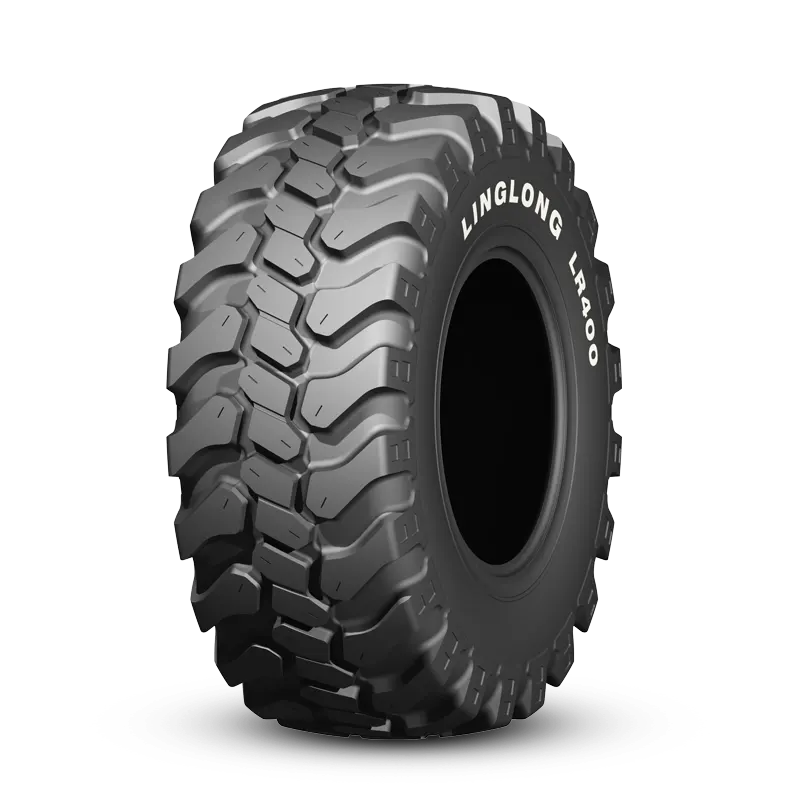
1. Understanding Radial AGR Tire Technology
Agricultural tires are essential components of tractors, harvesters, sprayers, and other farming equipment. Unlike ordinary vehicle tires, agricultural tires must handle unique challenges including heavy loads, changing terrain, wet soil conditions, and long working hours.
A Radial AGR Tire uses a radial construction method where the internal body cords are arranged perpendicular to the direction of travel. This structure allows the sidewall and tread area to work more independently, creating a flexible tire design that can adapt better to field conditions.
The design objective of radial agricultural tires is not simply to increase durability. A well-designed radial tire aims to balance traction, comfort, soil protection, load capacity, and energy efficiency.
Why is tire construction important for agricultural equipment?
- Traction capability: Agricultural machines require strong grip to transfer engine power effectively, especially in soft or uneven fields.
- Load management: Modern farming equipment has become heavier, requiring tires that can support increased loads without excessive deformation.
- Soil protection: Tire pressure and footprint influence soil compaction, which affects crop growth and field productivity.
- Operational comfort: Flexible tire structures can reduce vibration transmitted to the machine and operator.
- Service durability: Proper construction helps tires withstand repeated cycles of loading, movement, and changing conditions.
For agricultural professionals, selecting the correct tire structure is an important investment decision. The wrong tire choice may increase fuel consumption, reduce productivity, and create unnecessary operating costs.
2. How Radial AGR Tires Work
The performance of a Radial AGR Tire comes from the interaction between its internal structure, tread design, rubber compounds, and operating conditions.
In a radial construction, the casing cords extend radially from one bead to the other. Additional reinforcement layers under the tread help maintain stability and improve resistance to deformation. This allows the tread area to maintain better contact with the ground while the sidewalls remain flexible.
Main components of a radial agricultural tire
| Component | Function | Impact on Performance |
|---|---|---|
| Tread Pattern | Provides contact with soil and transfers driving force | Influences traction, self-cleaning ability, and field mobility |
| Radial Casing | Supports the tire structure and allows controlled flexibility | Improves footprint distribution and ride comfort |
| Sidewall | Provides protection and absorbs deformation | Affects durability and operating flexibility |
| Reinforcement Layer | Strengthens the tread area | Improves stability and resistance to wear |
| Bead Area | Connects the tire securely with the wheel | Maintains reliable mounting performance |
When the tire contacts the ground, the flexible radial structure allows a wider footprint compared with some traditional designs. This larger contact area can help distribute machine weight more evenly and improve traction efficiency.
3. Major Benefits of Radial Agricultural Tires
Farmers and equipment operators choose radial agricultural tires because they can provide advantages in productivity, efficiency, and machine operation when correctly matched to the application.
Improved traction in challenging fields
Agricultural operations often take place in soft soil, wet fields, and uneven terrain. The flexible footprint of radial tires helps maintain more consistent contact with the ground, allowing equipment to transfer power more effectively.
Reduced soil compaction
Soil health is becoming increasingly important in modern farming. Excessive soil compaction can limit root development and reduce crop performance. Because radial tires can operate with optimized pressure and a larger footprint, they may help reduce ground pressure compared with unsuitable tire choices.
Better fuel efficiency
Rolling resistance and traction efficiency influence fuel consumption. A properly selected radial AGR tire can help reduce unnecessary wheel slip, allowing machinery to complete tasks with improved energy utilization.
Higher operator comfort
Large agricultural machines often operate for many hours continuously. Flexible sidewalls and improved shock absorption characteristics can reduce vibration and improve working conditions.
Longer service potential
With proper inflation, correct loading, and regular inspections, radial agricultural tires can provide reliable service throughout demanding farming seasons.
4. Applications in Modern Agriculture
Modern farming equipment continues to become larger, heavier, and more productive. As machinery develops, agricultural tires must provide reliable performance under increasingly complex operating conditions.
Radial AGR Tires are commonly considered for different types of agricultural machinery where traction, load capability, and field performance are important factors.
| Equipment Type | Typical Working Conditions | Important Tire Requirements |
|---|---|---|
| Tractors | Plowing, planting, transportation, and general field operations | Strong traction, load capacity, and reduced wheel slip |
| Harvesters | Long working hours and heavy crop-processing operations | Durability, stability, and reliable performance under heavy loads |
| Sprayers | Crop protection operations across different terrains | Low soil disturbance and stable machine movement |
| Farm Transport Equipment | Moving materials on fields and roads | Balanced performance between road and off-road conditions |
| Special Agricultural Machinery | Specific farming environments and applications | Customized specifications and application compatibility |
Before selecting a tire, equipment owners should consider the machine manufacturer's recommendations, operating environment, expected workload, and seasonal usage patterns.
A tire designed for dry farmland conditions may not deliver the same performance in wet soil or high-load operations. Understanding the actual working environment helps prevent unnecessary replacement costs and productivity losses.
5. How to Select the Right Radial AGR Tire
Selecting the correct agricultural tire requires more than choosing a size that fits the wheel. The tire must match the equipment, workload, terrain, and operating requirements.
Step 1: Confirm tire size specifications
The first step is identifying the required tire dimensions, including width, aspect ratio, rim diameter, and load index. Incorrect sizing can affect machine balance, clearance, steering performance, and tire lifespan.
Step 2: Evaluate machine weight and load requirements
Agricultural machinery often carries different loads depending on attachments, fuel levels, crops, and working conditions. Select a tire that can safely support the expected operating load.
Step 3: Consider field conditions
- Soft soil requires strong traction and self-cleaning tread performance.
- Hard surfaces require durability and resistance to accelerated wear.
- Wet conditions require tread designs that can remove mud effectively.
- Uneven terrain requires stable construction and sidewall protection.
Step 4: Check operating speed
Agricultural equipment may operate at different speeds during field work and transportation. Tire selection should consider both working speed and road movement requirements.
Step 5: Select appropriate tread design
The tread pattern directly affects traction, soil interaction, and wear behavior. Different agricultural tasks may require different tread characteristics.
6. Tire Structure and Performance Factors
The performance of an agricultural tire depends on multiple design elements working together. Understanding these factors helps buyers make better decisions.
| Factor | Influence on Tire Performance |
|---|---|
| Tread Design | Determines traction, mud removal capability, and soil interaction. |
| Rubber Compound | Affects wear resistance, flexibility, and environmental durability. |
| Casing Construction | Influences load capacity, stability, and ride comfort. |
| Inflation Pressure | Controls footprint, fuel efficiency, and soil pressure. |
| Manufacturing Quality | Affects consistency, reliability, and service performance. |
Even a premium agricultural tire requires correct operating conditions. Excessive inflation pressure can reduce traction and increase soil pressure, while insufficient pressure can create excessive heat buildup and abnormal wear.
Why proper tire pressure matters
- Maintains the designed footprint on the ground.
- Helps prevent unnecessary tread wear.
- Supports correct load distribution.
- Reduces the risk of sidewall damage.
- Improves overall operating efficiency.
7. Maintenance Practices for Longer Tire Life
Agricultural tires represent a significant investment. Proper maintenance helps maximize their working life and reduces unexpected downtime during important farming periods.
Regular inspection checklist
- Check inflation pressure: Measure pressure regularly according to operating conditions and manufacturer recommendations.
- Inspect tread condition: Look for uneven wear, cuts, cracks, or embedded objects.
- Examine sidewalls: Check for damage caused by stones, equipment contact, or improper operation.
- Monitor tire matching: Ensure tires on the same axle or equipment system are correctly matched.
- Clean after operation: Remove mud, chemicals, or materials that may affect tire condition.
Storage recommendations
Seasonal agricultural equipment may remain unused for extended periods. Proper storage can prevent unnecessary deterioration.
- Store equipment in a dry environment when possible.
- Avoid long-term exposure to direct sunlight or harsh chemicals.
- Maintain appropriate tire pressure during storage.
- Inspect tires before returning equipment to operation.
Preventive maintenance is usually more cost-effective than emergency replacement during critical agricultural seasons.
8. Radial AGR Tire Performance Comparison
Different tire structures provide different performance characteristics. Understanding general differences can help users select a suitable option.
| Performance Area | Radial AGR Tire | Traditional Agricultural Tire |
|---|---|---|
| Ground Contact | Flexible footprint with improved weight distribution potential | Generally more rigid construction |
| Traction Efficiency | Designed for improved power transfer in many field conditions | Performance depends strongly on design and application |
| Soil Protection | Potentially lower ground pressure when correctly inflated | May create higher pressure depending on structure |
| Operator Comfort | Flexible sidewall structure can improve ride quality | Usually provides a firmer operating feel |
| Heavy Load Performance | Suitable designs can support modern agricultural machinery needs | Depends on specific construction type |
This comparison is general. Actual performance depends on tire design, size, inflation pressure, machine setup, and field conditions.
9. Frequently Asked Questions
Q1. What is a Radial AGR Tire?
A Radial AGR Tire is an agricultural tire using radial construction technology, where internal cords are arranged radially to provide a flexible structure designed for demanding farming applications.
Q2. Why do farmers choose radial agricultural tires?
Many farmers choose radial tires because they can provide improved traction, better load distribution, reduced soil impact potential, and enhanced operating comfort when correctly selected and maintained.
Q3. How does tire pressure affect agricultural performance?
Tire pressure affects the contact area, traction, fuel consumption, wear rate, and soil pressure. Maintaining suitable pressure is essential for achieving expected performance.
Q4. Can one Radial AGR Tire fit different agricultural machines?
Not always. Tire selection depends on size, load rating, machine requirements, operating speed, and working environment. Always confirm compatibility before installation.
Q5. How can I extend the service life of agricultural tires?
Regular pressure checks, proper loading, avoiding unnecessary damage, correct storage, and routine inspections can help extend tire service life.
Q6. What information should I provide when purchasing agricultural tires?
Provide machine type, current tire size, operating conditions, load requirements, terrain information, and expected working hours. Detailed information helps suppliers recommend appropriate products.
Q7. Are radial agricultural tires suitable for heavy-duty farming?
Many radial agricultural tire designs are developed for heavy-duty applications, but the specific load rating and operating conditions must always be verified.
Q8. How often should agricultural tires be inspected?
Inspection frequency depends on usage intensity, field conditions, storage environment, and equipment importance. Regular checks before and during farming seasons are recommended.
Choose Reliable Agricultural Tire Solutions with Shandong Linglong Tyre Co., Ltd.
Selecting the right Radial AGR Tire can significantly influence farming efficiency, machine performance, and operating costs. Understanding tire structure, working conditions, maintenance requirements, and application needs helps users make more reliable purchasing decisions.
Shandong Linglong Tyre Co., Ltd. focuses on providing professional tire solutions for different transportation and agricultural applications. With attention to product quality, technical development, and customer requirements, the company supports customers looking for dependable tire products.
If you are searching for suitable Radial AGR Tire solutions for tractors, agricultural machinery, or specialized applications, prepare your equipment information and technical requirements, then contact us to discuss product details, specifications, and purchasing options.