

How Can EEC Approval E-Vehicle Ensure Compliance and Safety?
2026-06-17
Article Abstract
EEC approval for electric vehicles (E-Vehicles) is a critical regulatory gateway for manufacturers aiming to enter the European market. It ensures that vehicles meet strict safety, environmental, and technical standards before being allowed for sale or use. This article explores how EEC approval works, why it matters, and how it helps manufacturers and users achieve higher levels of safety, compliance, and market acceptance. It also provides a structured breakdown of certification processes, technical requirements, challenges, and real-world applications, offering valuable insights for businesses and buyers navigating the E-Vehicle industry.
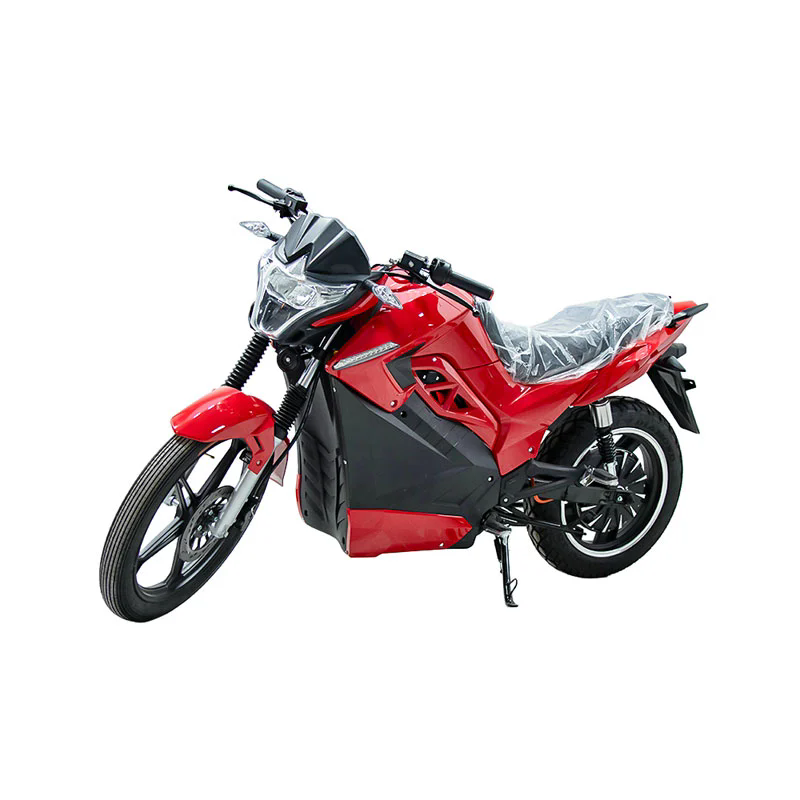
Table of Contents
- Introduction to EEC Approval for E-Vehicles
- What is EEC Approval?
- Why EEC Approval Matters
- EEC Compliance Certification Process
- Technical and Regulatory Requirements
- Safety and Environmental Standards
- Benefits for Manufacturers and Users
- Challenges in Obtaining EEC Approval
- Compliance vs Non-Compliance Comparison
- Market Applications in Europe
- Industry Support and Manufacturing Expertise
- Conclusion
- Frequently Asked Questions
Introduction to EEC Approval for E-Vehicles
The European Economic Community (EEC) approval system is one of the most influential regulatory frameworks for electric vehicles entering the European market. As global demand for sustainable transportation increases, manufacturers must ensure that their E-Vehicles meet rigorous compliance requirements. Without EEC certification, vehicles cannot be legally sold or operated in most European countries, making it a fundamental requirement for international expansion.
What is EEC Approval?
EEC approval is a certification process that verifies whether an electric vehicle complies with European Union directives covering safety, emissions, lighting, braking systems, electromagnetic compatibility, and structural integrity. It acts as a unified standard across EU member states, eliminating the need for separate national approvals.
For E-Vehicles, this certification is especially important because it confirms that battery systems, motor performance, and electronic control systems meet strict operational and safety benchmarks.
Why EEC Approval Matters
EEC approval is more than just a legal requirement; it is a market trust signal. Manufacturers who obtain certification demonstrate commitment to quality, safety, and environmental responsibility. For buyers and distributors, it reduces risk and ensures product reliability.
- Ensures legal market entry into Europe
- Improves consumer trust and brand credibility
- Reduces liability risks for manufacturers
- Standardizes quality across regions
EEC Compliance Certification Process
The certification process involves multiple stages of testing, documentation, and verification. Each step is designed to evaluate different aspects of vehicle performance and safety.
- Initial design evaluation and documentation review
- Prototype testing under controlled conditions
- Safety and environmental performance assessment
- Roadworthiness and durability testing
- Final certification issuance by authorized bodies
Manufacturers must collaborate closely with regulatory testing institutions to ensure full compliance before production and export.
Technical and Regulatory Requirements
EEC approval requires adherence to a broad set of technical standards, including:
| Category | Requirement | Purpose |
|---|---|---|
| Battery Safety | Thermal stability and overload protection | Prevent fire and malfunction risks |
| Braking System | ABS and emergency braking efficiency | Ensure vehicle control under stress |
| Lighting System | EU-compliant headlight and signal standards | Improve road visibility and communication |
| EMC Compliance | Electromagnetic interference control | Prevent system disruptions |
| Structural Integrity | Crash resistance and durability | Protect passengers in accidents |
Safety and Environmental Standards
One of the primary goals of EEC approval is to ensure both user safety and environmental protection. Electric vehicles must demonstrate minimal environmental impact while maintaining high safety performance.
- Reduced carbon emissions and energy efficiency compliance
- Battery recycling and waste management guidelines
- Noise reduction standards for urban environments
- High-voltage electrical system protection measures
These standards ensure that E-Vehicles contribute positively to sustainable urban mobility systems.
Benefits for Manufacturers and Users
EEC certification provides significant advantages across the supply chain:
- Faster market entry into European regions
- Increased export opportunities and revenue potential
- Higher product credibility in global markets
- Reduced inspection delays at customs
- Enhanced user confidence in product reliability
For consumers, certified E-Vehicles offer peace of mind through verified safety and performance standards.
Challenges in Obtaining EEC Approval
Despite its benefits, obtaining EEC approval can be complex and resource-intensive. Manufacturers often face challenges such as:
- High testing and certification costs
- Lengthy documentation and compliance procedures
- Frequent updates to regulatory frameworks
- Technical redesign requirements for non-compliant components
These challenges require careful planning, engineering expertise, and regulatory knowledge to overcome efficiently.
Compliance vs Non-Compliance Comparison
| Aspect | EEC Approved E-Vehicle | Non-Approved E-Vehicle |
|---|---|---|
| Market Access | Legal entry into EU markets | Restricted or prohibited |
| Consumer Trust | High confidence and reliability | Low trust and uncertain quality |
| Safety Assurance | Verified and tested | Unverified risk factors |
| Cost Efficiency | Long-term reduced liability | Potential legal and recall costs |
Market Applications in Europe
EEC-approved E-Vehicles are widely used across multiple sectors in Europe, including urban commuting, logistics, tourism, and industrial transport. The certification enables manufacturers to target a broad customer base, from private consumers to commercial fleet operators.
Electric scooters, compact EV cars, and utility vehicles are particularly popular in densely populated European cities where environmental regulations are strict.
Industry Support and Manufacturing Expertise
In the global E-Vehicle supply chain, experienced manufacturers play a crucial role in helping clients achieve compliance. Ningbo Haikelun Trading Co. Ltd. provides industry-oriented solutions for EEC-approved E-Vehicles, focusing on production quality, regulatory alignment, and export readiness.
By integrating engineering expertise with international certification knowledge, the company supports clients in reducing approval timelines and improving product competitiveness in the European market.
Conclusion
EEC approval is a foundational requirement for any E-Vehicle manufacturer targeting the European market. It ensures safety, enhances product quality, and builds consumer trust while enabling legal market access. Although the certification process can be demanding, the long-term benefits significantly outweigh the challenges. Companies that prioritize compliance are better positioned for sustainable growth and international expansion.
Frequently Asked Questions
What does EEC approval mean for E-Vehicles?
It is a certification confirming that an electric vehicle meets European safety, environmental, and technical standards.
Is EEC approval mandatory?
Yes, it is required for legal sales and distribution of vehicles within EU member states.
How long does the approval process take?
The duration varies depending on vehicle complexity, documentation readiness, and testing requirements.
Can manufacturers modify vehicles after approval?
Any significant modification may require re-certification to maintain compliance.
Why is certification important for buyers?
It ensures that the product has passed strict safety and performance evaluations.
For professional manufacturing solutions and EEC-compliant E-Vehicle support, Ningbo Haikelun Trading Co. Ltd. offers reliable expertise and production capabilities tailored to global market demands.
Contact us today to explore partnership opportunities and obtain high-quality EEC-approved E-Vehicles designed for international success.