

How Can Fuel Tank Trailer Ensure Safe and Efficient Fuel Transportation?
2026-06-17
Abstract
Fuel transportation is a critical part of the global energy supply chain, and fuel tank trailers play a central role in ensuring safe, stable, and efficient delivery of petroleum products. This article explains the structure, working principles, safety mechanisms, and selection criteria of fuel tank trailers. It also explores operational challenges and maintenance strategies to help operators improve reliability and reduce transportation risks. The insights are designed for logistics companies, fleet operators, and industrial buyers seeking practical understanding and long-term value.
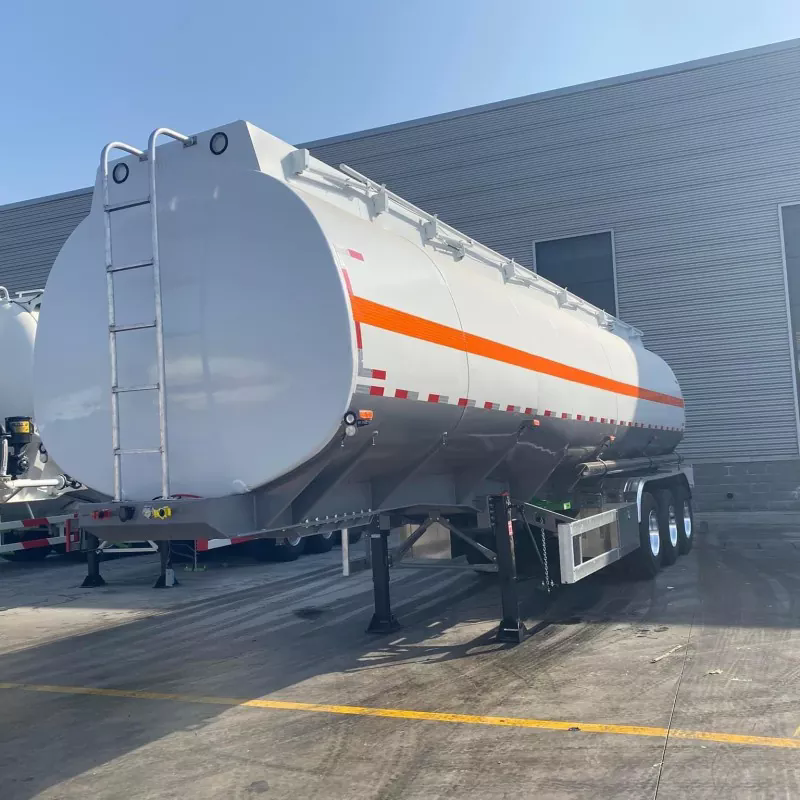
Table of Contents
- 1. Overview of Fuel Tank Trailer
- 2. Key Components and Structure
- 3. Working Principles
- 4. Safety Design and Risk Control
- 5. Applications Across Industries
- 6. How to Select the Right Fuel Tank Trailer
- 7. Maintenance and Lifecycle Management
- 8. Regulatory and Operational Compliance
- 9. Technical Specifications Overview
- 10. Conclusion
- 11. FAQ
1. Overview of Fuel Tank Trailer
A fuel tank trailer is a specialized semi-trailer designed for transporting liquid fuels such as gasoline, diesel, kerosene, and other petroleum-based products. These trailers are engineered with high-strength materials and advanced sealing systems to prevent leakage and ensure stability during long-distance transport.
Modern logistics heavily depends on fuel tank trailers to maintain uninterrupted energy distribution. Companies like Shandong Derun Vehicle focus on producing durable and customizable tank trailers that meet diverse industrial requirements.
2. Key Components and Structure
A fuel tank trailer is composed of multiple engineered systems that work together to ensure safe fuel transportation. Each component plays a specific role in maintaining structural integrity and operational efficiency.
- Tank Body: Usually made from carbon steel, stainless steel, or aluminum alloy depending on fuel type.
- Baffles: Internal partitions that reduce liquid movement and improve driving stability.
- Axle System: Supports load distribution and ensures road stability.
- Discharge System: Includes pumps, valves, and pipelines for controlled fuel unloading.
- Safety Valves: Prevent overpressure and reduce explosion risk.
- Chassis Frame: Provides structural support for the entire trailer body.
3. Working Principles
The operational mechanism of a fuel tank trailer revolves around controlled loading, transportation, and unloading of liquid fuel. During loading, fuel enters the tank through sealed inlet valves. Internal baffles reduce sloshing effects, ensuring that the vehicle remains stable even during sudden braking or sharp turns.
During transportation, pressure and temperature are continuously monitored. When reaching the destination, fuel is discharged through gravity or pump-assisted systems. Each step is designed to minimize spillage and maximize operational safety.
4. Safety Design and Risk Control
Safety is a primary consideration in fuel transport engineering. Fuel tank trailers are equipped with multiple protective mechanisms to mitigate risks such as leakage, fire, and explosion.
- Anti-static grounding system: Prevents static electricity buildup during loading and unloading.
- Emergency shut-off valves: Automatically close during abnormal conditions.
- Anti-roll stability design: Reduces the risk of rollover accidents.
- Leak-proof welding technology: Ensures long-term sealing integrity.
- Fire-resistant coatings: Improve resistance in high-temperature environments.
Manufacturers such as Shandong Derun Vehicle implement strict quality control systems to ensure each trailer meets international safety benchmarks.
5. Applications Across Industries
Fuel tank trailers are widely used across multiple sectors due to their versatility and efficiency:
- Oil and gas distribution companies
- Aviation fuel supply chains
- Mining and construction sites
- Military logistics operations
- Industrial fuel storage and transfer
Their adaptability makes them essential in both urban distribution networks and remote field operations.
6. How to Select the Right Fuel Tank Trailer
Choosing the correct fuel tank trailer requires evaluating operational needs, fuel type, and regulatory requirements. Below are key factors to consider:
- Tank Material: Aluminum for light fuel, stainless steel for corrosive liquids, carbon steel for general use.
- Capacity Requirements: Typically ranges from 20,000 to 60,000 liters depending on logistics scale.
- Axle Configuration: Affects load distribution and road compliance.
- Terrain Conditions: Off-road or highway usage affects suspension selection.
- Customization Needs: Pump systems, compartments, and insulation options.
Shandong Derun Vehicle provides tailored solutions based on specific operational requirements, ensuring optimized performance for different industries.
7. Maintenance and Lifecycle Management
Proper maintenance significantly extends the lifespan of fuel tank trailers and ensures operational safety. Regular inspection routines help identify potential issues before they become critical failures.
- Inspect valves and pipelines for leakage weekly
- Check tire pressure and axle alignment regularly
- Clean internal tank residue to prevent contamination
- Test braking and electrical systems before long trips
- Apply anti-corrosion coating maintenance annually
Well-maintained trailers not only improve safety but also reduce operational downtime and repair costs.
8. Regulatory and Operational Compliance
Fuel transportation is subject to strict regulatory frameworks that govern vehicle design, load limits, and environmental safety standards. Compliance ensures safe operation and avoids legal risks.
Key compliance considerations include:
- Hazardous material transportation certification
- Emission control regulations
- Road safety and axle load limits
- Periodic inspection and certification requirements
Manufacturers like Shandong Derun Vehicle design trailers to align with global compliance standards, helping operators meet regulatory obligations more easily.
9. Technical Specifications Overview
| Specification | Typical Range |
|---|---|
| Tank Capacity | 20,000 – 60,000 liters |
| Material | Carbon Steel / Stainless Steel / Aluminum Alloy |
| Axles | 2 – 4 Axles |
| Design Pressure | 0.1 – 0.3 MPa |
| Compartments | 1 – 6 Sections |
10. Conclusion
Fuel tank trailers are indispensable assets in modern fuel logistics systems. Their structural engineering, safety systems, and operational efficiency directly influence supply chain reliability. By understanding their components, maintenance requirements, and selection criteria, operators can significantly enhance transport safety and reduce operational risks.
With advanced manufacturing capabilities, Shandong Derun Vehicle continues to provide reliable and customized fuel tank trailer solutions for global clients, supporting efficient and safe fuel distribution networks.
11. FAQ
Q1: What fuels can a fuel tank trailer transport?
It can transport gasoline, diesel, kerosene, aviation fuel, and other petroleum-based liquids depending on tank material.
Q2: How long does a fuel tank trailer last?
With proper maintenance, a high-quality trailer can last 10–15 years or longer.
Q3: What is the most important safety feature?
Anti-static grounding and leak-proof sealing systems are among the most critical safety features.
Q4: Can fuel tank trailers be customized?
Yes, manufacturers like Shandong Derun Vehicle offer customization for capacity, compartments, and pumping systems.
Contact us today at Shandong Derun Vehicle to get professional consultation and customized fuel tank trailer solutions tailored to your business needs. Our team is ready to support your logistics efficiency and safety upgrades.