
How Can Hydraulic-Driven Steel Ladle Cars Reduce Energy Consumption in Steel Production
2026-01-21
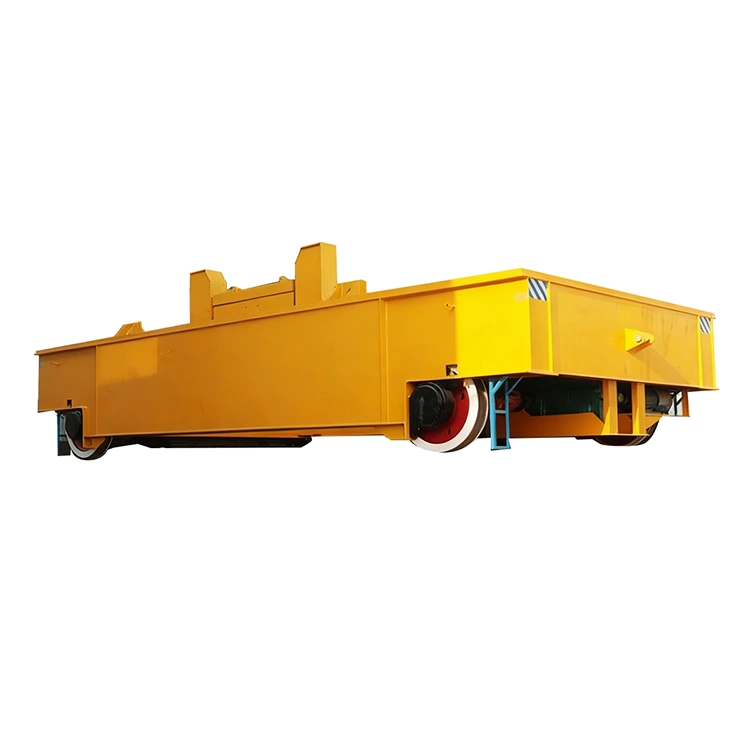
In the relentless pursuit of sustainability and cost efficiency within the steel industry, energy optimization is paramount. A key area for significant improvement lies in the transport of molten steel. Here, the Hydraulic-Driven Steel Ladle Car emerges as a superior solution, offering precise control and reliability that directly translates to reduced energy consumption. At Yuexin, we engineer these robust transfer systems to help mills achieve their operational and environmental goals through intelligent design and robust performance.
Traditional ladle cars often rely on less efficient drive systems that can lead to energy waste through slippage, jerky movements, and excessive maintenance demands. The Hydraulic-Driven Steel Ladle Car addresses these issues head-on, providing a direct path to lower your plant's energy footprint.
Key Energy-Saving Mechanisms of Hydraulic Drive Systems
-
Precise Speed and Torque Control: Hydraulic systems allow for infinitely variable speed control and high torque at low speeds, enabling smooth acceleration and deceleration. This eliminates energy-wasting jerks and stops, ensuring optimal ladle transfer with minimal power usage.
-
High Power Density and Load Handling: Hydraulic motors deliver exceptional power in a compact size, efficiently moving the immense weight of a full ladle without the need for oversized, energy-hungry electric motors.
-
Reduced Maintenance and Downtime: Robust hydraulic components suffer less from the intense heat and particulate exposure in melt shops. This reliability, a cornerstone of Yuexin designs, means less energy spent on ancillary repair processes and more consistent, efficient operation.
-
Regenerative Capabilities: Advanced systems can incorporate regenerative features, capturing energy during braking and repurposing it, further enhancing overall efficiency.
Comparative Efficiency: Hydraulic vs. Conventional Drives
The table below highlights the operational advantages that contribute to energy savings:
| Feature | Hydraulic-Driven Ladle Car | Conventional Electric-Driven Car |
|---|---|---|
| Start-up Torque | Very High, efficient from standstill | Lower, may require higher power input |
| Speed Control | Smooth & Infinitely Variable | Stepped, less precise |
| Heat Resilience | Excellent (with proper design) | Can be a vulnerability for motors |
| Load Handling | Exceptional for heavy, shock loads | Can be less efficient under full load |
Hydraulic-Driven Steel Ladle Car FAQ
What makes a hydraulic drive more energy-efficient than an electric drive for this application?
Hydraulic drives provide superior torque at low speeds and under direct load, eliminating the inefficiencies associated with gear reducers and high-current start-ups common in electric systems. This results in lower peak power demand and smoother, more controlled energy use throughout the transfer cycle.
How does the maintenance profile of a hydraulic system impact overall energy consumption?
A well-maintained hydraulic system from Yuexin ensures consistent pressure and flow, preventing efficiency drops. Reduced unplanned downtime also means the production line operates as intended, avoiding energy-intensive stop-start scenarios and keeping the entire casting process running at optimal energy levels.
Can these ladle cars be integrated into existing steel plant layouts for immediate benefits?
Yes. Yuexin specializes in designing Hydraulic-Driven Steel Ladle Cars as retrofits or complete systems tailored to your plant's specific layout. This allows for a direct upgrade of your material handling efficiency, leading to immediate gains in energy performance without a complete facility overhaul.
In conclusion, the transition to a Hydraulic-Driven Steel Ladle Car is a strategic investment that directly targets and reduces energy consumption in core steel production processes. The combination of precise control, robust performance, and lower lifecycle costs delivers a compelling return. To explore how a Yuexin engineered solution can optimize your ladle transfer operations and cut your energy costs, contact our expert team today for a detailed consultation.