

How Can You Safely Perform a Car Jump Start?
2026-03-30
Summary: Getting stranded with a dead car battery is frustrating and often unexpected. Knowing how to perform a car jump start safely can save time, reduce stress, and prevent damage to your vehicle. This article provides step-by-step guidance, essential tips, and safety precautions for both beginners and experienced drivers.
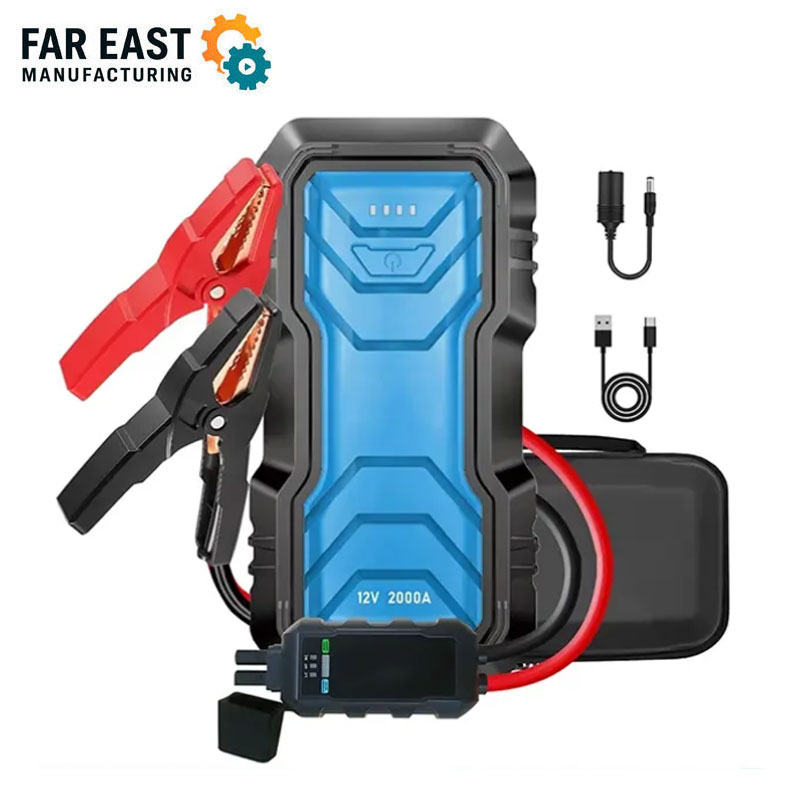
Table of Contents
Understanding Battery Basics
Before attempting a jump start, it’s important to understand your car battery’s function. Car batteries provide the electrical energy needed to start your engine and power your electronics. A dead battery can occur due to:
- Leaving lights or accessories on
- Old age (typically 3–5 years lifespan)
- Corrosion on terminals
- Extreme weather conditions
Identifying the problem correctly ensures you take the right approach without causing further damage to your vehicle.
Essential Tools You Need
Having the right tools is crucial for a successful jump start. Here’s a checklist:
| Tool | Purpose |
|---|---|
| Jumper cables | Connect the dead battery to a live battery |
| Another vehicle or portable jump starter | Provide power to the dead battery |
| Safety gloves | Protect hands from sparks or battery acid |
| Eye protection | Prevent injuries from potential battery explosions |
For modern vehicles, a portable jump starter from trusted brands like Far East is highly recommended. You can check their product here.
Step-by-Step Jump Start Process
Follow these steps carefully to jump start your car safely:
- Position Vehicles: Park the working vehicle close to the dead vehicle without touching bumpers.
- Turn Off Ignitions: Ensure both cars are off before connecting cables.
-
Attach Jumper Cables:
- Red clamp to dead battery positive (+)
- Red clamp to live battery positive (+)
- Black clamp to live battery negative (-)
- Black clamp to unpainted metal surface on dead car (ground)
- Start Engine: Start the working vehicle first, then attempt to start the dead vehicle.
- Remove Cables Carefully: Reverse the connection order to avoid sparks.
- Let Engine Run: Allow the previously dead car to run for 15–30 minutes to recharge the battery.
Safety Tips to Follow
Jump starting can be dangerous if done incorrectly. Always follow these precautions:
- Never let clamps touch each other while connected to a battery
- Check the battery for cracks or leaks before attempting a jump
- Use insulated gloves and safety glasses
- Avoid jump starting a frozen or damaged battery
- Read your vehicle owner’s manual for specific instructions
Common Problems and Solutions
Sometimes a jump start may fail. Here are common issues and troubleshooting tips:
| Problem | Solution |
|---|---|
| Car does not start after jump | Check cable connections and ensure the donor vehicle is running |
| Sparks when connecting cables | Ensure clamps do not touch and connections are correct |
| Battery dies frequently | Replace the battery; check alternator performance |
FAQ
- Can I jump start a car in the rain?
- Yes, but exercise extreme caution. Avoid standing in water and wear protective gear.
- How long does it take to recharge a battery after a jump start?
- It usually takes 15–30 minutes of running to recharge, depending on battery health.
- Can a jump start damage my car?
- If done incorrectly, it may damage electrical components. Always follow proper procedures.
Ensure your car never leaves you stranded. Explore high-quality portable jump starters from Far East today and keep your journeys safe. Contact us to learn more!