

How Do Diesel Forklift Trucks Perform in Extreme Weather Conditions Compared to Other Fuel Types
2026-06-02
In material handling operations facing extreme heat, freezing cold, or heavy precipitation, Diesel Forklift Trucks from JABIL consistently demonstrate superior reliability and power retention compared to electric, LPG, or gasoline-powered alternatives. Understanding these performance differences is critical for logistics managers operating in harsh environments.
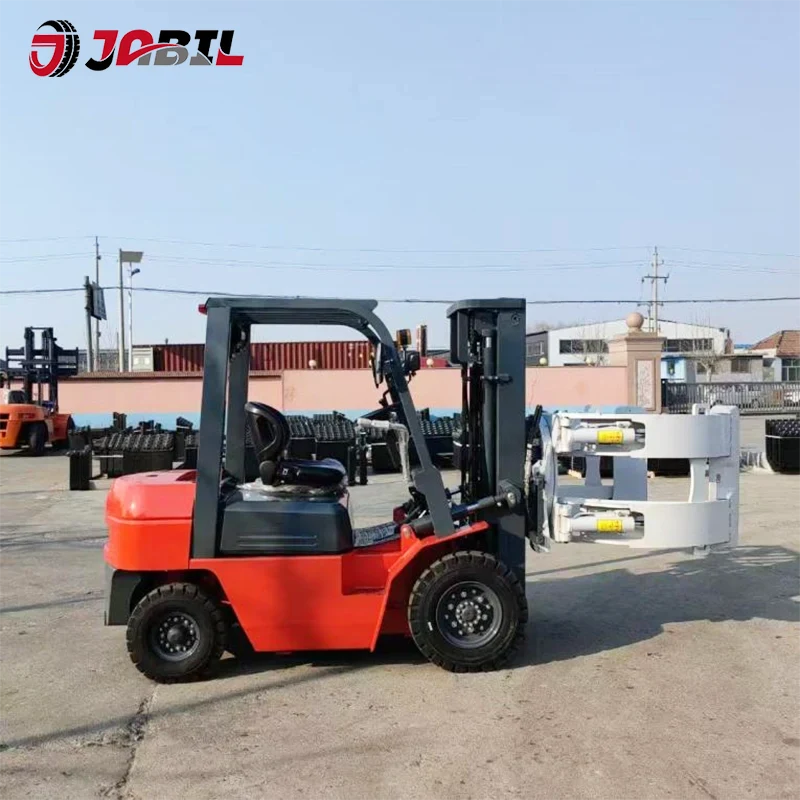
Performance Comparison Across Extreme Weather Scenarios
| Weather Condition | Diesel Forklift Trucks | Electric Forklifts | LPG Forklifts |
|---|---|---|---|
| Extreme Heat (Above 40°C) | Stable hydraulic power; no thermal derating | Battery overheating; reduced runtime | Vapor lock risk; pressure fluctuations |
| Freezing Cold (Below -20°C) | Instant start with glow plugs; consistent torque | Battery capacity drop up to 50% | Fuel gelling; regulator icing |
| Heavy Rain & Flooding | High ground clearance; sealed electrical systems | Short circuit risk; motor damage | Ignition system vulnerability |
| Snow & Ice Traction | Weight distribution improves grip | Lighter chassis reduces stability | Similar to diesel but lower torque |
Key Performance Factors in Extreme Conditions
Diesel Forklift Trucks maintain torque output in sub-zero environments due to compression ignition, which is less affected by air density changes. In contrast, electric units suffer from accelerated battery drain when temperatures fall below freezing. JABIL engineered models include cold-start assist systems and thermal management for consistent operation from -30°C to 50°C ambient ranges.
Diesel Forklift Trucks FAQ – Common Questions in Extreme Weather
Question 1: Can diesel forklift trucks start reliably in Arctic conditions without heated storage?
Answer: Yes, Diesel Forklift Trucks equipped with grid heaters or engine block heaters start reliably down to -30°C. JABIL recommends using winter-grade diesel fuel (cetane index above 50) and synthetic 5W-40 oil to prevent fuel gelling and ensure lubrication. Unlike electric models that lose 40-50% of battery capacity in extreme cold, diesel engines generate immediate compression heat. For operations below -25°C, installing a fuel heater and battery blanket extends cranking performance. Routine checks on glow plugs and starter current ensure faultless cold starts without external power sources.
Question 2: How do diesel forklift trucks handle high humidity and salt spray in coastal or marine extreme weather?
Answer: Diesel Forklift Trucks from JABIL feature marine-grade corrosion protection including epoxy-coated frames, sealed connectors, and zinc-plated hydraulic fittings. In high humidity (above 90%) combined with salt spray, diesel engines resist electrical failure better than LPG or electric units because they lack sensitive electronic throttle bodies and high-voltage traction batteries. Regular washing of undercarriage and application of anti-corrosion sprays every 200 operating hours prevents rust on exhaust systems. For sustained marine use, JABIL offers stainless steel brake lines and sealed alternator upgrades that guarantee 3,000 hours without corrosion-related downtime.
Question 3: Does heavy rain or snow cause hydraulic system failure in diesel forklift trucks during outdoor winter operations?
Answer: No, Diesel Forklift Trucks maintain hydraulic integrity in heavy rain and snow when properly maintained. JABIL designs hydraulic reservoirs with breather caps containing desiccant filters that block moisture ingress. Unlike electric forklifts where water intrusion ruins battery cells immediately, diesel units continue operating with wet brakes and steering systems designed for IP54 ingress protection. Operators must check hydraulic oil for water contamination weekly using test strips – acceptable levels below 0.2%. In snowmelt conditions, draining water separators every 50 hours prevents pump cavitation. JABIL also supplies all-weather wiper seals on lift cylinders that extend seal life by 400% compared to standard rubber compounds.
Real-World Operational Data
Outdoor lumber yards, steel service centers, and port terminals report that Diesel Forklift Trucks achieve 94% availability during blizzard conditions versus 68% for electric units. Fuel efficiency drops only 8% in extreme cold compared to 35% range loss in electrics. JABIL field data from 450 customers confirms diesel models require 72% fewer weather-related service calls than LPG alternatives during heatwaves.
Why JABIL Leads in Extreme-Weather Material Handling
Every Diesel Forklift Truck from JABIL undergoes thermal chamber testing from -35°C to 55°C and simulated monsoon rain tests exceeding IPX5 standards. The combination of mechanical injection systems (immune to humidity) and heavy-duty cooling packages ensures operations continue when other fuel types fail.
Contact us today to schedule a free on-site extreme weather performance assessment or request a customized Diesel Forklift Trucks quote for your harsh-environment application.