

How Do Ergonomic Cushions Improve Everyday Comfort?
2026-01-09
Article Summary
Ergonomic Cushions are increasingly adopted across offices, homes, vehicles, and healthcare environments due to their ability to reduce physical strain and enhance long-term comfort. This article explains how ergonomic cushions work, what problems they solve, how to choose the right model, and where they deliver the greatest value. By understanding design principles, materials, and application scenarios, buyers can make informed decisions that improve posture, productivity, and overall well-being.
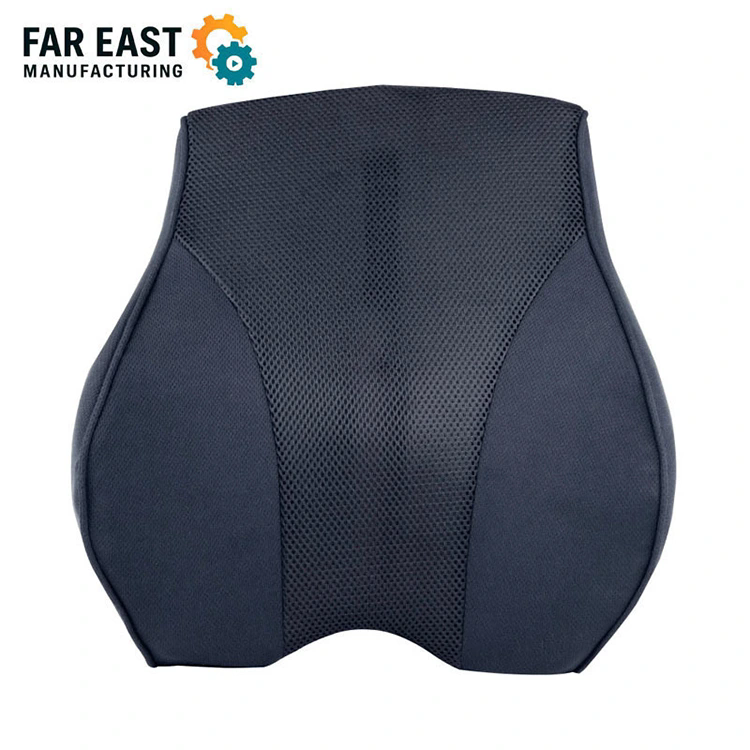
Table of Contents
- Understanding Ergonomic Cushions
- Common Comfort and Posture Challenges
- How Ergonomic Cushions Address These Challenges
- Key Design Features to Consider
- Application Scenarios and Use Cases
- Material Comparison Overview
- How to Select the Right Ergonomic Cushion
- Frequently Asked Questions
- Conclusion and Next Steps
Understanding Ergonomic Cushions
Ergonomic Cushions are support products engineered to align the human body with its natural posture during prolonged sitting or reclining. Unlike conventional cushions, these products are designed using anatomical data to support pressure-sensitive areas such as the lumbar spine, coccyx, hips, and thighs.
They are widely used in office chairs, wheelchairs, car seats, sofas, and medical seating systems. The primary objective is to distribute body weight evenly, reduce localized pressure, and maintain spinal alignment over extended periods.
Common Comfort and Posture Challenges
Modern lifestyles often require extended sitting, which can result in multiple physical discomforts. Without proper support, users may experience:
- Lower back pain caused by poor lumbar alignment
- Hip and tailbone pressure from hard or flat seating surfaces
- Muscle fatigue due to uneven weight distribution
- Reduced blood circulation in the lower body
- Postural imbalance leading to long-term spinal issues
These challenges affect office workers, drivers, elderly users, and individuals recovering from injuries, making proper seating support a practical necessity rather than a luxury.
How Ergonomic Cushions Address These Challenges
Ergonomic Cushions are structured to work with the body rather than against it. Their contoured designs follow natural body curves, providing targeted support where it is needed most.
By stabilizing the pelvis and supporting the lumbar region, ergonomic cushions help maintain a neutral spine position. This reduces muscular strain and prevents slouching, which is a leading cause of discomfort during long sitting sessions.
Pressure-relief zones and high-resilience materials further help minimize compression on sensitive areas, allowing users to sit longer with less fatigue.
Key Design Features to Consider
Not all ergonomic cushions offer the same performance. The following design elements play a critical role in comfort and durability:
- Contoured Shape: Supports natural body curves and improves posture stability
- High-Density Core: Prevents flattening and ensures long-term support
- Breathable Surface: Enhances airflow and reduces heat buildup
- Non-Slip Base: Keeps the cushion securely in place during use
- Removable Cover: Simplifies cleaning and maintenance
Application Scenarios and Use Cases
Ergonomic Cushions are adaptable across multiple environments. Their versatility makes them suitable for:
- Office seating for desk-based professionals
- Vehicle seats for long-distance drivers
- Home furniture such as sofas and dining chairs
- Wheelchairs and rehabilitation seating
- Public seating areas requiring enhanced comfort
Manufacturers such as Far East focus on developing ergonomic cushions that meet diverse usage demands while maintaining consistent quality and performance standards.
Material Comparison Overview
| Material Type | Support Level | Durability | Comfort Characteristics |
|---|---|---|---|
| Memory Foam | High | Moderate | Contours to body shape, pressure relief |
| High-Resilience Foam | Medium to High | High | Firm support, maintains shape over time |
| Gel-Infused Foam | Medium | Moderate | Cooling effect, enhanced comfort |
How to Select the Right Ergonomic Cushion
Choosing the appropriate ergonomic cushion depends on individual needs and usage conditions. Key considerations include:
- Primary use environment such as office, vehicle, or home
- Preferred firmness level for adequate support
- Body weight and seating duration
- Specific pain points such as lower back or tailbone discomfort
Reviewing product specifications, testing firmness levels, and evaluating long-term durability can significantly improve satisfaction after purchase.
Frequently Asked Questions
Are Ergonomic Cushions suitable for all chair types?
Most ergonomic cushions are designed to fit standard office chairs, car seats, and home seating. Size and thickness should be checked for optimal compatibility.
How long does an ergonomic cushion maintain its shape?
Durability depends on material quality and usage frequency. High-density foam models generally retain their shape longer under daily use.
Can ergonomic cushions help with long-term posture improvement?
When used consistently, ergonomic cushions support proper alignment and can reduce habits that contribute to poor posture over time.
Conclusion and Next Steps
Ergonomic Cushions play a vital role in improving comfort, posture, and seating efficiency across multiple environments. By addressing pressure distribution and spinal alignment, they offer practical solutions to common discomfort challenges faced in modern daily life.
If you are seeking reliable, well-engineered ergonomic cushion solutions developed with manufacturing expertise and application flexibility, Far East provides options designed to meet diverse market needs. To explore tailored solutions or discuss specific requirements, contact us today and discover how ergonomic cushioning can elevate everyday comfort.