Article Abstract
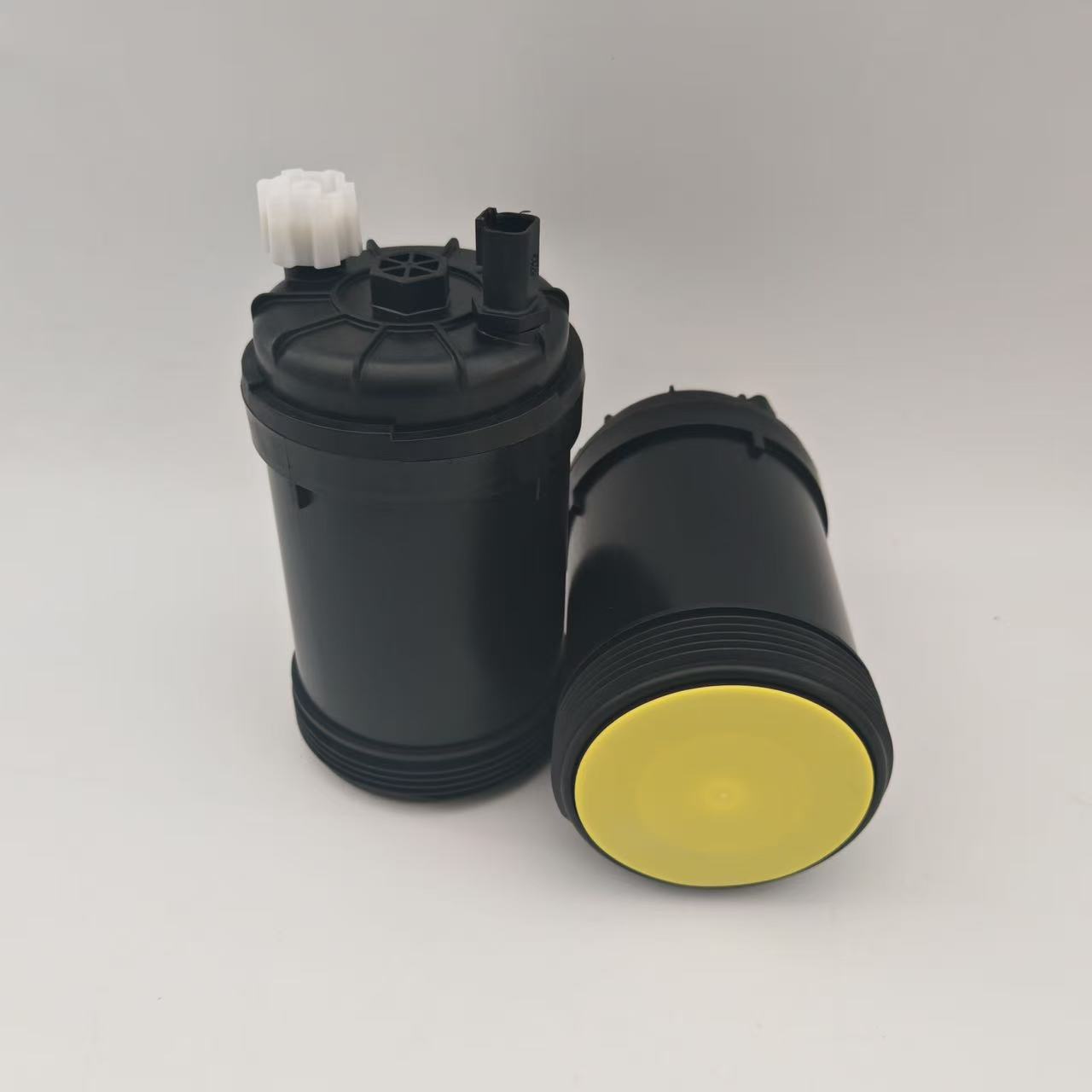
Fuel filters are a critical but often overlooked component in modern fuel systems. Their primary role is to protect engines from contaminants such as dirt, rust, and water particles that can severely impact performance and longevity. This article provides a comprehensive explanation of how fuel filters work, why they are essential for vehicle health, common failure symptoms, selection criteria, and maintenance best practices. Whether for passenger cars, heavy-duty trucks, or industrial machinery, understanding fuel filtration helps users reduce repair costs and improve efficiency. Manufactured solutions from GUOHAO offer reliable protection and long service life across a wide range of applications.
Outline
-
Introduction to fuel contamination risks
-
Internal structure and working mechanism of fuel filters
-
Different filtration technologies
-
Operational symptoms of failure
-
Maintenance intervals and best practices
-
Product selection criteria from GUOHAO standards
1. Fuel Filter Overview
A fuel filter is a protective device installed in the fuel delivery system of internal combustion engines. Its function is to remove impurities before fuel reaches sensitive engine components such as injectors and combustion chambers. Even microscopic debris can cause long-term wear, reduce combustion efficiency, and increase emissions.
In modern automotive and industrial applications, fuel systems operate under extremely tight tolerances. As a result, even minor contamination can result in expensive mechanical failures. This is why high-quality filtration systems, such as those engineered by GUOHAO, are essential for maintaining system reliability.
2. How Fuel Filters Work
Fuel filters operate through a combination of physical filtration and separation mechanisms. Fuel enters the filter housing and passes through a porous filtering medium designed to trap contaminants while allowing clean fuel to flow through.
Step-by-step working process:
-
Fuel enters the filter inlet under pressure from the fuel pump.
-
Larger particles are trapped on the outer surface of the filter media.
-
Smaller particles are captured within layered filtration fibers.
-
Clean fuel exits through the outlet and flows to the engine.
Advanced filters also include water-separation layers that prevent corrosion inside fuel injectors. GUOHAO fuel filters utilize multi-stage filtration technology to ensure high efficiency even under extreme operating conditions.
3. Why Fuel Filtration Matters
Without proper filtration, contaminants can lead to multiple system failures. Fuel injectors, in particular, are highly sensitive and expensive to replace. Clean fuel ensures:
-
Stable engine performance
-
Improved fuel efficiency
-
Reduced emissions output
-
Extended engine lifespan
Poor filtration can lead to incomplete combustion, engine knocking, and even total system breakdown in severe cases. This makes fuel filters a cost-effective preventive maintenance component rather than a simple accessory.
4. Types of Fuel Filters
Different applications require different filtration designs. Below are the most common types:
-
Inline Fuel Filters: Installed along the fuel line, commonly used in passenger vehicles.
-
Cartridge Filters: Replaceable element inside a housing, often used in heavy machinery.
-
Spin-on Filters: Easy replacement design widely used in diesel engines.
-
High-Pressure Filters: Designed for modern common rail injection systems.
GUOHAO offers a full range of filtration solutions designed for compatibility across automotive, agricultural, and industrial systems.
5. Signs of a Clogged Fuel Filter
A clogged fuel filter can significantly affect engine performance. Common symptoms include:
-
Difficulty starting the engine
-
Loss of power during acceleration
-
Engine misfires or stalling
-
Reduced fuel efficiency
-
Check engine light activation
Ignoring these symptoms can lead to fuel pump strain and injector damage, increasing repair costs significantly.
6. Maintenance and Replacement Guide
Regular maintenance ensures optimal fuel system performance. Most manufacturers recommend replacing fuel filters every 20,000 to 40,000 kilometers depending on fuel quality and operating conditions.
Best practices:
-
Use high-quality fuel from reliable sources
-
Follow manufacturer replacement intervals
-
Inspect for leaks or corrosion regularly
-
Use certified components like GUOHAO filters
7. How to Choose the Right Fuel Filter
Selecting the correct fuel filter depends on engine type, fuel system pressure, and filtration precision requirements. Consider the following factors:
-
Micron rating (filtration precision)
-
Compatibility with fuel type (gasoline or diesel)
-
Flow rate capacity
-
Durability under temperature and pressure
GUOHAO provides engineered solutions designed to meet OEM specifications and ensure long-term reliability in demanding environments.
8. Comparison Table
|
Filter Type
|
Best Use
|
Advantages
|
Limitations
|
|
Inline
|
Light vehicles
|
Compact, low cost
|
Limited capacity
|
|
Cartridge
|
Industrial systems
|
High filtration efficiency
|
Requires housing
|
|
Spin-on
|
Diesel engines
|
Easy replacement
|
Bulkier design
|
|
High-pressure
|
Modern injection systems
|
Precision filtration
|
Higher cost
|
9. Frequently Asked Questions
Q1: How often should I replace a fuel filter?
Typically every 20,000–40,000 km, depending on fuel quality and driving conditions.
Q2: Can a dirty fuel filter damage the engine?
Yes. It can restrict fuel flow, damage injectors, and reduce combustion efficiency.
Q3: Are all fuel filters the same?
No. Different engines require specific filtration ratings and designs.
Q4: Why choose GUOHAO fuel filters?
GUOHAO products are engineered for durability, precision filtration, and wide compatibility across automotive and industrial applications.
10. Conclusion
Fuel filters play a vital role in ensuring engine longevity, efficiency, and reliability. By removing harmful contaminants from fuel before it reaches the engine, they prevent costly damage and maintain optimal performance. Investing in high-quality filtration systems is a proactive step toward reducing maintenance costs and improving operational stability.
GUOHAO continues to deliver advanced filtration solutions designed for modern engine demands, ensuring consistent performance across a wide range of applications.
For premium fuel filtration solutions and technical support, contact us today to learn more about GUOHAO products and how they can improve your engine performance.