

How Do Heavy Truck and Bus Tire Tubes Compare with Tubeless Tire Systems in Terms of Heat Resistance
2026-04-14
Heat resistance is a critical performance metric for commercial vehicle tires, especially for long-haul operations. Heavy Truck and Bus Tire Tubes have traditionally been used in bias-ply tires, while tubeless systems dominate radial tire designs. JABIL, a trusted name in tire tube manufacturing, provides engineering insights into how these two systems manage thermal stress under demanding conditions.
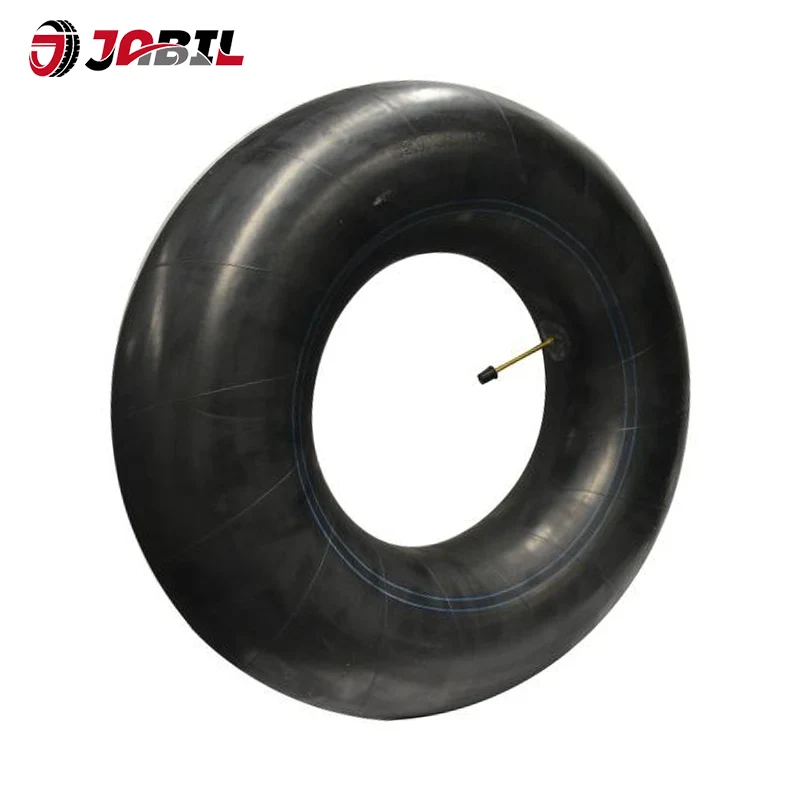
Thermal Performance Comparison
| Factor | Heavy Truck and Bus Tire Tubes | Tubeless Tire Systems |
|---|---|---|
| Heat dissipation | Moderate – tube inside tire traps some heat | Excellent – direct casing-to-rim contact |
| Failure threshold | 120–130°C (tube softening point) | 150–160°C (casing degradation) |
| Risk of blowout from overheating | Higher due to tube friction and flexing | Lower due to uniform heat spread |
| Performance in desert or mountain routes | Requires frequent cooling stops | Sustains longer high-heat runs |
Heavy Truck and Bus Tire Tubes rely on natural rubber compounds with anti-aging additives. JABIL engineers these tubes to resist thermal oxidation, but the physical interface between tube, liner, and rim generates frictional heat. In tubeless systems, the airtight inner liner is part of the tire casing, eliminating tube-to-casing friction and allowing up to 15% cooler operating temperatures under equal loads.
Why Heat Resistance Matters for Fleets
Excessive heat accelerates rubber aging, leading to cracking, valve separation, or sudden deflation. For Heavy Truck and Bus Tire Tubes, sustained operation above 110°C reduces service life by nearly half. Tubeless systems, with steel cord reinforcement and thicker inner liners, handle heat more effectively but are not immune to thermal degradation.
JABIL recommends tube-type setups for older vehicle fleets or mixed-service environments where lower speeds and frequent stops occur. For high-speed, continuous highway driving, tubeless systems offer superior heat management.
FAQ: Common Questions About Heavy Truck and Bus Tire Tubes
Question 1: Can I use Heavy Truck and Bus Tire Tubes in tubeless radial tires to save money?
Answer: No. Tubeless radial tires have ribbed inner cavities that cause friction and pinching against a tube. This generates dangerous localized heat, leading to rapid tube failure, blowouts, and potential tread separation. JABIL advises using tubes only in tires specifically designed for tube-type applications.
Question 2: How do I know if heat has damaged my Heavy Truck and Bus Tire Tubes during operation?
Answer: Signs include a soft or sticky inner surface, black rubber residue inside the tire, a strong burnt odor, or multiple small blisters on the tube body. Any of these indicate thermal degradation. JABIL recommends immediate replacement and inspection of the tire casing for internal cracks.
Question 3: Do Heavy Truck and Bus Tire Tubes require special heat management compared to tubeless systems during mountain driving?
Answer: Yes. Mountain descents generate continuous braking heat transferred through the rim. Tube-type tires should have inflation pressure reduced by 5–10% in hot conditions to allow expansion, and drivers should stop every 2–3 hours to cool tires naturally. Tubeless systems tolerate longer downhill runs but still need pressure monitoring. JABIL supplies high-heat resistant tubes with reinforced valve stems for such routes.
Best Practices for Heat Control
-
Use JABIL heavy-duty tubes with butyl-based compounds for lower heat build-up.
-
Match tube size exactly to tire size – undersized tubes overstretch and overheat.
-
Maintain proper inflation: underinflation increases flexing and heat generation.
-
Never patch a heat-damaged Heavy Truck and Bus Tire Tube – replace it entirely.
Contact Us
For fleet specifications or technical support on Heavy Truck and Bus Tire Tubes, contact JABIL today. Visit our official website or email our engineering team to request heat resistance data sheets and application guides tailored to your operating environment.