

How Do Trailer Axle Brake Drum Spare Parts Improve Durability, Safety, and Future Trailer Performance?
2025-12-09
Trailer axle brake drum spare parts play a decisive role in ensuring road safety, stable braking performance, and long-term durability for commercial trailers, agricultural transporters, freight carriers, and semi-trailers. High-quality brake drum components determine how consistently a trailer can stop, how evenly braking force is distributed across the axle, and how well a trailer performs under heavy load, high-temperature operation, or long-distance haulage.
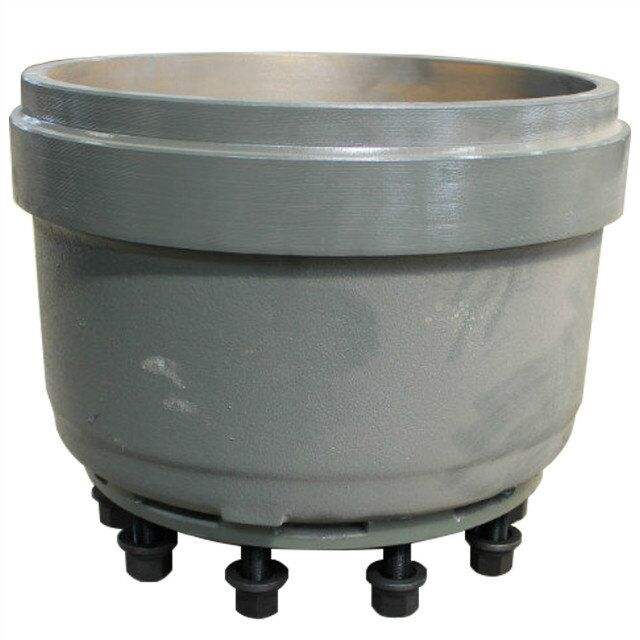
To demonstrate product capability, the following professional-grade parameter overview outlines the typical technical specifications required in the global trailer parts market.
Key Technical Parameters of Trailer Axle Brake Drum Spare Parts
| Specification Category | Technical Details |
|---|---|
| Material Composition | High-carbon gray iron, ductile iron, or alloyed cast iron for heat resistance |
| Manufacturing Method | Precision casting, CNC machining, dynamic balancing |
| Standard Diameters | 12”, 12¼”, 13”, 16.5”, 17.5” depending on axle capacity |
| Thickness Range | 10–30 mm depending on braking load |
| Axle Compatibility | 5,200–15,000 lbs axles, multi-axle configurations |
| Bolt Pattern | 6-bolt, 8-bolt, or 10-bolt American/European patterns |
| Heat Dissipation Design | Finned cooling ribs, thermal dispersion vents |
| Surface Finish | Lathe-cut braking surface, rust-preventive coating |
| Maximum Operating Temperature | 500–650°C thermal endurance |
| Application Types | Semi-trailer, cargo trailer, agricultural trailer, utility trailer |
How Do Brake Drum Spare Parts Influence Trailer Safety and Mechanical Performance?
Brake drums convert kinetic energy into heat through friction, making them central to the braking mechanism. The performance of spare parts—including the drum, hub, studs, and friction interface—directly determines how reliably a trailer can maintain stopping power under stress.
1. Structural Strength and Load Endurance
High-density cast iron and alloyed materials prevent cracking during extreme deceleration. The structural engineering of a brake drum must accommodate:
-
High rotational forces
-
Heavy cargo loads
-
Repetitive braking cycles
-
Long-distance thermal buildup
Weak materials increase the risk of drum deformation, hot spotting, or catastrophic brake fade.
2. Heat Dissipation and Thermal Stability
Heat is a silent threat in braking systems. Precision-designed cooling ribs and balanced drum geometry help maintain stable operation above 500°C. This prevents:
-
Brake lining glazing
-
Uneven friction surface wear
-
Reduction in braking responsiveness
-
Thermal cracks
A drum with optimized ventilation ensures that braking torque remains consistent, especially on steep roads or long hauls.
3. Precision Machining for Smooth Braking
CNC machining ensures perfect roundness, uniform thickness, and smooth internal surfaces. These qualities reduce vibration, noise, and uneven wear. Proper machining also ensures balanced contact between the brake shoe and drum, minimizing maintenance requirements.
4. Compatibility Across Trailer Models
Correct bolt patterns, hub compatibility, and size matching ensure seamless installation. Universal or standardized designs increase flexibility for trailer manufacturers and repair shops.
How Do Trailer Brake Drum Components Compare to Alternative Braking Systems?
Brake drums remain dominant in the trailer industry because of their durability, cost-efficiency, and simplicity. Comparing brake drums with disc brakes highlights key differences that influence purchasing decisions.
1. Drum Brakes vs. Disc Brakes: Which Is More Suitable for Heavy Trailers?
Durability Under Load
-
Brake Drums: Excellent for heavy, slow-moving loads such as agricultural or freight trailers. Their enclosed design shields components from dust and mud.
-
Disc Brakes: Offer faster response but can wear faster in dirty road environments.
Maintenance Requirements
-
Brake Drums: Longer lifespan, lower service cost, and robust structure.
-
Disc Brakes: Require more frequent inspection and pad replacement.
Thermal Management
-
Brake Drums: Higher thermal mass but slower cooling.
-
Disc Brakes: Superior airflow cooling but less protected.
Cost and Accessibility
-
Brake Drums: More affordable and widely compatible across axle brands.
-
Disc Brakes: Higher upfront cost and part complexity.
Summary Comparison
Brake drum spare parts provide strong advantages in durability, cost control, and reliability in harsh environments, making them the preferred option in most trailer industries worldwide.
How Will Trailer Brake Drum Spare Parts Develop in the Future?
The trailer industry is shifting toward enhanced safety, automated braking support, and environmentally friendly materials. Brake drum spare parts are evolving to meet these new demands.
1. Advanced Casting Materials
Future brake drums are expected to adopt:
-
High-strength alloyed iron
-
Composite hybrid metals
-
Improved thermal-resistant coatings
These innovations help reduce weight while increasing braking efficiency.
2. Smart Wear-Monitoring Systems
Integrated sensors that monitor:
-
Drum temperature
-
Lining wear
-
Structural integrity
-
Brake imbalance
This supports predictive maintenance and enhances fleet safety management.
3. Enhanced Heat Dissipation Architecture
Next-generation brake drums will include redesigned cooling fins, optimized air channels, and more aerodynamic shapes to reduce heat retention.
4. Eco-Friendly Production Processes
Manufacturers are adopting eco-friendly casting, lower-emission machining, and recyclable materials to support global sustainability goals.
5. Modular Trailer Brake Systems
Future trailers may use modular components that allow quick replacement of braking units, improving fleet turnaround time and reducing labor cost.
How to Choose the Best Brake Drum Spare Parts for Trailer Axles?
Selecting the right brake drum dramatically affects maintenance cost, safety reliability, and long-term trailer performance. Key considerations include:
1. Matching Drum Size and Axle Rating
Ensure compatibility with axle load rating—common ranges include 5,200 lbs, 7,000 lbs, and 10,000+ lbs axles.
2. Material and Structural Design
Choose drums made of high-carbon iron or ductile iron to ensure structural stability under high temperatures.
3. Bolt Pattern Accuracy
Matching lug spacing prevents installation difficulties and wheel vibration.
4. Balanced Machining Quality
Look for:
-
Polished interior surfaces
-
Symmetrical construction
-
Vibration-reducing geometry
-
Accurate thickness tolerances
5. Anti-Corrosion Treatment
A rust-proof coating prolongs lifespan, especially in humid or winter road environments.
6. Supplier Reliability
Reliable manufacturers offer testing reports, stable supply, customized specifications, and professional after-sales support.
Common Questions About Trailer Axle Brake Drum Spare Parts
Q1: How often should trailer brake drums be inspected or replaced?
A1: Inspection is recommended every 10,000–15,000 miles or at least twice a year. Replacement is necessary if cracks, deep scoring, excessive heat spots, or out-of-round shapes appear. High-usage commercial trailers may require more frequent checks due to heavier load cycles and long-distance travel.
Q2: What symptoms indicate that a brake drum needs servicing?
A2: Warning signs include vibration during braking, burning smells, reduced stopping power, dragging wheels, or visible drum discoloration. These conditions suggest heat saturation or uneven internal friction surfaces, which can compromise the braking system if not addressed promptly.
How Do Quality Brake Drum Spare Parts Strengthen Trailer Performance?
High-quality trailer axle brake drum spare parts are essential for ensuring braking stability, load durability, and long-term safety in all forms of trailer operation. Their structural strength, thermal endurance, and precise engineering allow trailers to function efficiently even under demanding hauling conditions. With future innovations in material science, thermal management, and digital wear monitoring, brake drum components will continue to play a crucial role in advancing trailer safety and performance.
Fumin provides professional-grade brake drum spare parts designed for global trailer applications, with strict manufacturing standards, advanced casting processes, and precise quality control. For reliable supply, customized specifications, and technical support, contact us to learn more about high-performance trailer axle brake drum solutions tailored to your requirements.