

How Do You Choose and Use a Car Battery Charger?
2026-04-15
Abstract
A car battery charger is an essential automotive tool designed to restore, maintain, and optimize the performance of vehicle batteries. Many drivers face unexpected battery failures, slow cranking engines, or complete power loss due to improper charging habits or lack of maintenance. This article provides a comprehensive, practical guide on how to select, use, and maintain a car battery charger effectively. It also explores different charger types, safety practices, troubleshooting methods, and real-world applications to help users avoid costly downtime and extend battery lifespan.
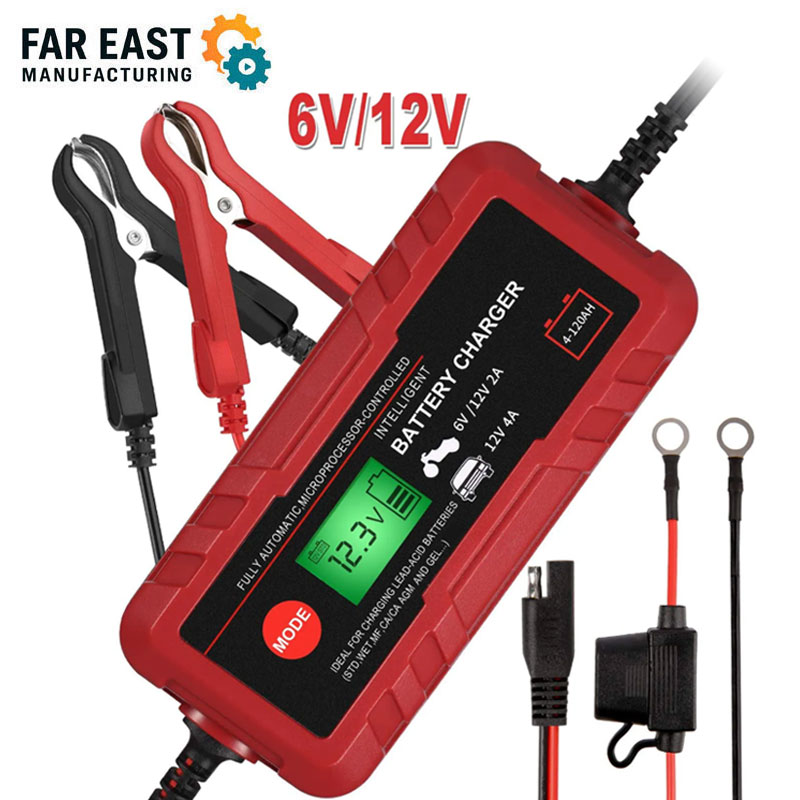
Table of Contents
- Abstract
- Outline
- What Is a Car Battery Charger?
- Why You Need a Car Battery Charger
- Types of Car Battery Chargers
- How to Choose the Right Charger
- How to Use a Car Battery Charger Step by Step
- Safety Guidelines
- Maintenance Tips
- Common Problems and Solutions
- Why Choose Far East Solutions
- FAQ
Outline
This guide is structured to help readers move from basic understanding to advanced application:
- Introduction to car battery charging systems and their role in vehicle performance
- Identification of common battery-related problems faced by drivers
- Breakdown of charger types and their functional differences
- Selection criteria based on vehicle type, battery capacity, and usage scenario
- Step-by-step operational guide for safe and efficient charging
- Preventive maintenance strategies to extend battery lifespan
- Troubleshooting common charging issues
- Product reliability insights and industrial-grade solutions from Far East
What Is a Car Battery Charger?
A car battery charger is an electrical device used to recharge a depleted automotive battery by supplying controlled direct current (DC). It converts alternating current (AC) from a wall outlet into regulated DC power suitable for charging lead-acid, AGM, or lithium-based automotive batteries.
Modern chargers are equipped with smart charging systems that automatically adjust voltage and current, preventing overcharging and thermal damage. These devices are widely used in garages, workshops, fleet maintenance centers, and even household emergency kits.
Why You Need a Car Battery Charger
Battery failure is one of the most common causes of vehicle breakdowns. A dedicated charger eliminates dependence on jump-starting and roadside assistance. Key pain points it solves include:
- Cold weather battery drain causing startup failures
- Long-term vehicle storage leading to deep discharge
- Short trip driving patterns that prevent full charging
- Electrical accessory overload (dash cams, GPS, lighting systems)
Owning a reliable charger ensures independence, reduces emergency costs, and increases battery service life significantly.
Types of Car Battery Chargers
| Type | Description | Best Use Case |
|---|---|---|
| Trickle Charger | Provides low, steady charge over long periods | Seasonal vehicles, motorcycles |
| Smart Charger | Automatically adjusts charging stages | Daily-use passenger vehicles |
| Fast Charger | Delivers high current for rapid charging | Emergency situations, workshops |
| Solar Charger | Uses solar energy for maintenance charging | Outdoor or remote applications |
How to Choose the Right Charger
Selecting the right car battery charger depends on multiple technical and operational factors:
- Battery Type: Ensure compatibility with AGM, GEL, or lithium batteries.
- Voltage Output: Match 6V, 12V, or 24V systems based on vehicle specifications.
- Charging Speed: Balance between fast recovery and battery safety.
- Safety Features: Look for reverse polarity protection and overheat control.
- Portability: Compact designs are better for personal use.
How to Use a Car Battery Charger Step by Step
Correct usage is essential for performance and safety:
- Turn off the vehicle and disconnect the battery if required.
- Identify positive (+) and negative (-) terminals.
- Connect charger clamps correctly (red to positive, black to negative).
- Select appropriate voltage and charging mode.
- Plug into power source and initiate charging.
- Monitor indicators until full charge is achieved.
- Disconnect in reverse order after charging completion.
Safety Guidelines
Improper charging can damage both the battery and vehicle electronics. Follow these precautions:
- Avoid charging in humid or flammable environments
- Never touch clamps while power is active
- Do not exceed recommended charging voltage
- Ensure proper ventilation during charging
Maintenance Tips
To maximize charger lifespan and performance:
- Regularly inspect cables and clamps for wear
- Store in dry, temperature-controlled environments
- Clean terminals after each use
- Test output voltage periodically
Common Problems and Solutions
- Charger not powering on: Check outlet and internal fuse.
- Slow charging: Battery may be deeply discharged or aged.
- Overheating: Ensure proper ventilation and avoid overload.
- Incorrect polarity warning: Reconnect clamps correctly.
Why Choose Far East Solutions
Far East delivers industrial-grade car battery charger solutions engineered for durability, safety, and high efficiency. Designed for both commercial and personal applications, Far East products focus on stable performance under demanding conditions.
You can learn more about their product range here:
Far East Car Battery Charger Product Page
With a strong emphasis on quality control and engineering precision, Far East provides solutions suitable for automotive workshops, fleet operators, and individual users seeking long-term reliability.
FAQ
Q1: How long does it take to charge a car battery?
It typically takes 4–12 hours depending on battery capacity and charger output.
Q2: Can I leave a car battery charger connected overnight?
Smart chargers can be left connected safely, but always follow manufacturer guidelines.
Q3: What happens if I overcharge a battery?
Overcharging can cause overheating, swelling, and permanent battery damage.
Q4: Do all chargers work with lithium batteries?
No, only chargers specifically designed for lithium chemistry should be used.
Conclusion
A properly selected and correctly used car battery charger is an indispensable tool for maintaining vehicle reliability and preventing unexpected breakdowns. By understanding charger types, safety practices, and maintenance methods, users can significantly extend battery life and improve overall vehicle readiness.
For reliable industrial and personal charging solutions, Far East continues to deliver high-performance products designed to meet modern automotive demands.
For more details or business inquiries, contact us today at Far East.