

How Does a Car Battery Charger Protect and Restore Vehicle Power?
2026-03-04
Article Summary
A car battery charger is an essential tool for maintaining vehicle reliability, preventing unexpected breakdowns, and extending battery lifespan. This comprehensive guide explains how a car battery charger works, how to select the right charger for different vehicles and battery types, and how to avoid common charging mistakes. By understanding charging principles, safety considerations, and performance factors, users can ensure stable vehicle power and reduce long-term maintenance costs.
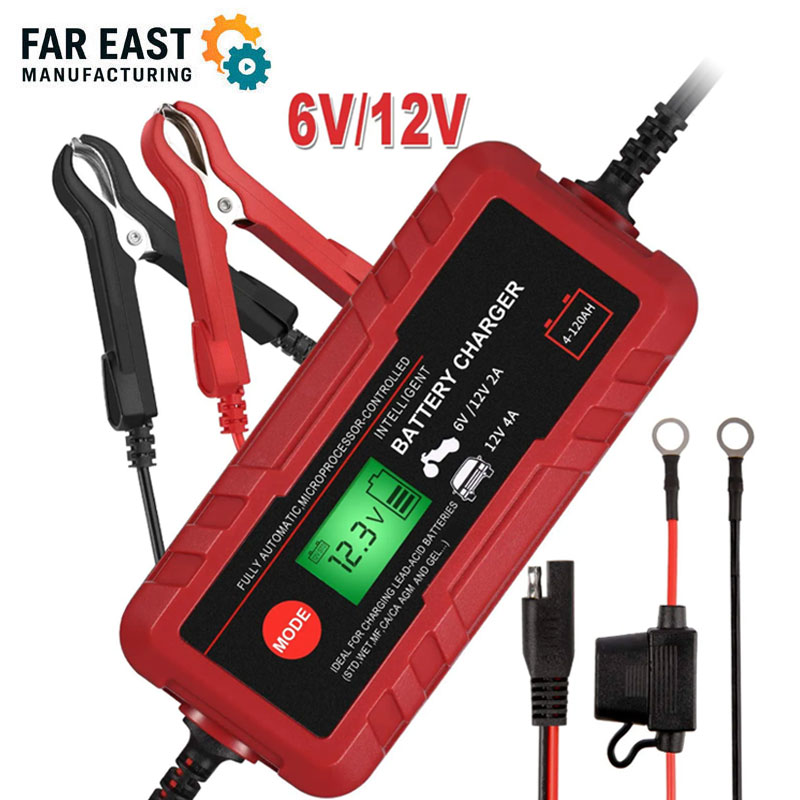
Table of Contents
- Car Battery Charger Overview
- Key Customer Pain Points
- How a Car Battery Charger Works
- Main Types of Car Battery Chargers
- How to Choose the Right Car Battery Charger
- Car Battery Charger Comparison Table
- Safety and Usage Guidelines
- Typical Application Scenarios
- Frequently Asked Questions
- Conclusion and Contact Us
Car Battery Charger Overview
A car battery charger is designed to restore electrical energy to a vehicle battery by delivering controlled voltage and current. Unlike jump starters, which provide a temporary boost, a charger replenishes the battery gradually, helping maintain proper capacity and performance over time.
Modern vehicles rely heavily on electronic systems, making battery stability more critical than ever. A properly selected car battery charger ensures consistent charging, minimizes sulfation, and supports long-term battery health. Far East focuses on engineering chargers that balance efficiency, protection, and ease of use for a wide range of vehicles.
Key Customer Pain Points
Vehicle owners and fleet operators often experience recurring issues related to battery charging. These problems typically stem from incorrect charger selection or improper usage.
- Battery failure after extended parking periods
- Overcharging leading to reduced battery lifespan
- Incompatibility with different battery chemistries
- Slow charging times affecting vehicle availability
- Safety concerns such as overheating or short circuits
Addressing these pain points requires a clear understanding of charger specifications, battery requirements, and charging environments.
How a Car Battery Charger Works
A car battery charger converts AC power into regulated DC output suitable for charging vehicle batteries. The charging process typically follows multiple stages to ensure efficiency and safety.
- Initial Assessment – Charger detects battery voltage and condition
- Bulk Charging – High current restores most of the battery capacity
- Absorption Phase – Voltage is stabilized to prevent overheating
- Maintenance Mode – Charger maintains full charge without damage
This staged approach helps protect the battery while ensuring reliable energy recovery.
Main Types of Car Battery Chargers
Car battery chargers are available in several configurations, each designed for specific use cases.
- Manual Chargers – Require user monitoring and control
- Automatic Chargers – Adjust charging parameters automatically
- Smart Chargers – Feature microprocessor-controlled charging profiles
- Trickle Chargers – Maintain battery charge during long storage
- Fast Chargers – Reduce downtime for commercial or emergency use
How to Choose the Right Car Battery Charger
Selecting the correct car battery charger depends on both vehicle requirements and operating conditions. A structured selection process minimizes risk and improves efficiency.
- Battery type (lead-acid, AGM, gel)
- Battery capacity and voltage rating
- Charging speed requirements
- Indoor or outdoor usage environment
- Built-in safety and protection features
Far East provides a range of car battery charger models designed to meet diverse charging needs while ensuring stable and safe operation.
Car Battery Charger Comparison Table
| Charger Type | Best For | Key Benefits | Typical Users |
|---|---|---|---|
| Manual Charger | Basic charging tasks | Low cost, simple design | Experienced users |
| Automatic Charger | Everyday vehicle charging | Reduced risk of overcharging | Personal vehicle owners |
| Smart Charger | Modern vehicles | Optimized charging profiles | Professional workshops |
| Trickle Charger | Long-term storage | Battery maintenance | Seasonal vehicle users |
Safety and Usage Guidelines
Proper usage of a car battery charger is essential for both user safety and battery protection. Following best practices helps prevent accidents and equipment damage.
- Always verify voltage compatibility before charging
- Ensure proper ventilation during charging
- Avoid charging damaged or frozen batteries
- Disconnect the charger before starting the vehicle
- Follow manufacturer instructions carefully
Typical Application Scenarios
Car battery chargers are widely used across different industries and vehicle types.
- Passenger vehicles and SUVs
- Commercial fleets and logistics vehicles
- Workshops and service centers
- Agricultural and utility vehicles
- Emergency and backup power systems
Frequently Asked Questions
How often should a car battery charger be used?
Usage depends on driving frequency and storage conditions. Vehicles parked for long periods benefit from regular maintenance charging.
Can a car battery charger damage the battery?
Improper chargers or incorrect settings may cause damage. Using a suitable charger with protection features reduces this risk.
Is a smart charger necessary for modern vehicles?
Smart chargers are recommended due to advanced vehicle electronics and sensitive battery systems.
How long does it take to fully charge a car battery?
Charging time varies based on battery capacity, charger output, and battery condition.
Conclusion and Contact Us
A car battery charger is more than a convenience tool—it is a critical component for vehicle reliability and battery longevity. By understanding charger types, operating principles, and safety practices, users can avoid unexpected failures and reduce maintenance costs. Selecting a high-quality charger ensures consistent performance across different driving conditions.
Far East is dedicated to manufacturing reliable car battery charger solutions designed for durability, safety, and performance. If you are evaluating charging options or need professional support for your vehicle or fleet, contact us today to learn how Far East can help keep your power systems running efficiently.