

Summary: The intake pipe in a Mercedes-Benz car plays a crucial role in delivering clean, optimized air to the engine. This article explains its function, common issues, performance impact, maintenance, replacement options, and buyer guidance to help drivers make informed decisions when upgrading or replacing this essential component.
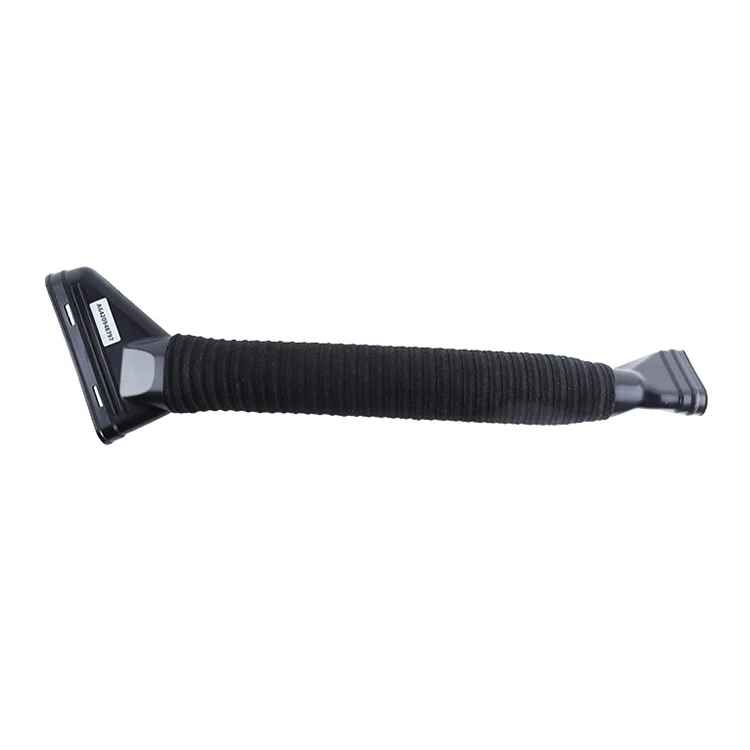
Table of Contents
Introduction
The intake pipe is a component often overlooked by many Mercedes-Benz owners, yet it significantly influences how your engine breathes and performs. If you've experienced reduced power, poor acceleration, or check engine lights related to airflow, understanding what the intake pipe does and how it affects your engine is essential. This guide will break down core facts, address common misconceptions, and help you decide the best course of action for maintenance or upgrades.
What Is a Car Intake Pipe?
An intake pipe is the conduit that channels air from the outside environment through filters and sensors into the engine’s combustion chambers. In Mercedes-Benz vehicles, intake pipes are engineered with precision to balance airflow, minimize turbulence, and support emission controls.
Key components in the intake system include:
- Air Filter Housing
- Mass Air Flow (MAF) Sensor
- Intake Manifold Connection
- Flexible Rubber Couplings
- Hard Plastic or Reinforced Pipe Sections
Why It Matters in Mercedes-Benz Engines
The intake system directly affects how much air the engine can inhale, which in turn influences combustion efficiency. Mercedes-Benz engines are calibrated with tight tolerances to balance performance, fuel economy, and emission standards. A properly functioning intake pipe ensures:
- Accurate Air Measurement for Fuel Injection
- Reduced Engine Stress at High RPM
- Better Throttle Response
- Lower Emissions
When air delivery is compromised, the engine control unit (ECU) may adjust parameters that lead to reduced performance and increased fuel consumption.
Common Problems with Intake Pipes
Even high-quality intake pipes can develop issues over time. The table below outlines frequent failure points and symptoms:
| Issue | Cause | Symptom |
|---|---|---|
| Cracks or Leaks | Aging rubber/plastic, heat cycles | Hissing noise, poor idle, check engine light |
| Clogged Air Filter Area | Debris accumulation | Reduced power, reduced fuel economy |
| MAF Sensor Contamination | Dirty air entering pipe | Misfires, rough running |
| Loose Connections | Improper installation, vibration | Airflow inconsistency |
Performance Impact Explained
The intake pipe influences performance in two primary ways:
- Airflow Efficiency: Smooth airflow without restriction allows the engine to draw more air, improving combustion and power output.
- Sensor Accuracy: Precise measurement from the MAF sensor ensures the correct fuel-air ratio, which is critical for performance and emissions.
However, it's important to recognize limits. Replacing an intake pipe with an aggressive aftermarket design may provide marginal gains, but only if the rest of the intake system, ECU calibrations, and engine tuning support it. For many Mercedes-Benz models, optimizing the entire intake path yields the best results.
Replacement & Upgrade Options
When choosing an intake pipe or upgrade, consider the following approaches:
- OEM Replacement: Direct-fit part made to original specifications. Best for reliability and emissions compliance.
- Aftermarket Performance Pipe: Often designed for improved airflow or durability. Choose reputable manufacturers with proven results.
- High-Flow Filters: Pairing a high-quality air filter with the right pipe enhances air delivery and protection.
Here’s a comparison to help you decide:
| Type | Cost | Performance | Longevity |
|---|---|---|---|
| OEM Pipe | Medium | Standard | High |
| Aftermarket High-Flow Pipe | Medium–High | Improved | Varies |
| Performance Kit (Pipe + Filter) | High | Best | Varies |
Installation & Care Tips
Whether you’re installing an OEM replacement or an upgraded pipe, follow these best practices:
- Inspect and replace air filters at recommended intervals.
- Ensure all clamps and couplings are tightened to spec.
- Avoid overtightening to prevent cracking plastic components.
- Clean MAF sensors with appropriate cleaner if disturbed during installation.
- Use torque specifications from manufacturer documentation.
Routine checks during service intervals reduce the risk of performance issues related to the intake system.
Frequently Asked Questions
- What happens if my intake pipe develops a leak?
- A leak allows unmetered air into the system, causing imbalance in fuel-air ratio, rough idle, and performance loss.
- Can I install an aftermarket intake pipe myself?
- Yes, if you have basic mechanical skills. Always follow torque specs and ensure cleanliness around sensors.
- How long should an intake pipe last?
- OEM intake pipes typically last 80,000–150,000 miles, depending on environment and driving conditions.
- Do performance intake pipes void warranty?
- Modifications might impact warranty coverage. Verify with your dealer before upgrading.
Conclusion
The intake pipe of your Mercedes-Benz is more than a simple tube; it’s an essential part of the engine’s breathing process. Proper airflow supports efficient combustion, responsive throttle behavior, and optimal fuel usage. By understanding common issues, replacement options, and installation best practices, you can make choices that enhance your driving experience.
For high-quality replacement parts, including Mercedes-Benz car intake pipes engineered for fit and performance, trust Haochi to deliver durable solutions that match or exceed expectations. Our parts are precision-built to integrate seamlessly with your vehicle’s systems.
Contact us today to learn more about our Mercedes-Benz intake pipes and get personalized support for your vehicle needs!