

How Does a Motorcycle Control Cable Improve Riding Precision?
2026-02-05
Article Summary
A motorcycle control cable plays a critical role in translating rider input into precise mechanical action. From throttle response to clutch engagement and braking control, the quality and design of control cables directly affect safety, comfort, and riding efficiency. This article explains how motorcycle control cables work, the common problems riders face, how to choose the right cable, and how proper maintenance can significantly extend service life. Practical insights, structured explanations, and clear comparisons are provided to help buyers and technicians make informed decisions.
Outline
- Understanding Motorcycle Control Cables
- Common Rider Pain Points Caused by Poor Cables
- How Motorcycle Control Cables Function
- Key Types of Motorcycle Control Cables
- Material Structure and Performance Factors
- How to Choose the Right Motorcycle Control Cable
- Maintenance Practices That Extend Cable Life
- Comparison Table: Standard vs. High-Performance Cables
- Frequently Asked Questions
- Conclusion and Contact Information
Understanding Motorcycle Control Cables
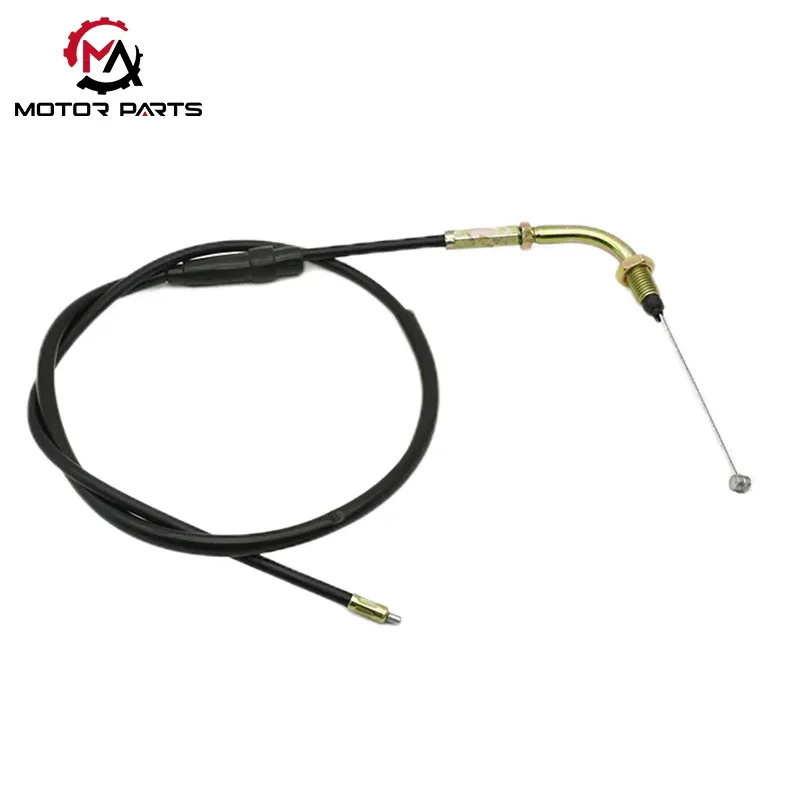
A motorcycle control cable is a mechanical transmission component designed to convert hand or foot movement into controlled mechanical action. These cables are commonly used in throttle systems, clutch systems, choke mechanisms, and sometimes braking systems. Unlike electronic controls, cables rely on tensile force and precise internal construction to deliver consistent feedback and responsiveness.
For riders, a well-designed control cable ensures smooth acceleration, predictable clutch engagement, and reduced hand fatigue. For manufacturers and distributors, durability, material consistency, and fitment accuracy are key performance indicators.
Common Rider Pain Points Caused by Poor Cables
Inferior or worn motorcycle control cables often lead to operational issues that compromise both safety and comfort. These problems are frequently overlooked until performance degrades noticeably.
- Stiff throttle or clutch response
- Delayed acceleration or incomplete disengagement
- Fraying or snapping during operation
- Increased hand fatigue on long rides
- Inconsistent control under varying temperatures
These issues highlight the importance of selecting cables manufactured with consistent tolerances and high-quality materials.
How Motorcycle Control Cables Function
Motorcycle control cables operate on a simple yet highly precise principle. An inner wire, usually made from stranded steel, moves inside an outer sheath when force is applied. The sheath provides protection, alignment, and resistance to environmental exposure, while the inner wire delivers motion.
The effectiveness of this system depends on internal lubrication, wire strand construction, and the friction coefficient between the inner wire and the liner. Small variations in these factors can result in significant performance differences.
Key Types of Motorcycle Control Cables
Different riding functions require different cable designs. Understanding these variations helps ensure proper replacement and application.
- Throttle Cable: Controls engine speed and responsiveness
- Clutch Cable: Manages power engagement between engine and transmission
- Choke Cable: Regulates air-fuel mixture during cold starts
- Brake Cable: Used in select drum brake systems
Material Structure and Performance Factors
Material selection directly impacts service life and riding feel. High-quality motorcycle control cables are engineered with multi-layer structures to balance strength and flexibility.
- Inner wire: high-tensile steel or stainless steel
- Liner: low-friction nylon or PTFE-based material
- Outer sheath: PVC or reinforced rubber for weather resistance
- End fittings: corrosion-resistant alloy or brass
Manufacturers like Max Trading focus on consistent material sourcing and controlled assembly processes to ensure reliable performance across different riding environments.
How to Choose the Right Motorcycle Control Cable
Selecting the correct motorcycle control cable requires more than matching length and connector type. Performance, durability, and riding conditions must also be considered.
- Verify exact model and year compatibility
- Check cable length and routing requirements
- Evaluate inner wire flexibility and smoothness
- Assess resistance to heat, moisture, and corrosion
- Choose suppliers with stable quality control standards
For professional buyers and workshops, sourcing from established suppliers such as Max Trading helps reduce installation issues and post-sale complaints.
Maintenance Practices That Extend Cable Life
Even the best motorcycle control cable requires routine care. Proper maintenance minimizes friction and prevents premature failure.
- Regular lubrication with cable-specific lubricants
- Inspection for fraying or kinks
- Proper routing to avoid sharp bends
- Periodic adjustment to maintain correct free play
Consistent maintenance not only improves riding feel but also reduces long-term replacement costs.
Comparison Table: Standard vs. High-Performance Cables
| Feature | Standard Cable | High-Performance Cable |
|---|---|---|
| Smoothness | Moderate | High |
| Friction Level | Higher | Low |
| Service Life | Average | Extended |
| Environmental Resistance | Basic | Enhanced |
Frequently Asked Questions
How often should a motorcycle control cable be replaced?
Replacement intervals depend on usage and environment. Regular riders should inspect cables annually and replace them when stiffness or visible wear appears.
Can lubrication solve a stiff control cable?
Lubrication can improve performance temporarily, but persistent stiffness often indicates internal wear or liner damage.
Are aftermarket control cables reliable?
Aftermarket cables from established suppliers can match or exceed original specifications when produced under strict quality standards.
Conclusion
A motorcycle control cable is a small component with a significant impact on overall riding performance and safety. Understanding how it works, recognizing early warning signs of failure, and selecting high-quality replacements are essential steps for riders and professionals alike. Companies such as Max Trading continue to support the industry by offering well-engineered control cable solutions that balance durability, precision, and cost-effectiveness.
For more information about motorcycle control cable options or to discuss sourcing solutions tailored to your requirements, contact us today and connect with a professional team ready to support your business needs.