

How Does a Motorcycle Fastener Ensure Secure Assembly Across Motorcycle Components?
2026-01-26
Article Summary
Motorcycle fasteners are small but critical elements in every motorcycle assembly. From frame to engine, fairings to brake systems, these connectors provide mechanical stability and operational reliability. This article explains various motorcycle fastener types, material considerations, installation best practices, and maintenance troubleshooting to help riders and technicians choose and use the right fasteners in the right way, ensuring safety and longevity of the motorcycle.
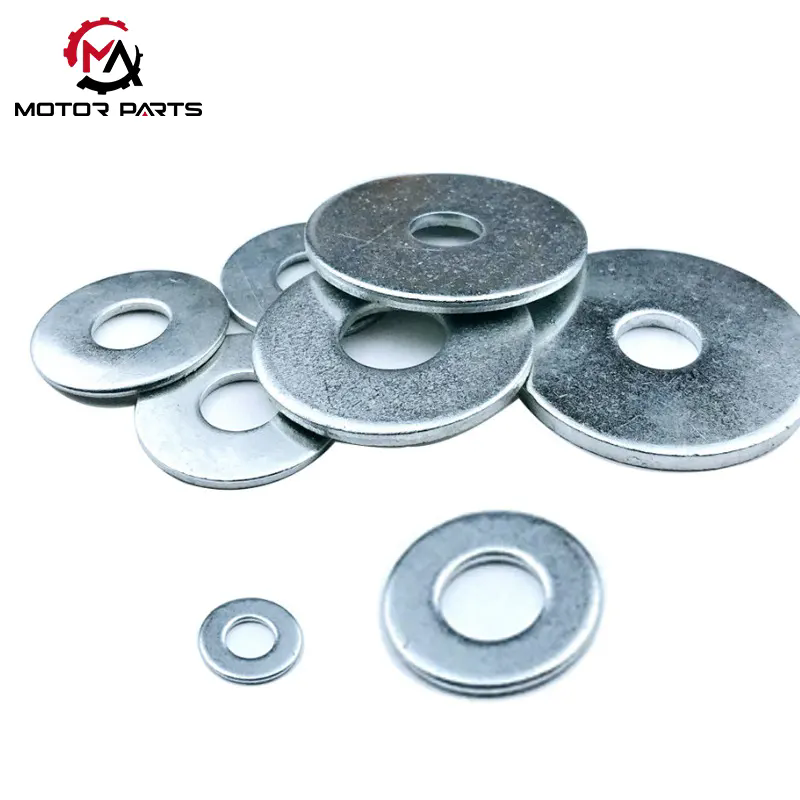
Table of Contents
1. Introduction to Motorcycle Fasteners
Motorcycle fasteners are the connective elements that hold together the structural and functional parts of a motorcycle, including the frame, engine, fairings, and accessories. Their quality, design, and correct application directly influence riding safety, vibration resistance, and long-term mechanical performance. On a motorcycle, fasteners can be categorized into bolts, nuts, screws, clips, washers, and specialty retainers, each serving a specific purpose in assembly and maintenance.
Reliable motorcycle fasteners reduce the risk of part loosening during high-speed travel, minimize wear under vibration, and ensure that maintenance tasks like component replacement or adjustment can be performed efficiently. Low-quality or improperly selected fasteners can lead to mechanical failures, excessive noise, or unsafe conditions.
2. Types of Motorcycle Fasteners
Different areas of a motorcycle require different fastener configurations. Typical fastener types include:
| Fastener Type | Typical Application |
|---|---|
| Bolt | Engine mounts, frame junctions, suspension connections |
| Nut | Securing bolts on structural joints |
| Screw | Fairings, body panels, electrical covers |
| Clip / Retainer | Plastic body trim and lightweight parts |
| Washer | Load distribution, vibration damping |
| Cotter / R-clip | Securing shaft pins and removable joints |
Each type has sub-variants defined by head shape (hex, flanged, socket), thread style (coarse, fine), and locking characteristics (nylon insert nut, prevailing torque nut). Motorcyclists and mechanics often refer to standardized sets for fairings and bodywork, such as multi-piece bolt and clip kits, to simplify installations or repairs. :contentReference[oaicite:0]{index=0}
3. Material and Performance Considerations
The material of a motorcycle fastener affects strength, corrosion resistance, and durability. Common materials include:
- Carbon Steel – Economical and strong, suitable for structural parts but requires protective coatings to resist corrosion.
- Stainless Steel – Offers excellent corrosion resistance and is ideal for exposed components such as exhaust clamps or handlebar brackets.
- Aluminum Alloys – Lightweight with good corrosion resistance, often used in fairing clips and non-load-bearing decorative parts. :contentReference[oaicite:1]{index=1}
- Alloy Steel – Used in high-load applications requiring enhanced tensile strength.
Surface treatments such as galvanizing, anodizing, or phosphate coatings are commonly applied to improve resistance to rust and environmental wear. The correct combination of material and treatment ensures that fasteners retain intended torque and strength even under stress and weather exposure.
4. Selecting the Right Fastener for the Application
Choosing the correct fastener involves matching the size, thread pitch, head type, and material to the specific motorcycle component and its load profile. Key considerations include:
- Thread Diameter and Pitch – Ensure compatibility with threaded holes or nuts to avoid stripping or cross-threading.
- Length and Engagement – Fasteners must allow adequate thread engagement without bottoming out or interfering with other components.
- Locking Mechanisms – For high-vibration areas, consider locking nuts or spring washers to prevent loosening.
- Torque Specifications – Always use a calibrated torque wrench following manufacturer specifications to ensure proper clamping force.
Professional-grade fasteners are manufactured to precise tolerances and often tested to meet industry standards. Max Trading provides a comprehensive range of motorcycle fasteners designed for consistent size accuracy and mechanical performance across engine, frame, and accessory applications. :contentReference[oaicite:2]{index=2}
5. Installation Best Practices
Proper installation of motorcycle fasteners ensures secure joints and helps prevent maintenance issues later. Follow these installation guidelines:
- Clean Threads – Remove dirt, grease, and oxidation to ensure accurate torque readings.
- Use Correct Tools – Hex keys, torque wrenches, and impact drivers should be matched to fastener heads.
- Apply Thread Lock When Appropriate – Medium-strength thread lock adhesives can secure bolts in high-vibration zones.
- Torque in Stages – Gradually tighten multi-fastener connections (e.g., engine covers) in a cross pattern to ensure even load distribution.
Regular inspection for wear, corrosion, or loosening can prevent component failure and improve overall motorcycle safety. Nailed fasteners, clips, and washers should be replaced during scheduled maintenance if signs of fatigue appear.
6. Frequently Asked Questions
Q: What is the difference between a bolt and a screw?
A: Bolts typically require a nut for clamping force, while screws are threaded into a component or threaded hole directly. Both serve to join parts but vary in engagement mechanics.
Q: How often should fasteners be checked on a motorcycle?
A: Ride conditions and usage determine inspection frequency, but fasteners on high-vibration or high-load areas should be inspected every maintenance interval or after long rides.
Q: Can I reuse fasteners once removed?
A: Fasteners that show wear, thread damage, or stretching should be replaced. Critical fasteners on safety systems, such as brake calipers, should not be reused unless confirmed in specification guidelines.
Q: What torque specification should I use?
A: Always reference the motorcycle manufacturer’s manual for torque values. Over-tightening can strip threads, while under-tightening can lead to loosening during operation.
7. Conclusion and Contact Us
Motorcycle fasteners may be small components, but their role in maintaining a motorcycle’s structural integration and mechanical reliability cannot be overstated. Understanding fastener types, material choices, selection criteria, and proper installation techniques ensures that every part of the motorcycle functions reliably under dynamic conditions.
For professionals, hobbyists, and service centers seeking high-quality motorcycle fastener solutions, Max Trading offers a broad range of bolt kits, clips, nuts, and washers engineered for precision and durability. Reach out to discuss product details, customization options, or bulk inquiries — contact us today to ensure secure and dependable component assembly for your motorcycles.