

How Does a Motorcycle Fuel Tank Affect Performance, Safety, and Long-Term Reliability?
2026-01-12
Article Abstract
A motorcycle fuel tank is far more than a container for gasoline. Its structure, material, capacity, and compatibility directly influence riding range, engine stability, safety compliance, and overall user experience. This in-depth article examines how a Motorcycle Fuel Tank impacts daily operation and long-term ownership, addressing common buyer concerns such as leakage risks, material durability, fitment accuracy, and maintenance challenges. The content is designed to help distributors, repair professionals, and end users make informed decisions when selecting or upgrading fuel tank solutions.
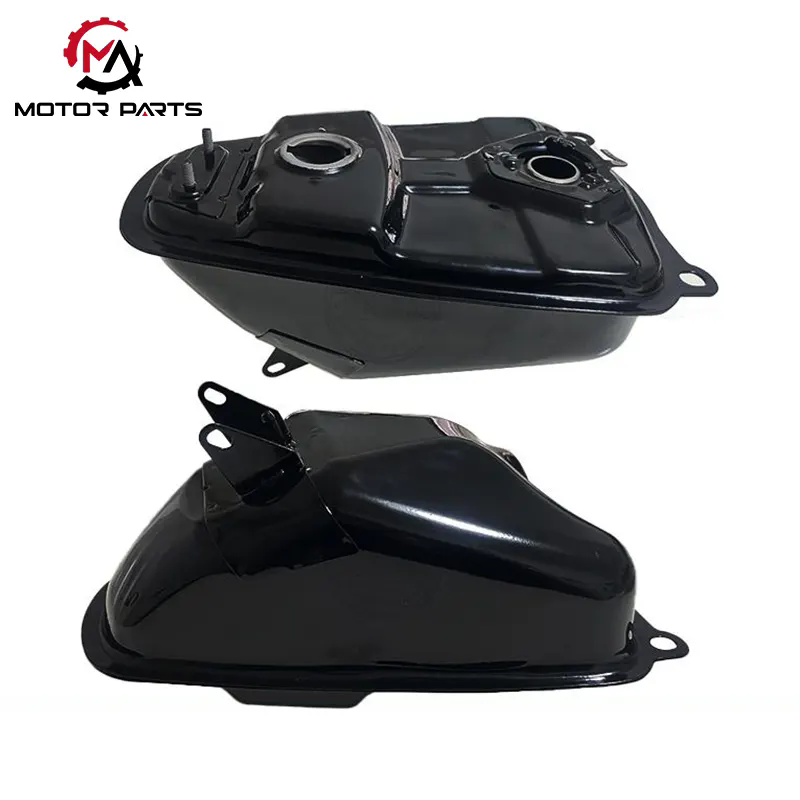
Table of Contents
- Content Outline
- What Is a Motorcycle Fuel Tank
- Common Customer Pain Points
- Fuel Tank Materials Comparison
- Design Factors That Matter
- Fitment and Compatibility Considerations
- Maintenance and Service Life
- How to Choose the Right Fuel Tank
- Frequently Asked Questions
- Conclusion and Business Contact
Content Outline
- Functional role of a Motorcycle Fuel Tank
- Key risks faced by buyers and riders
- Material and structural differences
- Design, capacity, and safety considerations
- Selection guidance for different applications
What Is a Motorcycle Fuel Tank
A Motorcycle Fuel Tank is a sealed container engineered to store and deliver fuel to the engine under varying pressure and temperature conditions. Beyond storage, it plays a structural and ergonomic role by influencing weight distribution, rider posture, and vehicle balance. Modern fuel tanks are designed to integrate with fuel pumps, sensors, caps, and venting systems while complying with safety and environmental standards.
Common Customer Pain Points
Customers sourcing motorcycle fuel tanks often encounter recurring challenges that affect usability and cost efficiency. Understanding these pain points helps reduce failure rates and post-sale issues.
- Fuel leakage caused by poor welding or inferior sealing
- Inaccurate fitment leading to installation delays
- Corrosion or deformation after prolonged use
- Insufficient capacity for long-distance riding
- Incompatibility with fuel pumps or sensors
Fuel Tank Materials Comparison
Material selection directly impacts durability, weight, and resistance to environmental stress. The following table outlines common options used in Motorcycle Fuel Tank manufacturing.
| Material | Advantages | Limitations |
|---|---|---|
| Steel | High strength, cost-effective, impact resistant | Susceptible to internal corrosion if untreated |
| Aluminum | Lightweight, corrosion resistant | Higher cost, lower impact tolerance |
| Plastic (HDPE) | Lightweight, rust-free, flexible design | Heat sensitivity, aging under UV exposure |
Design Factors That Matter
Fuel tank design extends beyond appearance. Internal geometry affects fuel flow consistency, while external contours influence rider comfort and aerodynamics. Poorly designed tanks may trap fuel, interfere with steering, or create uneven weight distribution.
- Internal baffles to stabilize fuel movement
- Optimized filler neck angle for refueling safety
- Integrated mounting points for secure installation
- Ventilation design to prevent pressure buildup
Fitment and Compatibility Considerations
Compatibility remains a top concern for wholesalers and end users. A Motorcycle Fuel Tank must align precisely with the motorcycle frame, fuel pump, and electronic monitoring systems. Even minor dimensional deviations can result in vibration, leaks, or sensor malfunction.
Professional suppliers such as Max trading emphasize model-specific design and quality control to minimize these risks, ensuring tanks integrate seamlessly with existing motorcycle systems.
Maintenance and Service Life
Proper maintenance significantly extends the lifespan of a fuel tank. Routine inspection helps detect early signs of rust, seal degradation, or contamination.
- Drain fuel during long-term storage
- Inspect caps and seals periodically
- Clean internal surfaces to prevent sediment buildup
- Replace damaged mounts immediately
How to Choose the Right Fuel Tank
Selecting the right Motorcycle Fuel Tank depends on usage scenario, riding frequency, and regulatory requirements. Buyers should evaluate the following factors before purchase:
- Motorcycle model and year compatibility
- Required fuel capacity and range
- Material preference based on climate and use
- Availability of replacement accessories
Specialized suppliers with dedicated product lines, such as those showcased on Max trading’s motorcycle fuel tank accessories portfolio, provide tailored options that reduce sourcing risk and after-sales complications.
Frequently Asked Questions
Is a larger motorcycle fuel tank always better?
Not necessarily. Larger tanks increase riding range but may add weight and affect handling. The ideal size balances capacity with ergonomics and intended use.
How can fuel tank leaks be prevented?
Leaks are best prevented through quality welding, proper sealing, and regular inspection of caps and mounting points.
When should a motorcycle fuel tank be replaced?
Replacement is recommended if structural damage, persistent leaks, or severe internal corrosion is detected.
Conclusion and Business Contact
A well-designed Motorcycle Fuel Tank plays a critical role in safety, performance, and rider satisfaction. By understanding materials, design principles, and compatibility requirements, buyers can significantly reduce operational risks and long-term costs. Reliable sourcing and technical support further enhance product value.
For businesses and riders seeking dependable motorcycle fuel tank solutions and accessories, Max trading offers a focused product range supported by industry experience. To explore suitable options or discuss custom requirements, please contact us to connect with a professional support team and secure the right solution for your application.