

How Does a Speaker Grille Improve Audio Performance and Product Design?
2026-08-06
Article Summary
A speaker grille is more than a decorative cover placed over an audio system. It is an essential component that protects internal speaker drivers, maintains sound quality, improves product appearance, and enhances the overall user experience. Whether used in consumer electronics, automotive audio systems, smart devices, industrial equipment, or professional sound products, a properly designed speaker grille helps manufacturers balance protection, acoustic performance, and visual appeal.
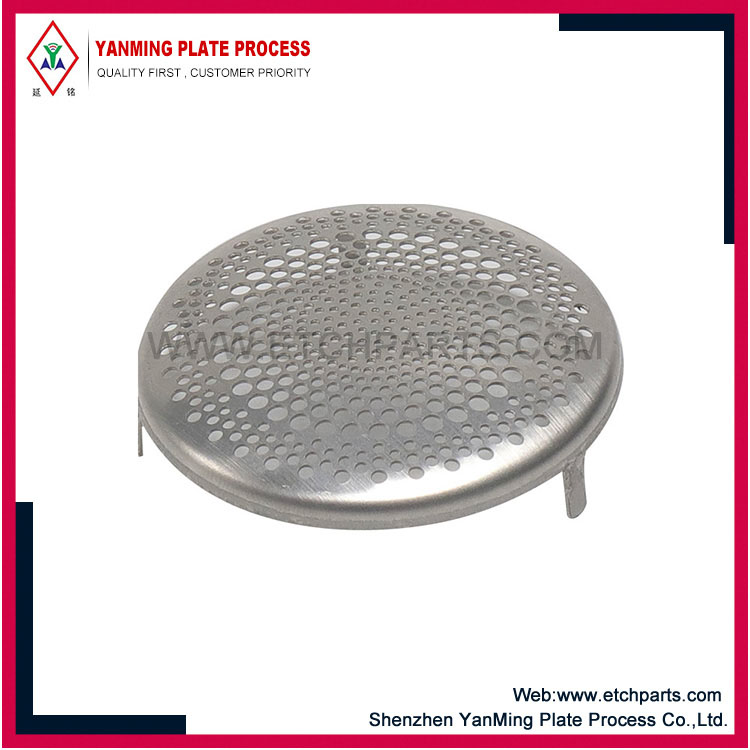
This article explains how a speaker grille works, why it matters, what design challenges manufacturers face, and how professional solutions from YanMing® help businesses create reliable and customized speaker grille products. By understanding materials, manufacturing processes, and design considerations, companies can make better decisions when developing audio products.
Table of Contents
- 1. What Is a Speaker Grille and Why Is It Important?
- 2. How Does a Speaker Grille Work?
- 3. What Problems Can a High-Quality Speaker Grille Solve?
- 4. Which Materials Are Commonly Used for Speaker Grilles?
- 5. How Are Speaker Grilles Designed for Better Performance?
- 6. How Does YanMing® Manufacture Customized Speaker Grilles?
- 7. How to Choose the Right Speaker Grille Supplier?
- 8. Frequently Asked Questions About Speaker Grilles
1. What Is a Speaker Grille and Why Is It Important?
A speaker grille is a protective structure installed on the surface of a speaker system. Its primary purpose is to protect delicate internal components, especially the speaker diaphragm and driver unit, from physical damage, dust, moisture, and accidental impact.
Although a speaker grille may appear simple, its design directly affects sound transmission. Poorly designed grilles can reduce audio clarity, create unwanted vibration, or interfere with sound waves. A professionally engineered grille allows sound to pass through efficiently while maintaining mechanical protection.
Modern product designers need speaker grilles that achieve several goals simultaneously:
- Protect speaker components without blocking sound output.
- Maintain clear and balanced acoustic performance.
- Match the appearance and style of the final product.
- Provide durability for long-term use.
- Support customized designs for different applications.
For manufacturers, selecting the right speaker grille solution is an important step in creating high-quality audio products that satisfy customer expectations.
2. How Does a Speaker Grille Work?
A speaker grille works by creating a protective barrier while allowing sound waves generated by the speaker driver to travel outward. The structure usually contains openings, mesh patterns, or precision-designed holes that control airflow and sound transmission.
When the speaker operates, the diaphragm moves back and forth to create sound waves. The grille must allow these waves to pass through with minimal interference. At the same time, it prevents external objects from reaching sensitive internal parts.
| Function | Description |
|---|---|
| Physical Protection | Prevents damage from dust, objects, and accidental contact. |
| Acoustic Transmission | Allows sound waves to pass through while reducing distortion. |
| Visual Enhancement | Improves product appearance through customized patterns and finishes. |
| Environmental Protection | Provides additional resistance against moisture and external conditions. |
The performance of a speaker grille depends on factors such as opening ratio, material thickness, hole shape, surface treatment, and installation method.
3. What Problems Can a High-Quality Speaker Grille Solve?
Many audio product manufacturers experience challenges when designing protective components. A poorly selected grille can create performance issues and increase production difficulties.
A well-designed speaker grille helps solve the following common problems:
1. Protecting Sensitive Speaker Components
Speaker drivers contain delicate parts that can easily be damaged by impact, dust accumulation, or improper handling. A durable grille acts as a protective shield, extending the service life of the audio system.
2. Maintaining Sound Quality
A speaker grille must balance protection and acoustic openness. Excessively dense materials may reduce volume output or affect frequency response. Professional grille designs ensure that sound performance remains stable.
3. Improving Product Appearance
Consumers often judge electronic products by their appearance. Customized speaker grilles can enhance product aesthetics through different patterns, colors, textures, and finishes.
4. Supporting Product Customization
Different industries require different grille structures. Automotive speakers, smart devices, televisions, and commercial audio equipment all have unique requirements. Custom manufacturing allows companies to develop products that fit specific applications.
4. Which Materials Are Commonly Used for Speaker Grilles?
Choosing the right material is critical because it influences strength, appearance, acoustic performance, and manufacturing cost.
| Material | Main Advantages | Common Applications |
|---|---|---|
| Metal | High strength, excellent durability, premium appearance | Automotive speakers, industrial equipment, high-end audio products |
| Aluminum | Lightweight, corrosion resistant, easy to process | Portable speakers and electronic devices |
| Stainless Steel | Strong protection and excellent environmental resistance | Outdoor and industrial applications |
| Plastic | Flexible design options and cost efficiency | Consumer electronics and mass production products |
YanMing® focuses on precision manufacturing solutions that help customers select suitable materials according to product requirements, production volume, and performance expectations.
5. How Are Speaker Grilles Designed for Better Performance?
The design process of a speaker grille requires careful consideration of both engineering and appearance. Every detail can influence the final performance of the audio product.
- Hole Pattern Design: The shape and arrangement of openings affect sound transmission and product appearance.
- Material Thickness: Proper thickness improves strength while avoiding unnecessary acoustic interference.
- Surface Treatment: Finishing processes improve durability, corrosion resistance, and visual quality.
- Structural Compatibility: The grille must fit accurately with the speaker housing.
- Production Efficiency: Manufacturing methods should support stable quality and cost control.
Professional engineering evaluation helps manufacturers avoid problems such as deformation, poor fitting, weak protection, or reduced sound performance.
6. How Does YanMing® Manufacture Customized Speaker Grilles?
YanMing® provides customized speaker grille manufacturing solutions designed for companies that require reliable quality and flexible product development. With professional manufacturing experience, the company supports customers from initial design concepts to finished products.
The production process typically includes:
- Design Evaluation: Engineers analyze product requirements, dimensions, material choices, and performance expectations.
- Precision Processing: Advanced manufacturing technologies are used to create accurate grille structures and patterns.
- Surface Finishing: Professional treatments improve appearance, durability, and product reliability.
- Quality Inspection: Finished products are checked to ensure dimensional accuracy and consistent performance.
By combining manufacturing expertise with customization capability, YanMing® helps customers develop speaker grille solutions suitable for different industries and applications.
7. How to Choose the Right Speaker Grille Supplier?
Selecting a dependable supplier is essential for maintaining product quality and production efficiency. Businesses should evaluate several important factors before making a decision.
- Manufacturing experience and technical capability.
- Ability to provide customized designs.
- Material selection options.
- Quality control procedures.
- Production capacity and delivery reliability.
- Understanding of acoustic and structural requirements.
A professional supplier should not only provide products but also support customers with engineering suggestions and manufacturing solutions.
8. Frequently Asked Questions About Speaker Grilles
Q1: Does a speaker grille affect sound quality?
Yes. The design, material, and opening structure of a speaker grille can influence sound transmission. A properly designed grille minimizes sound interference while providing protection.
Q2: Can speaker grilles be customized?
Yes. Speaker grilles can be customized in terms of size, shape, material, surface finish, and hole patterns according to different product requirements.
Q3: What industries use speaker grilles?
Speaker grilles are widely used in consumer electronics, automotive systems, smart devices, professional audio equipment, and industrial products.
Q4: Why choose metal speaker grilles?
Metal speaker grilles provide excellent durability, strength, and premium appearance, making them suitable for applications requiring higher protection and long-term reliability.
Q5: How can manufacturers improve speaker grille performance?
Manufacturers can improve performance by selecting suitable materials, optimizing opening patterns, using precise manufacturing processes, and working with experienced suppliers such as YanMing®.
Conclusion
A speaker grille plays an important role in protecting audio components, maintaining sound performance, and improving product appearance. Although it is a small part of an audio system, its design quality can significantly influence the reliability and user experience of the final product.
With customized manufacturing capabilities and professional production experience, YanMing® delivers speaker grille solutions that help businesses overcome design challenges and create high-quality audio products. If you are looking for reliable customized speaker grille solutions for your next project, please contact us for professional support and tailored manufacturing services.