

How Does a Water Sprinkler Truck Improve Urban Efficiency and Cost Control?
2026-04-21
Abstract: Water sprinkler trucks play a critical role in urban sanitation, dust suppression, road maintenance, and environmental management. This article explains how these vehicles function, what problems they solve, and how to choose the right model for your needs. Whether you are a contractor, municipal buyer, or fleet manager, understanding the operational benefits and cost implications can significantly improve decision-making.
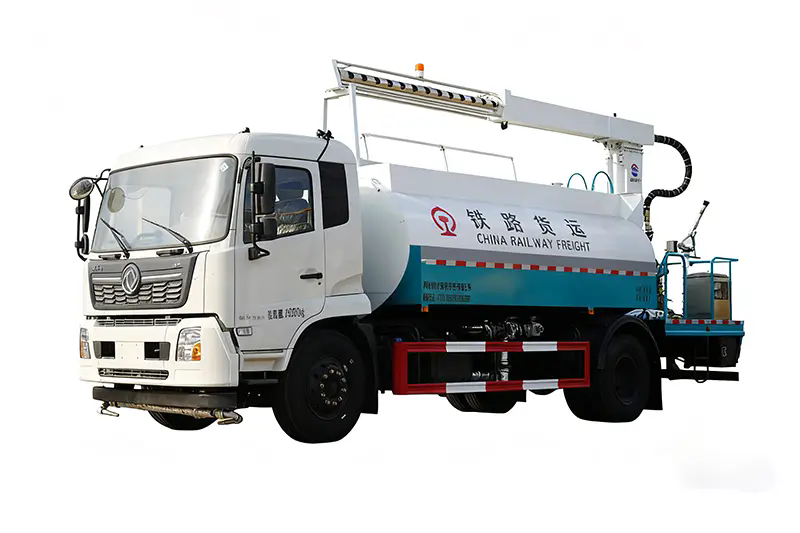
Table of Contents
- 1. Overview of Water Sprinkler Trucks
- 2. How a Water Sprinkler Truck Works
- 3. Key Applications and Use Cases
- 4. Common Customer Pain Points Solved
- 5. How to Choose the Right Model
- 6. Technical Comparison Table
- 7. Maintenance and Longevity Tips
- 8. Frequently Asked Questions
1. Overview of Water Sprinkler Trucks
A water sprinkler truck is a specialized vehicle equipped with a water tank, pump system, and spray nozzles designed for distributing water efficiently across roads, construction sites, and public areas. These trucks are widely used in municipalities, mining operations, and infrastructure projects.
Modern systems integrate high-pressure pumps, adjustable spray patterns, and multi-functional nozzles, allowing operators to perform tasks such as:
- Dust suppression
- Road cleaning
- Cooling asphalt surfaces
- Emergency firefighting support
- Landscape irrigation
2. How a Water Sprinkler Truck Works
The operational principle is straightforward but highly engineered for efficiency. A typical system consists of the following components:
- Water Tank: Stores large volumes of water (usually 3,000–20,000 liters)
- Pump System: Generates pressure for spraying
- Pipeline Network: Transfers water to various outlets
- Nozzle System: Controls spray direction and pattern
When activated, the pump draws water from the tank and distributes it through strategically placed nozzles. These can be configured for:
- Front flushing (road cleaning)
- Rear spraying (dust suppression)
- Side spraying (wide coverage)
- High-pressure cannon (long-distance spraying)
This modular design ensures flexibility across different operational scenarios.
3. Key Applications and Use Cases
Water sprinkler trucks are not limited to a single function. Their versatility makes them essential across industries:
- Municipal Cleaning: Keeps roads dust-free and improves air quality
- Construction Sites: Reduces airborne particles and complies with environmental regulations
- Mining Operations: Controls dust on haul roads
- Agriculture: Provides irrigation in large-scale farming
- Emergency Response: Assists in fire control when needed
4. Common Customer Pain Points Solved
Many buyers face operational inefficiencies before adopting a water sprinkler truck. Here’s how the equipment addresses key challenges:
Problem 1: Dust Pollution and Compliance Issues
High dust levels can lead to regulatory penalties and unsafe working conditions. A sprinkler truck ensures consistent dust suppression, helping maintain compliance.
Problem 2: High Labor Costs
Manual watering methods are inefficient and labor-intensive. Automated spraying significantly reduces workforce requirements.
Problem 3: Uneven Water Distribution
Advanced nozzle systems provide uniform coverage, eliminating waste and improving efficiency.
Problem 4: Equipment Downtime
Modern trucks are built with durable components and simplified maintenance systems, reducing downtime.
5. How to Choose the Right Model
Selecting the right water sprinkler truck requires a structured evaluation of your operational needs:
- Tank Capacity: Choose based on area size and frequency of use
- Spray Range: High-pressure systems are ideal for large sites
- Chassis Type: Match terrain conditions (urban vs. off-road)
- Pump Performance: Higher flow rates improve efficiency
- Material Quality: Corrosion-resistant tanks ensure longevity
Investing in the right configuration prevents overspending while maximizing productivity.
6. Technical Comparison Table
| Feature | Standard Model | Advanced Model |
|---|---|---|
| Tank Capacity | 5,000–10,000 L | 10,000–20,000 L |
| Spray Distance | 10–20 meters | 30–50 meters |
| Pump Pressure | Low to Medium | High Pressure |
| Control System | Manual | Automated / Remote |
| Best Use Case | Small cities, farms | Large construction, mining |
7. Maintenance and Longevity Tips
Proper maintenance ensures long-term reliability and optimal performance:
- Regularly inspect pump and valves
- Clean nozzles to prevent clogging
- Check tank for corrosion or leaks
- Use clean water sources to avoid sediment buildup
- Perform scheduled servicing of the chassis
Preventive maintenance reduces operational costs and extends service life.
8. Frequently Asked Questions
Q1: What is the average lifespan of a water sprinkler truck?
With proper maintenance, most units last 8–15 years depending on usage intensity.
Q2: Can it be used for firefighting?
Yes, many models include high-pressure cannons suitable for emergency fire suppression.
Q3: How much water does it consume per operation?
This depends on tank size and spray settings, but efficient systems minimize waste.
Q4: Is it suitable for urban environments?
Absolutely. Compact models are specifically designed for city road cleaning and dust control.
Q5: What makes a high-quality supplier?
Look for manufacturers with proven engineering, reliable components, and strong after-sales support.
Conclusion
A water sprinkler truck is more than just a utility vehicle—it is a strategic asset for improving operational efficiency, environmental compliance, and cost management. By understanding how these systems work and selecting the right configuration, businesses and municipalities can significantly enhance productivity.
For reliable solutions and professional support, Runli offers high-performance water sprinkler trucks tailored to various industries. If you are looking to optimize your operations and reduce long-term costs, contact us today to explore customized options that meet your exact requirements.