

Summary: Automobile bumpers are often overlooked until an accident happens, yet they play a vital role in vehicle safety, durability, and repair cost reduction. This article dives deep into what bumpers do, how they work, material options, installation and maintenance tips, and real benefits for drivers and fleet owners. By the end, you'll have actionable insight into choosing and caring for a bumper solution that fits your needs.
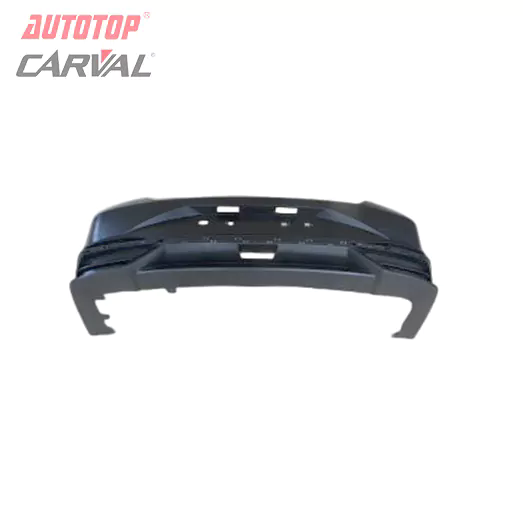
Table of Contents
- Introduction to Automobile Bumpers
- Function and Safety Benefits
- Bumper Materials and Construction
- How to Choose the Right Bumper
- Installation and Maintenance
- Frequently Asked Questions (FAQ)
- Conclusion
Introduction to Automobile Bumpers
An automobile bumper is a structural component attached to the front and rear of a vehicle. Its primary role is to absorb impact and protect critical parts—such as the radiator, headlights, and engine components—during low-speed collisions. Beyond protection, bumpers also contribute to your car’s aesthetics and aerodynamic performance.
Whether you're a daily commuter, commercial fleet operator, or automotive enthusiast, understanding how bumpers function can reduce repair costs and increase safety.
Function and Safety Benefits
At its core, the bumper is designed to:
- Absorb Impact Energy: Bumpers cushion the collision force to minimize damage to internal vehicle systems.
- Protect Pedestrians: Modern bumpers are engineered to reduce injury risks in pedestrian impacts.
- Reduce Repair Costs: By dampening collision energy, bumpers lower the likelihood of expensive body or engine repairs.
- Support Safety Systems: Many bumpers house sensors and cameras for parking assist, collision warnings, and autonomous driving features.
Bumper Materials and Construction
Bumpers today are not a one-size-fits-all item. Material choice affects durability, weight, cost, and performance. Below is a comparison of common materials:
| Material | Pros | Cons | Common Use |
|---|---|---|---|
| Plastic (Thermoplastic) | Lightweight, cost-effective, easy to shape | Less impact resistance | Passenger cars |
| Steel | High strength, excellent impact absorption | Heavy, potential for corrosion | Trucks, heavy-duty vehicles |
| Aluminum | Corrosion-resistant, lighter than steel | More expensive | Performance vehicles |
| Composite Materials | High strength-to-weight ratio | Complex manufacturing | Specialty and high-end vehicles |
How to Choose the Right Bumper
Selecting the right bumper requires balancing performance, budget, and vehicle use case. Consider the following factors:
- Vehicle Type: Trucks and SUVs might benefit from reinforced bumpers, while compact cars often use plastic or composite options for weight savings.
- Impact Expectations: If parking in urban areas or driving on rugged terrain, prioritize stronger impact absorption.
- Aesthetics: The bumper should complement your vehicle’s style without sacrificing function.
- Compatibility with Safety Sensors: Ensure sensor mounts and camera fitments are integrated properly.
Installation and Maintenance
Proper installation and routine upkeep extend the lifespan and performance of your bumper:
- Professional Installation: Misalignment or improper fasteners can compromise protection.
- Clean Regularly: Remove debris and dirt to prevent surface deterioration.
- Inspect After Impact: Even minor bumps can hide structural damage.
- Replace Damaged Components Promptly: Cracks or deformations reduce effectiveness.
Frequently Asked Questions (FAQ)
1. What is the main purpose of an automobile bumper?
The main purpose is to absorb collision energy and protect major vehicle components and passengers from impact damage.
2. How often should a bumper be replaced?
If a bumper has sustained structural damage such as cracks or warping, it should be replaced immediately. Routine inspections after impacts help determine this.
3. Are all bumpers compatible with sensors and cameras?
No. You must ensure the bumper design matches your vehicle’s safety system layouts before purchasing or installing.
4. Can I upgrade my bumper for better protection?
Yes. Many vehicles can be fitted with reinforced or aftermarket bumpers, especially for off-road or heavy-duty use.
5. Do bumper materials affect fuel efficiency?
Lighter materials like thermoplastics and aluminum can reduce overall vehicle weight, which may improve fuel efficiency marginally.
Conclusion
Automobile bumpers are a critical safety component that provide protection, reduce repair costs, and enhance vehicle performance. By understanding how bumpers work, what materials are available, and how to choose and maintain the right one for your vehicle, you make a smart investment in safety and longevity.
For durable, high-quality bumper solutions tailored to a wide range of vehicles, trust Changzhou Jiahong to deliver reliable products that provide peace of mind on every journey. Contact us today to discuss your vehicle's needs and get expert assistance!