

How Does an Automobile Front Grille Assembly Enhance Vehicle Performance and Style?
2026-03-23
Article Summary
An automobile front grille assembly is more than a design element—it plays a critical role in vehicle performance, cooling efficiency, and aesthetic appeal. This article explores the structure, functions, and benefits of front grille assemblies, helping automotive buyers, mechanics, and manufacturers understand their importance. It also provides insights on material selection, installation tips, and maintenance strategies to maximize lifespan and functionality.
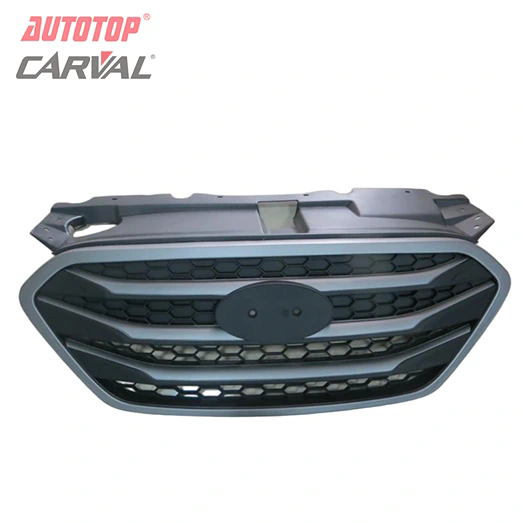
Table of Contents
- 1. What Is an Automobile Front Grille Assembly?
- 2. How Does a Front Grille Assembly Work?
- 3. Why Is It Important for Vehicle Performance?
- 4. Materials and Design Features
- 5. Types of Front Grille Assemblies
- 6. How to Choose the Right Front Grille Assembly
- 7. Installation and Maintenance Tips
- 8. Frequently Asked Questions
- 9. Conclusion
1. What Is an Automobile Front Grille Assembly?
A front grille assembly is the protective and decorative panel installed at the front of a vehicle, typically between the headlights. It serves as a barrier that protects the radiator and engine compartment while allowing airflow for cooling. Beyond its functional role, the grille contributes to the vehicle's overall style and brand identity.
Front grille assemblies are standard in all vehicles and vary widely in material, design, and mounting method depending on the make and model.
2. How Does a Front Grille Assembly Work?
The primary function of a front grille assembly is to balance airflow and protection. It allows air to pass through to the radiator and engine bay, maintaining optimal operating temperature while preventing debris and small objects from entering.
- Air intake: Guides airflow toward the radiator for cooling
- Protection: Shields internal components from stones, leaves, and other debris
- Aesthetic function: Enhances the vehicle's exterior design and brand recognition
- Mounting integration: Supports other components such as sensors, cameras, or fog lights
Modern grille assemblies may also include active aerodynamic elements, adjusting airflow dynamically to improve fuel efficiency.
3. Why Is It Important for Vehicle Performance?
A well-designed front grille assembly impacts several critical aspects of vehicle performance:
- Engine Cooling: Ensures proper airflow to maintain radiator efficiency and prevent overheating
- Fuel Efficiency: Aerodynamic designs reduce drag, enhancing mileage
- Safety: Protects vital engine components from debris
- Durability: High-quality materials resist corrosion and impact
- Style and Branding: Adds visual appeal and reinforces brand identity
4. Materials and Design Features
| Material | Features |
| ABS Plastic | Lightweight, cost-effective, corrosion-resistant |
| Aluminum | Strong, lightweight, excellent heat dissipation |
| Stainless Steel | Durable, high-end appearance, rust-resistant |
| Composite Materials | Customizable shape, combines strength and flexibility |
| Mesh or Honeycomb Pattern | Optimized airflow, sportier aesthetic |
| Chrome or Matte Finish | Enhances visual appeal, brand styling options |
Material selection directly affects performance, durability, and aesthetics. Premium vehicles often use a combination of aluminum and stainless steel for longevity and styling.
5. Types of Front Grille Assemblies
There are multiple grille assembly types catering to various automotive needs:
- Standard Grille: Factory-installed, basic airflow and protection
- Mesh Grille: Sporty design, optimized for performance vehicles
- Honeycomb Grille: Combines airflow efficiency with structural strength
- Custom/Aftermarket Grille: Enhances appearance or brand personalization
- Active Grille Shutters: Automatically open/close to improve aerodynamics
6. How to Choose the Right Front Grille Assembly
Selecting the right front grille assembly depends on vehicle type, purpose, and personal preference. Consider the following criteria:
- Compatibility with make, model, and year
- Material and finish for durability and aesthetics
- Design type for airflow and aerodynamic efficiency
- Additional features: camera, sensors, LED integration
- Budget and installation complexity
Choosing a reliable supplier like AUTOTOP ensures high-quality products and professional guidance during selection.
7. Installation and Maintenance Tips
Proper installation and regular maintenance are critical for long-term performance:
- Follow manufacturer instructions or professional installation
- Check alignment and secure fasteners to prevent vibration
- Regularly clean the grille to remove dust, leaves, and debris
- Inspect for damage or corrosion, especially after off-road use
- Polish chrome or stainless steel surfaces periodically for visual upkeep
Routine maintenance extends the lifespan of the grille and keeps the vehicle looking premium.
8. Frequently Asked Questions
Q1: Can I install an aftermarket grille myself?
Yes, with basic tools and proper guidance, but professional installation ensures correct alignment and avoids damage.
Q2: How does grille design affect fuel efficiency?
Aerodynamic grille designs reduce drag, improving fuel efficiency by allowing smoother airflow around the vehicle.
Q3: What materials are most durable?
Stainless steel and high-quality ABS plastics are commonly used for durability, corrosion resistance, and longevity.
Q4: Do modern grilles support sensors and cameras?
Yes, many contemporary front grille assemblies integrate with ADAS sensors, cameras, and even radar units for safety features.
9. Conclusion
A front grille assembly is a critical component that combines protection, performance, and aesthetic appeal. Understanding its design, materials, and installation ensures your vehicle performs optimally while maintaining style.
AUTOTOP offers high-quality automobile front grille assemblies that meet diverse automotive needs with precision and durability.
For professional guidance and reliable products to upgrade or replace your vehicle’s front grille assembly, contact us today and experience customized solutions that enhance both performance and appearance.