

How Does Garbage Truck Work?
2026-04-20
Garbage trucks are essential municipal and industrial vehicles designed to efficiently collect, compress, transport, and dispose of waste. This article explains how garbage trucks work, their core components, types, operational workflow, maintenance considerations, and how to choose the right model for different waste management needs. It also addresses common user concerns and practical pain points faced by operators and city planners.
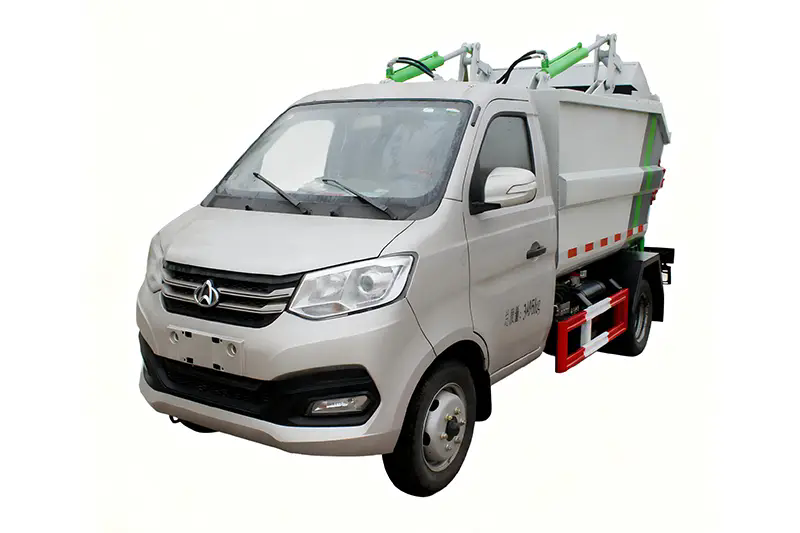
Table of Contents
- 1. Overview of Garbage Truck Systems
- 2. Common Challenges in Waste Collection
- 3. Types of Garbage Trucks
- 4. How a Garbage Truck Works
- 5. Key Components Explained
- 6. Choosing the Right Garbage Truck
- 7. Maintenance and Efficiency Tips
- 8. Environmental Considerations
- 9. Frequently Asked Questions
- 10. Conclusion
1. Overview of Garbage Truck Systems
A garbage truck is a specialized vehicle engineered to collect and transport solid waste from residential, commercial, and industrial areas to disposal or recycling facilities. Modern designs combine hydraulic systems, compaction mechanisms, and automated loading features to improve efficiency and reduce labor intensity.
The primary goal of a garbage truck system is to maximize load capacity while minimizing collection time and operational cost. This balance is achieved through engineering precision and mechanical optimization.
2. Common Challenges in Waste Collection
Waste management operators often face multiple operational difficulties, including inefficiency, high fuel consumption, and safety risks. Understanding these challenges helps improve system design and vehicle selection.
- High labor dependency: Manual loading increases operational cost and slows down collection cycles.
- Odor and hygiene issues: Exposure to waste creates environmental and health concerns.
- Traffic congestion: Frequent stops in urban environments reduce efficiency.
- Mechanical wear: Continuous compaction and hydraulic operations increase maintenance needs.
3. Types of Garbage Trucks
Different waste collection environments require different truck designs. Below is a structured comparison:
| Type | Description | Best Use Case |
|---|---|---|
| Rear Loader | Workers load waste manually from the back | Residential areas |
| Front Loader | Uses forks to lift large dumpsters | Commercial waste collection |
| Side Loader | Automated arm collects bins from the side | Urban automated systems |
| Compactor Truck | Compresses waste to maximize capacity | High-density waste zones |
4. How a Garbage Truck Works
The operation of a garbage truck follows a structured mechanical and hydraulic workflow designed for efficiency and safety.
- Collection Phase: Waste is loaded manually or via automated lifting arms.
- Compaction Phase: Hydraulic rams compress the waste to reduce volume.
- Storage Phase: Waste is stored in a sealed compartment to prevent leakage and odor.
- Transport Phase: The truck carries compressed waste to landfill or recycling stations.
- Discharge Phase: The rear or front section tilts to unload waste efficiently.
This cycle repeats multiple times per route, making the compaction system one of the most critical features of the vehicle.
5. Key Components Explained
A garbage truck is a complex integration of mechanical and hydraulic systems. Below are its core components:
| Component | Function |
|---|---|
| Hydraulic System | Powers compaction and lifting mechanisms |
| Compactor Blade | Compresses waste inside the container |
| Loading Hopper | Entry point for waste collection |
| Control Panel | Operates hydraulic and automation functions |
| Chassis | Structural base supporting the entire system |
6. Choosing the Right Garbage Truck
Selecting the right garbage truck depends on operational requirements, waste type, and urban density. Here are key considerations:
- Capacity requirements: High-density areas need larger compaction systems.
- Automation level: Automated side loaders reduce labor costs.
- Fuel efficiency: Modern engines reduce long-term operational expenses.
- Durability: Steel-grade body construction improves lifespan.
For specialized manufacturing solutions and reliable configurations, many operators refer to industry suppliers such as Hubei Runli Special Automobile Co., Ltd., which provides customized waste management vehicles designed for different operational environments.
7. Maintenance and Efficiency Tips
Proper maintenance ensures longevity and consistent performance of garbage trucks.
- Regular hydraulic system inspection to prevent leakage
- Lubrication of moving parts to reduce wear
- Cleaning compaction chamber after daily use
- Monitoring engine performance and fuel systems
Neglecting maintenance can lead to reduced efficiency and increased operational costs over time.
8. Environmental Considerations
Modern garbage trucks play a significant role in environmental protection. By compacting waste efficiently, they reduce the number of trips to landfills, lowering fuel consumption and carbon emissions.
Additionally, improved sealing systems prevent leakage of hazardous substances, contributing to cleaner urban environments.
9. Frequently Asked Questions
Q1: How long does a garbage truck last?
A well-maintained garbage truck can last 8–15 years depending on usage intensity.
Q2: What is the main advantage of compaction?
It increases load capacity, reducing the number of trips required.
Q3: Are garbage trucks automated?
Many modern models include semi or fully automated loading systems.
Q4: How often should maintenance be done?
Basic inspection should be daily, with full servicing monthly or quarterly.
10. Conclusion
Garbage trucks are vital infrastructure assets that support urban sanitation, environmental protection, and efficient waste logistics. Understanding how they operate helps cities and businesses optimize waste collection systems and reduce operational inefficiencies.
For reliable and high-performance waste management vehicles, Hubei Runli Special Automobile Co., Ltd. offers professional manufacturing solutions tailored to diverse industry needs.
Contact us: If you are looking for durable, efficient, and customized garbage truck solutions, contact Hubei Runli Special Automobile Co., Ltd. today to discuss your requirements and get expert support for your waste management fleet planning.