

How Does Motorcycle Ignition Work and How to Optimize It?
2025-12-31
Article Summary: Motorcycle ignition systems are critical components that influence engine performance, fuel efficiency, and overall reliability. This guide provides a detailed exploration of motorcycle ignition, including system types, technical specifications, selection criteria, and practical troubleshooting tips. Additionally, common questions regarding motorcycle ignition are answered to assist riders and mechanics in understanding, maintaining, and optimizing their ignition systems.
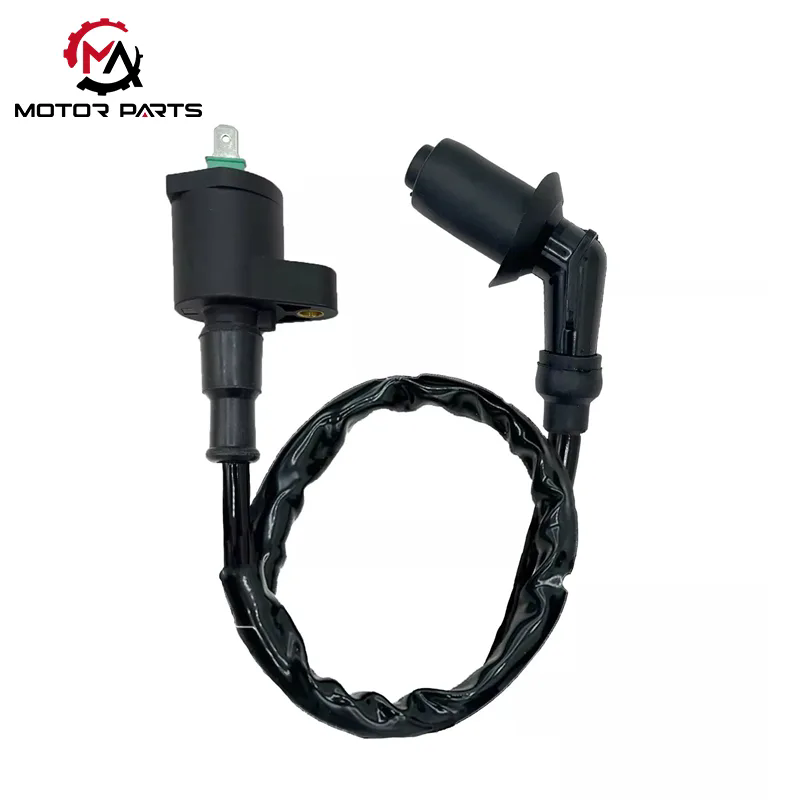
Table of Contents
Introduction to Motorcycle Ignition Systems
Motorcycle ignition systems are responsible for igniting the air-fuel mixture in the engine cylinder, which generates the combustion needed to power the motorcycle. The efficiency and reliability of the ignition system directly affect engine startup, smooth operation, and fuel consumption. Motorcycle ignition systems are designed to work under varying conditions, providing consistent spark at different engine speeds.
This article focuses on understanding the components, operation principles, and optimization techniques for motorcycle ignition systems, catering to both enthusiasts and professional mechanics.
Types of Motorcycle Ignition Systems
1. Conventional Points Ignition
Points ignition uses mechanical contact points to trigger the spark at the right moment. Although older, this system is still used in classic motorcycles due to its simplicity and ease of maintenance.
2. Capacitor Discharge Ignition (CDI)
CDI systems store electrical energy in a capacitor and release it rapidly to the ignition coil, creating a high-voltage spark. This system is compact, reliable, and suitable for high-revving engines.
3. Transistorized Ignition (TCI)
TCI replaces mechanical points with transistors, offering precise timing control, lower maintenance, and better fuel efficiency compared to traditional systems.
4. Magneto Ignition
Magneto ignition generates electricity through engine-driven magnets and is independent of the battery. This system is common in off-road motorcycles where battery reliability is critical.
Motorcycle Ignition Parameters
Understanding the technical specifications of a motorcycle ignition system is crucial for selecting and maintaining the right system. Key parameters include voltage, spark timing, coil resistance, and operating temperature range.
| Parameter | Specification | Description |
|---|---|---|
| Operating Voltage | 12V DC | Standard voltage for most motorcycle ignition systems, compatible with typical motorcycle batteries. |
| Spark Timing | 5° to 40° BTDC | Adjustable timing range before top dead center, influencing engine performance. |
| Coil Resistance | 0.5 – 1.5 Ω (Primary), 5k – 10k Ω (Secondary) | Ensures proper current flow for spark generation, varies by ignition type. |
| Operating Temperature | -20°C to 120°C | Temperature tolerance of ignition components for consistent performance. |
| Ignition System Type | CDI / TCI / Points / Magneto | Specifies the design and working principle of the ignition system. |
Common Questions About Motorcycle Ignition
Q1: How can a faulty ignition system affect motorcycle performance?
A1: A faulty ignition system can cause engine misfires, difficulty in starting, reduced fuel efficiency, and uneven power delivery. Components like spark plugs, coils, and timing sensors need to be inspected to identify the root cause.
Q2: How to determine if the CDI unit is malfunctioning?
A2: Symptoms of a CDI malfunction include no spark at the spark plug, engine stalling at high RPM, or inconsistent ignition timing. Testing with a multimeter and inspecting connections are standard diagnostic steps. Replacing the unit is often necessary if issues persist.
Q3: How to maintain a motorcycle ignition system for longevity?
A3: Regular maintenance includes cleaning contact points (if present), checking and replacing spark plugs, inspecting coil resistance, ensuring proper battery voltage, and protecting components from moisture and extreme heat. Preventive maintenance minimizes breakdown risks.
Maintenance and Optimization Tips
1. Regular Inspection
Perform routine checks of ignition components, including spark plug condition, coil integrity, and wiring connections. Early detection of wear or corrosion prevents major failures.
2. Spark Plug Selection
Choose spark plugs according to the manufacturer’s specification, considering heat range and electrode gap. Proper plugs ensure optimal combustion and engine performance.
3. Timing Adjustment
Accurate ignition timing adjustment is crucial. For advanced ignition systems like TCI or CDI, ensure electronic timing sensors are calibrated according to engine specifications.
4. Environmental Protection
Keep ignition components protected from moisture, dirt, and extreme temperatures. Use dielectric grease on connectors and cover exposed wiring to maintain reliable performance.
Conclusion and Contact
Motorcycle ignition systems are the heart of engine operation, affecting every aspect from startup to high-speed performance. Selecting the right type, maintaining key parameters, and addressing common issues ensures consistent, reliable operation. By following the guidelines above, riders can enhance performance and longevity of their motorcycles.
Max Trading specializes in high-quality motorcycle ignition systems and components for various models and engine types. For professional advice, product inquiries, or to explore our full range of products, Contact Us today and experience optimized motorcycle performance with reliable ignition solutions.