

How Does Motorcycle Ignition Work to Ensure Reliable Engine Start?
2026-01-28
Article Abstract
The motorcycle ignition system is the core mechanism that enables the internal combustion engine to start and run efficiently. It generates high-voltage sparks at precisely timed intervals to ignite the air-fuel mixture inside the cylinder. This article provides a comprehensive breakdown of motorcycle ignition principles, key components, maintenance tips, common problems, and practical solutions rider and workshop technicians need to know. It is designed to help readers understand how to keep ignition systems functioning optimally and to troubleshoot common issues.
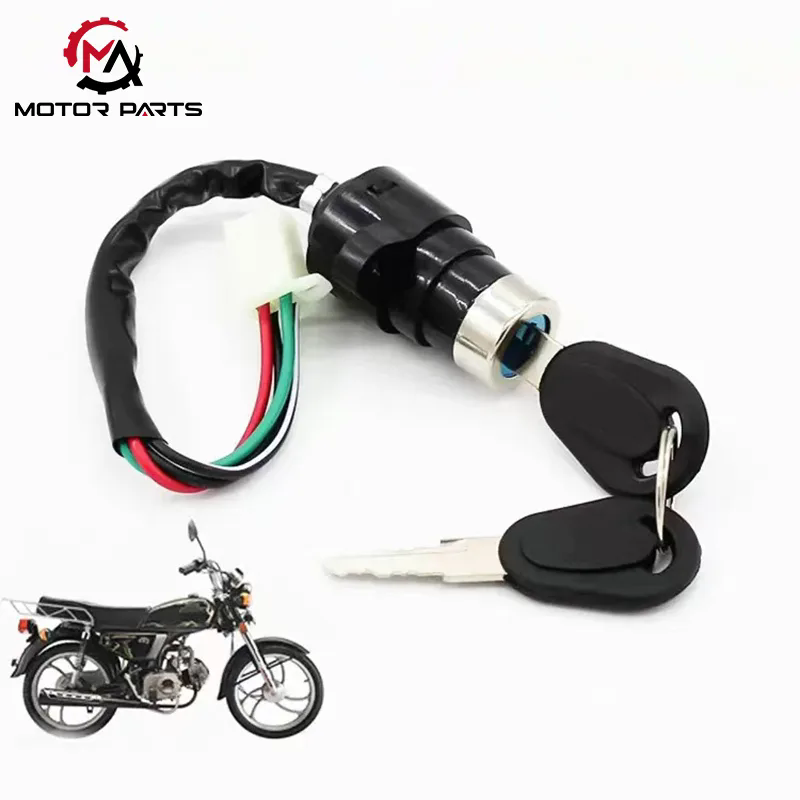
Table of Contents
- Overview of Motorcycle Ignition Systems
- Key Components and Their Functions
- How the Ignition System Works
- Maintenance and Troubleshooting Tips
- Frequently Asked Questions
- Conclusion and Contact Information
Overview of Motorcycle Ignition Systems
A motorcycle ignition system is responsible for generating and delivering a high-voltage electric spark to the engine’s combustion chamber at the correct moment during the compression stroke. Accurate ignition timing is critical for reliable engine starting, smooth idling, fuel efficiency, and optimal power delivery. Without an effective ignition system, a motorcycle cannot start or maintain engine operation. The motorcycle ignition system has evolved over decades from mechanical points and condensers to modern electronic systems incorporating capacitive discharge ignition (CDI) and advanced control modules.
Key Components and Their Functions
The motorcycle ignition system comprises multiple components that work together to generate the ignition spark. Below is a structured overview of these components and their primary roles:
| Component | Description |
|---|---|
| Battery | Provides initial low-voltage electrical energy to the ignition and electrical system. |
| Ignition Coil | Steps up low voltage from the battery to high voltage required to fire the spark plug. High voltage can exceed 15,000–20,000 volts to ignite the air-fuel mixture. :contentReference[oaicite:0]{index=0} |
| Spark Plug | Receives high voltage from the ignition coil and creates an electric spark in the combustion chamber to ignite the mixture. :contentReference[oaicite:1]{index=1} |
| Ignition Switch | Controls power supply to the ignition system and often includes anti-theft features. :contentReference[oaicite:2]{index=2} |
| CDI or Igniter Module | Controls timing and discharge of voltage to the ignition coil; modern motorcycles often use a CDI (capacitive discharge ignition) or a TCI (transistor controlled ignition). :contentReference[oaicite:3]{index=3} |
| Pickup Coil / Sensor | Senses crankshaft position and engine speed, sending timing signals to the igniter module. :contentReference[oaicite:4]{index=4} |
How the Ignition System Works
The operation of a motorcycle ignition system can be broken down into several key stages:
- Power Supply Initiation: When the rider turns the ignition switch to the “ON” position, the system energizes electrical circuits and prepares the ignition module to generate timing signals.
- Signal Detection: The pickup coil or crankshaft position sensor monitors the rotation of the engine and sends precise engine position data to the ignition control module.
- Voltage Transformation: The ignition module triggers the ignition coil at the correct moment, causing the primary winding to collapse and induce high voltage in the secondary winding. This high voltage is transmitted to the spark plug. :contentReference[oaicite:5]{index=5}
- Spark Generation: At peak compression, the high-voltage pulse jumps the spark plug gap, creating a spark that ignites the compressed air-fuel mixture.
- Repeat Cycle: This process is repeated multiple times per second depending on engine speed, sustaining combustion and engine operation.
Maintenance and Troubleshooting Tips
Regular inspection and maintenance of the ignition system help prevent starting issues and performance loss. Common practical steps include:
- Checking spark plug condition and replacing worn or fouled plugs.
- Inspecting ignition coil and high-tension leads for cracks, corrosion, or loose connections.
- Ensuring pickup coils and sensors are free of debris and correctly aligned.
- Testing the ignition switch for proper continuity and function.
- Verifying battery health and charging system performance, as low battery voltage can affect ignition timing.
Many ignition failures can manifest as hard starts, weak spark, mis-fires, or no start at all. Diagnosing these issues early leads to more reliable performance and reduced repair costs.
Frequently Asked Questions
Q: What causes a motorcycle ignition system not to produce a spark?
A: A lack of spark can be caused by a worn or fouled spark plug, defective ignition coil, damaged high-tension wire, weak battery voltage, or faulty pickup coils. Comprehensive testing of each component helps isolate the issue.
Q: How often should spark plugs be replaced on a motorcycle?
A: Spark plug replacement intervals vary by motorcycle model and usage conditions but typically range between 5,000 to 15,000 miles. Check the manufacturer’s maintenance schedule for precise guidance.
Q: Can an ignition timing issue affect engine performance?
A: Yes, incorrect ignition timing can lead to poor fuel combustion, reduced power, engine knocking, overheating, and decreased fuel efficiency. Proper timing ensures optimal power delivery and engine longevity.
Q: Is it possible to upgrade the ignition system for better performance?
A: Upgrades such as performance-grade spark plugs, high-output coils, or advanced igniter modules can improve spark strength and timing precision. However, upgrades should match the motorcycle’s design parameters to ensure compatibility and avoid electrical system stress.
Conclusion and Contact Information
Understanding how motorcycle ignition systems work empowers riders and technicians to maintain reliable engine starts, diagnose faults accurately, and make informed decisions about maintenance or upgrades. A well functioning ignition system contributes directly to engine responsiveness, fuel efficiency, and overall riding experience.
Max Trading offers high-quality motorcycle ignition components and accessories that support dependable starting performance and long service life across a wide range of motorcycle applications. For tailored parts recommendations, technical support, and bulk order inquiries, contact us to explore solutions designed to keep your motorcycle running smoothly.