

How Does Operating Temperature Influence the Wear Rate of Loader and Wheel Dozer Tires
2026-04-28
Operating temperature is one of the most critical yet overlooked factors directly affecting the wear rate of Loader and Wheel Dozer Tires. When JABIL engineers analyze tire performance data from mining and construction sites, heat consistently emerges as the primary accelerant of rubber degradation. Understanding this relationship helps fleet managers reduce replacement frequency and lower operating costs.
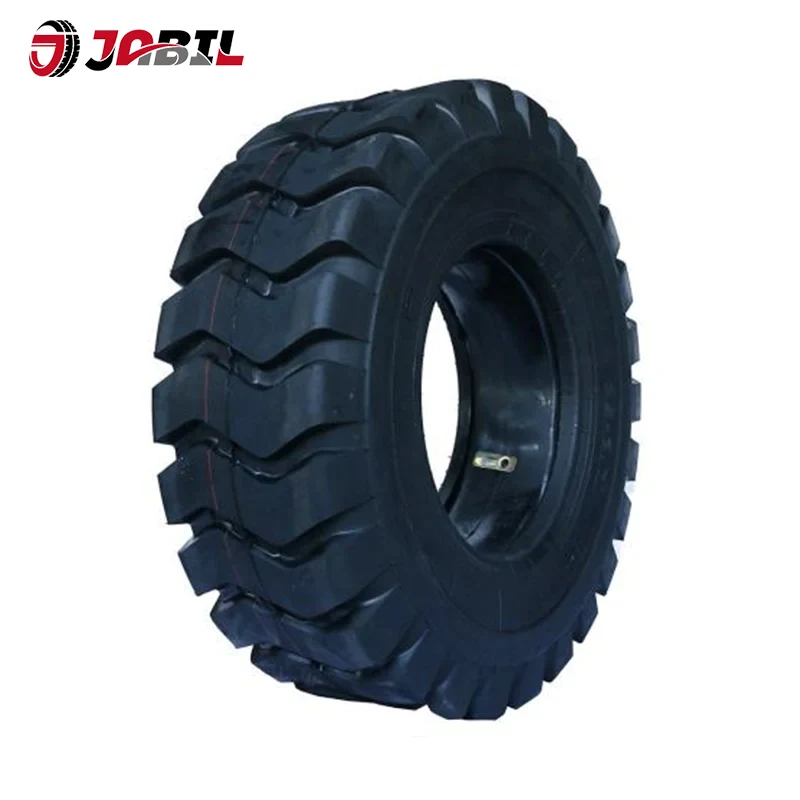
The Science of Heat Build-Up in Tires
Loader and Wheel Dozer Tires generate heat through three main mechanisms: flexing of the tread and sidewall, friction between rubber and ground, and internal hysteresis (energy loss as heat). As operating temperature rises above the optimal range of 70–90°C (158–194°F), the rubber compound begins to soften, losing tensile strength by up to 40%. At 120°C (248°F), thermal oxidation triggers irreversible changes—micro-cracks form, tread rubber tears more easily, and wear rates double for every 10°C increase beyond this threshold.
Temperature-Driven Wear Patterns
| Temperature Range | Wear Mechanism | Wear Rate Index (Baseline 100 at 70°C) |
|---|---|---|
| Below 50°C | Low abrasion, poor traction | 85 |
| 70–90°C (Optimal) | Balanced wear, maximum life | 100 |
| 100–120°C | Accelerated tread chipping and tearing | 160–200 |
| Above 120°C | Rapid thermal degradation, chunking | 300+ |
Practical Implications for Site Operations
The table above demonstrates that keeping Loader and Wheel Dozer Tires within optimal temperatures reduces wear rate by nearly 60% compared to high-heat scenarios. JABIL recommends monitoring tire temperature through TPMS (Tire Pressure Monitoring Systems) and adjusting load cycles accordingly. High ambient temperatures, underinflation, excessive speed, and aggressive cornering all contribute to dangerous heat accumulation.
Loader and Wheel Dozer Tires FAQ – Common Questions
Q1: What operating temperature is considered too high for Loader and Wheel Dozer Tires and what immediate actions should be taken?
A1: Any sustained internal temperature exceeding 110°C (230°F) is hazardous. At this point, the tire’s rubber begins to undergo thermal reversion – essentially cooking the polymer bonds. Immediate actions include: stopping machine operation for 30–45 minutes to allow natural cooling, checking inflation pressure (heat increases pressure artificially), inspecting for bulges or tread separation, and reducing payload by 15–20% upon resumption. If temperatures reach 125°C or higher, the tire should be removed and professionally inspected, as internal structural damage may already have occurred.
Q2: How does underinflation increase operating temperature and accelerate wear on Loader and Wheel Dozer Tires?
A2: Underinflation by just 20% increases sidewall flexing by over 300%. Each revolution forces the sidewall to bend excessively, converting mechanical energy into heat rather than forward motion. This heat concentrates in the lower sidewall and shoulder area, which are not designed for continuous high-temperature exposure. For a typical loader tire operating at 25% underinflation, internal temperatures rise 30–40°C above normal, cutting tire life by up to 65%. JABIL recommends checking cold inflation pressure daily and adjusting for ambient temperature changes.
Q3: Can heat-resistant compounds solve temperature-related wear issues for Loader and Wheel Dozer Tires without changing operations?
A3: Heat-resistant compounds mitigate but do not eliminate the problem. JABIL offers specialized compounds with higher thermal stability, capable of withstanding up to 130°C before significant degradation begins. However, operational factors remain decisive. A heat-resistant tire operating at 125°C still wears twice as fast as a standard tire operating at 85°C. The most effective solution combines high-quality compounds, proper inflation, moderated speeds, and reduced cycle intensities. Never rely solely on rubber chemistry to compensate for abusive operating conditions.
Final Recommendations
To maximize the life of your Loader and Wheel Dozer Tires, treat operating temperature as a key performance indicator. Measure it, log it, and act when it trends upward. JABIL integrates thermal modeling into every tire design, helping customers reduce wear-related downtime by up to 35%.
Contact us today at JABIL for a free thermal wear assessment of your equipment fleet. Our specialists will provide customized temperature management protocols and tire recommendations tailored to your specific load cycles and site conditions.