

How Does Tread Pattern Affect Scooter Tyres Performance
2026-03-12
When evaluating Scooter Tyres, most riders focus on size or durability, but the tread pattern is arguably the most critical factor influencing safety and control. The design on your rubber directly dictates how your vehicle interacts with the road surface. At RICHTONE, we engineer our Scooter Tyres to optimize this interaction, ensuring that every groove and sipe serves a specific purpose for urban and suburban mobility.
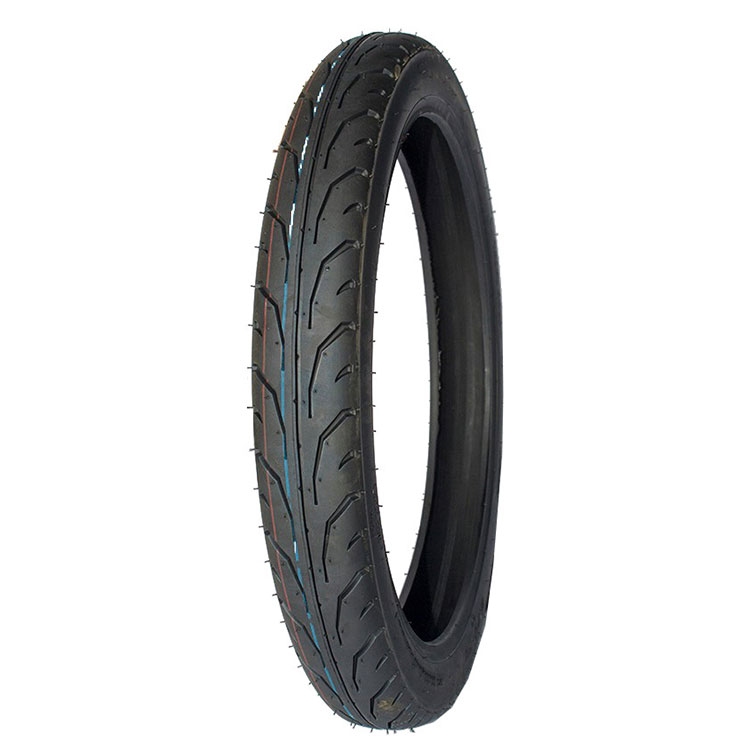
The Primary Functions of Tread
The tread on your Scooter Tyres is not merely decorative; it performs three essential jobs: displacing water, providing traction, and reducing heat buildup. A slick tire offers maximum contact on dry pavement, but a grooved pattern is necessary to channel rain away. Choosing the right pattern depends heavily on your local climate and riding habits.
Common Tread Patterns and Their Benefits
To help you understand what suits your needs, here is a breakdown of the most common designs found on modern Scooter Tyres.
| Tread Pattern | Best For | Performance Characteristic |
|---|---|---|
| Slick / Smooth | Dry, Paved Roads | Maximum contact patch for high-speed grip; no water channeling. |
| Semi-Slick | Mixed Urban Riding | Smooth center with light grooves for light rain; stable cruising. |
| Grooved / Ribbed | Wet Conditions | Deep channels to evacuate water and prevent hydroplaning. |
| Knobby / Block | Off-Road or Gravel | Individual blocks dig into loose surfaces for traction. |
Why Tread Depth Matters
It is not just about the pattern, but the depth of the pattern. As Scooter Tyres wear down, the depth of these grooves decreases. When the tread wears flush with the wear bars, the tire loses its ability to perform its primary function. Shallow tread in wet conditions significantly increases stopping distances. RICHTONE incorporates tread wear indicators in our designs to help you visually gauge when performance is compromised.
The Impact on Handling and Noise
Different tread patterns also affect how your scooter handles corners and how much noise it generates.
-
Cornering: Patterns that extend onto the shoulder of the tire provide confidence while leaning into turns.
-
Noise: Complex tread blocks can sometimes create a humming noise. RICHTONE optimizes block arrangement to minimize this while maximizing grip.
Scooter Tyres FAQ
How do I know if my tread pattern is too worn for safe riding?
You can perform a visual inspection or use the "penny test." Insert a coin into the groove; if you can see the top of the pattern recessed too deeply, it is time for a replacement. More importantly, look for the wear bars molded into the tire. When the tread is level with these raised bars, the tire has reached the legal minimum depth and the pattern can no longer safely displace water. Riding beyond this point puts you at high risk of losing traction in wet conditions.
Can I change to a different tread pattern than what came on my scooter?
Yes, you can typically change the tread pattern as long as you match the correct tire size and load rating for your scooter. However, you must consider your environment. If your scooter originally came with slick tires but you frequently ride on wet roads or loose gravel, switching to a grooved or all-weather pattern from RICHTONE will significantly improve your safety and control.
Do aggressive, knobby tread patterns reduce battery range?
Generally, yes. Aggressive tread patterns, especially those with large, deep blocks (knobbies), create more rolling resistance because the tire deforms more as it rolls and the tread blocks "squirm" on hard pavement. This increased friction requires more energy to maintain speed, which can drain your scooter's battery faster. For riders primarily concerned with maximizing range on paved roads, a slick or semi-slick pattern is more energy-efficient.
Selecting the right tread pattern is essential for optimizing your safety and ride quality. Whether you need maximum grip for wet city streets or durable tread for daily commuting, the right tires make all the difference.
Contact Us today to discuss your riding style and find the perfect RICHTONE tires for your scooter