

How Refrigerated Truck Ensures Cold Chain Reliability
2026-05-06
Abstract
Refrigerated trucks play a critical role in modern logistics by ensuring temperature-sensitive goods remain stable throughout transportation. From food distribution to pharmaceuticals, maintaining a controlled environment is essential to reduce spoilage, preserve safety, and comply with regulatory requirements. This article explores how a refrigerated truck works, the problems it solves, its key components, and how businesses like Runli provide dependable cold chain solutions for global supply networks.
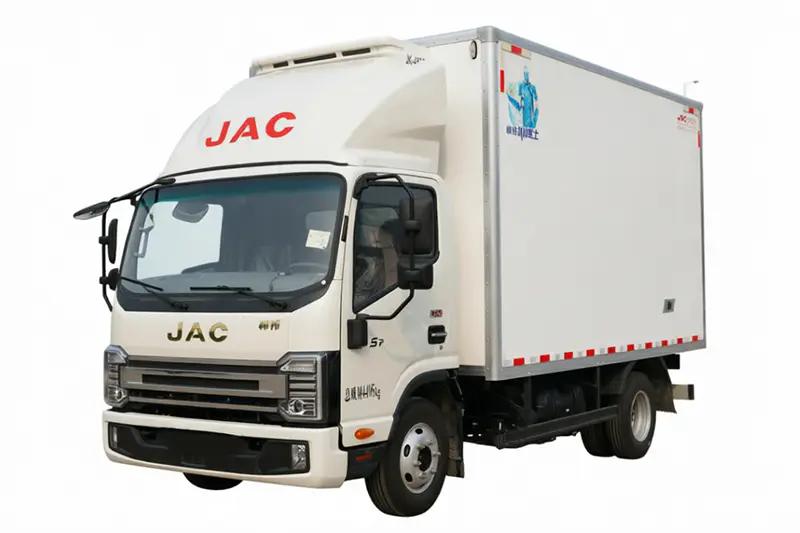
Table of Contents
- Outline
- Introduction
- What is a Refrigerated Truck?
- How a Refrigerated Truck Works
- Key Components
- Industry Pain Points Solved
- Applications
- Buying Considerations
- Maintenance Tips
- Why Choose Runli
- FAQ
- Conclusion
Outline
- Overview of refrigerated transport systems
- Technical working principles of refrigeration units
- Core structural components and their functions
- Logistics challenges solved by cold chain transport
- Industry usage across food, pharma, and chemicals
- Evaluation criteria before purchasing
- Maintenance and operational efficiency strategies
- Runli refrigerated truck solutions overview
- Frequently asked questions
Introduction
In modern logistics, temperature-controlled transportation has become indispensable. A refrigerated truck ensures that perishable goods such as meat, dairy, seafood, vaccines, and chemicals remain within a precise temperature range during transit. Without this technology, supply chains would suffer massive losses due to spoilage, contamination, and quality degradation.
As global trade expands, demand for reliable cold chain systems continues to rise. Companies like Runli provide advanced refrigerated transport solutions designed to improve efficiency and safeguard cargo integrity.
What is a Refrigerated Truck?
A refrigerated truck is a specialized vehicle equipped with a cooling system designed to maintain low temperatures in its cargo compartment. It is widely used in industries that require strict temperature control during transportation.
Unlike standard trucks, refrigerated units include insulated compartments, refrigeration systems, and temperature monitoring devices to ensure stability regardless of external weather conditions.
How a Refrigerated Truck Works
The working principle of a refrigerated truck is based on a closed-loop refrigeration cycle. The system removes heat from the cargo area and expels it outside, maintaining a stable internal environment.
Basic process:
- The compressor pressurizes refrigerant gas.
- The condenser releases heat and converts gas into liquid.
- The expansion valve reduces pressure and temperature.
- The evaporator absorbs heat from the cargo space.
This cycle repeats continuously to ensure consistent cooling throughout transportation.
Key Components
| Component | Function |
|---|---|
| Compressor | Circulates refrigerant and initiates cooling cycle |
| Condenser | Releases heat and converts gas to liquid |
| Evaporator | Absorbs heat from cargo area |
| Insulated Body | Prevents external heat penetration |
| Temperature Controller | Monitors and regulates internal climate |
Industry Pain Points Solved
Refrigerated trucks address several critical logistics challenges:
- Spoilage Reduction: Prevents food and pharmaceutical degradation.
- Regulatory Compliance: Meets strict transport temperature standards.
- Supply Chain Stability: Ensures consistent delivery quality.
- Cost Efficiency: Reduces waste and financial loss.
- Safety Assurance: Maintains product integrity for end users.
Applications
Refrigerated trucks are widely used across multiple industries:
- Food and beverage distribution (meat, dairy, frozen goods)
- Pharmaceutical transport (vaccines, medicines)
- Chemical logistics (temperature-sensitive compounds)
- Floral and agricultural products
- Cosmetic and biotech industries
Buying Considerations
When selecting a refrigerated truck, businesses should evaluate:
- Temperature range capability
- Insulation quality
- Fuel efficiency of refrigeration unit
- Load capacity and compartment size
- Maintenance requirements
- After-sales service and technical support
More details about advanced models can be found at: Runli Refrigerated Truck Solutions
Maintenance Tips
- Regularly inspect refrigeration system components
- Check insulation integrity to prevent heat leakage
- Clean evaporator and condenser units
- Monitor temperature logs for consistency
- Schedule preventive maintenance with certified technicians
Why Choose Runli
Runli is a trusted provider in specialized transportation solutions, offering high-performance refrigerated trucks designed for reliability and efficiency. Their vehicles are engineered with advanced insulation technology and precision cooling systems to ensure optimal performance in demanding logistics environments.
With a strong focus on durability, safety, and innovation, Runli supports businesses in building resilient cold chain networks that minimize risk and maximize product integrity.
FAQ
1. What temperature can a refrigerated truck maintain?
It typically ranges from +5°C to -25°C depending on the refrigeration system.
2. How long can goods stay cold inside a refrigerated truck?
As long as the system is functioning and fuel is available, temperature stability can be maintained for extended durations.
3. Are refrigerated trucks energy efficient?
Modern systems are designed to optimize fuel consumption and reduce operational costs.
4. What industries rely most on refrigerated trucks?
Food, pharmaceuticals, chemicals, and agriculture industries are the primary users.
Conclusion
Refrigerated trucks are a cornerstone of modern cold chain logistics, ensuring that temperature-sensitive goods reach their destination in optimal condition. Their advanced engineering, insulation systems, and precise temperature control mechanisms make them indispensable across global supply networks.
Businesses looking to enhance their logistics reliability can benefit significantly from solutions offered by Runli, a trusted name in specialized transport manufacturing.
For reliable refrigerated truck solutions and professional support, contact Runli today — contact us to get started.