

How Steering Wheel Cover Improves Driving Comfort and Control?
2026-01-29
Article Summary
A steering wheel cover is more than a decorative car accessory. It plays a critical role in improving grip, enhancing comfort during long drives, protecting the original steering wheel, and maintaining interior aesthetics. This article explains how a steering wheel cover addresses common driver pain points such as hand fatigue, slipping, temperature discomfort, and premature wear. By examining materials, performance characteristics, usage scenarios, and maintenance considerations, readers can make informed decisions when selecting the right steering wheel cover for daily driving or professional use.
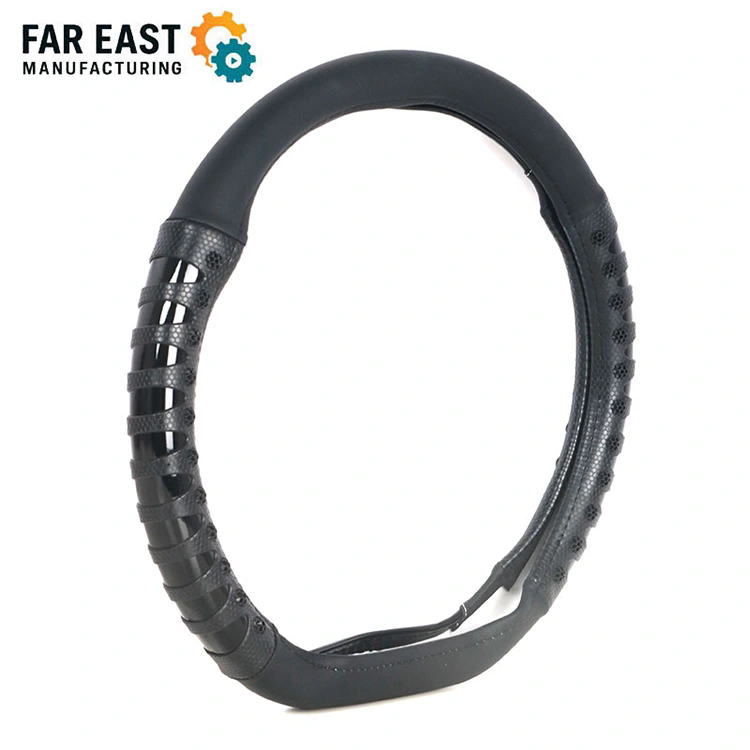
Table of Contents
- Article Outline
- Understanding the Role of a Steering Wheel Cover
- Common Driving Pain Points Solved
- Product Parameters and Key Specifications
- Material Performance and Functional Design
- Usage Scenarios and Practical Benefits
- Frequently Asked Questions
- Conclusion and Contact Us
Article Outline
- Functional value of steering wheel covers
- Comfort, safety, and durability considerations
- Material structure and tactile performance
- Key parameters that define product quality
- Practical use cases for different drivers
- Clear answers to common buyer questions
Understanding the Role of a Steering Wheel Cover
A steering wheel cover is designed to wrap securely around the steering wheel, creating an additional interface between the driver’s hands and the vehicle. While often perceived as a cosmetic upgrade, its primary purpose is functional. Direct contact with the original steering wheel surface can cause discomfort over time, especially during extended driving sessions, extreme weather conditions, or frequent vehicle use.
A properly designed steering wheel cover improves tactile feedback, reduces slippage, and stabilizes hand positioning. It also helps preserve the original steering wheel surface by shielding it from sweat, UV exposure, friction, and daily wear. For drivers seeking improved control and a refined interior experience, the steering wheel cover becomes a practical solution rather than an optional accessory.
Common Driving Pain Points Solved
Many drivers experience subtle but persistent issues that affect driving comfort and confidence. A steering wheel cover directly addresses several of these challenges.
- Hand Fatigue: Hard or smooth steering wheels increase muscle tension. Cushioned covers reduce pressure on palms and fingers.
- Slippery Grip: Sweat or smooth factory materials can reduce friction, especially during long drives or hot weather.
- Temperature Discomfort: Steering wheels can become extremely hot under sunlight or cold in winter conditions.
- Surface Wear: Continuous use leads to peeling, cracking, or discoloration of the original wheel.
- Inconsistent Control: Poor grip affects steering precision during turns, parking, and highway driving.
By improving grip texture and thermal insulation, a steering wheel cover delivers immediate ergonomic benefits without modifying the vehicle itself.
Product Parameters and Key Specifications
| Parameter | Description |
|---|---|
| Applicable Wheel Diameter | Standard passenger vehicle steering wheels, typically 14.5–15 inches |
| Material Composition | Synthetic leather, microfiber, rubber lining, or composite materials |
| Inner Lining | Anti-slip rubber or silicone texture for secure installation |
| Grip Texture | Embossed, perforated, or stitched surface for friction enhancement |
| Temperature Resistance | Designed to reduce heat absorption and cold transfer |
| Installation Method | Stretch-fit or slip-on design without tools |
| Maintenance | Wipe-clean surface with long-term durability |
Material Performance and Functional Design
Material selection determines how a steering wheel cover performs over time. High-quality covers balance softness, durability, and grip. Synthetic leather offers a refined appearance with consistent texture, while microfiber enhances moisture absorption and breathability. Rubberized inner linings prevent unwanted movement, ensuring the cover stays firmly in place even during aggressive steering.
Surface texture is equally important. Perforated designs allow airflow, reducing sweat buildup, while stitched patterns improve tactile feedback. These features contribute to a more controlled steering response, especially during long-distance driving or high-frequency vehicle use.
Manufacturers such as Far East focus on integrating material engineering with ergonomic design to ensure consistent performance across varying climates and driving conditions.
Usage Scenarios and Practical Benefits
A steering wheel cover is suitable for a wide range of driving scenarios. Daily commuters benefit from improved comfort and reduced fatigue, while professional drivers appreciate consistent grip during extended shifts. In regions with strong sunlight or cold winters, the cover acts as a thermal buffer, making the steering wheel immediately usable.
Fleet operators and vehicle owners also use steering wheel covers as a protective measure to preserve resale value. By minimizing wear on the original steering wheel, the interior maintains a cleaner and more uniform appearance over time.
In addition, steering wheel covers allow drivers to personalize the driving environment without altering vehicle structure, making them a flexible and cost-effective upgrade.
Frequently Asked Questions
Q: How does a steering wheel cover improve driving safety?
A: By increasing friction between the hands and the wheel, a steering wheel cover reduces slippage and improves steering precision, especially during turns, braking, and parking maneuvers.
Q: Will a steering wheel cover affect airbag deployment?
A: A properly fitted steering wheel cover does not interfere with airbag systems, as airbags deploy from the center of the wheel, not the rim.
Q: How long does a steering wheel cover typically last?
A: Durability depends on material quality and usage frequency. High-quality covers designed for daily use can maintain performance and appearance for several years with basic maintenance.
Conclusion and Contact Us
A steering wheel cover is a practical enhancement that directly improves comfort, control, and durability. By addressing common driving pain points such as fatigue, slippage, and temperature discomfort, it delivers tangible benefits for both personal and professional drivers. Careful attention to material, fit, and functional design ensures long-term value and consistent performance.
Far East continues to develop steering wheel cover solutions that balance ergonomics, durability, and refined interior aesthetics. For tailored product information, technical details, or sourcing support, contact us today to explore steering wheel cover solutions designed to meet real-world driving needs.