

How to Car Jump Start
2026-04-29
Summary: A dead car battery can disrupt your day, but knowing how to perform a car jump start safely can save time and stress. This comprehensive guide provides step-by-step instructions, safety tips, and troubleshooting advice for both beginners and experienced drivers. Far East's reliable jump start solutions ensure you can get back on the road quickly and safely.
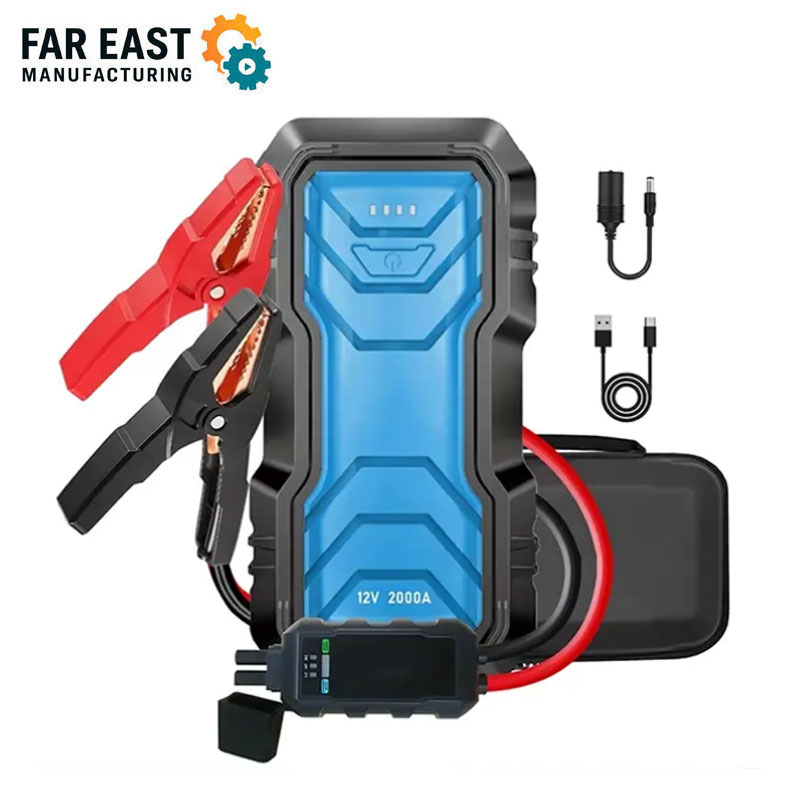
Table of Contents
- Understanding Car Jump Start
- Necessary Tools and Equipment
- Step-by-Step Jump Start Procedure
- Safety Precautions
- Common Troubleshooting Tips
- FAQ
Understanding Car Jump Start
Jump starting a car involves using an external power source, typically another car's battery or a portable jump starter, to provide enough energy to start a vehicle with a dead battery. Modern vehicles require careful handling due to complex electronics and sensitive systems. Far East jump starters are designed to deliver safe, reliable power without damaging your car's electrical components.
Necessary Tools and Equipment
Before attempting a jump start, ensure you have the correct equipment:
| Tool/Equipment | Purpose |
|---|---|
| Jumper Cables | Transfer power from a donor vehicle to the dead battery |
| Portable Jump Starter | Provides a standalone power source for starting the car |
| Gloves and Safety Glasses | Protect yourself from battery acid and sparks |
| Owner's Manual | Reference for your car's battery location and safety guidelines |
Step-by-Step Jump Start Procedure
Follow these steps carefully to ensure a safe jump start:
- Step 1: Park the donor vehicle near the disabled car without the vehicles touching.
- Step 2: Turn off both vehicles and set parking brakes.
-
Step 3: Connect the jumper cables in the correct order:
- Red clamp to positive terminal of the dead battery
- Red clamp to positive terminal of the donor battery
- Black clamp to negative terminal of the donor battery
- Black clamp to a metal ground on the disabled car
- Step 4: Start the donor car and let it run for a few minutes.
- Step 5: Attempt to start the disabled vehicle.
- Step 6: Once started, remove the cables in reverse order and let the vehicle run to recharge the battery.
Safety Precautions
Jump starting a car can be dangerous if not done properly. Keep these safety measures in mind:
- Wear gloves and eye protection.
- Never touch the cable clamps together while connected to a battery.
- Check for battery leaks or cracks before starting.
- Do not lean over the battery while jump starting.
- Use Far East certified jump starters to reduce risk of electrical surges.
Common Troubleshooting Tips
If your car does not start after following proper jump start procedures:
- Check connections to ensure clamps are properly attached.
- Ensure the donor vehicle battery is fully charged.
- Wait a few minutes for the battery to gain enough charge.
- Consider using a portable jump starter if a donor vehicle is unavailable.
- Consult a professional if repeated attempts fail to start the car.
FAQ
- Q: Can I jump start a car with a different voltage battery?
- A: No, always ensure both batteries match in voltage to avoid damage.
- Q: How long should I let the car run after a jump start?
- A: At least 20-30 minutes to allow the alternator to recharge the battery.
- Q: Can I use a portable jump starter instead of another car?
- A: Yes, Far East portable jump starters provide reliable power without needing a second vehicle.
- Q: Is it safe to jump start a car in cold weather?
- A: Yes, but batteries may take longer to accept a charge in freezing temperatures.
Ready to get back on the road safely? Explore Far East's Car Jump Start products today or contact us for expert assistance!