

How to Choose and Maintain the Right Motorcycle Air Filter?
2025-12-26
Article Summary: This article provides an in-depth guide on motorcycle air filters, covering selection criteria, installation techniques, maintenance practices, and frequently asked questions. Designed for riders and motorcycle enthusiasts, the guide emphasizes performance optimization, filter longevity, and practical solutions for everyday use.
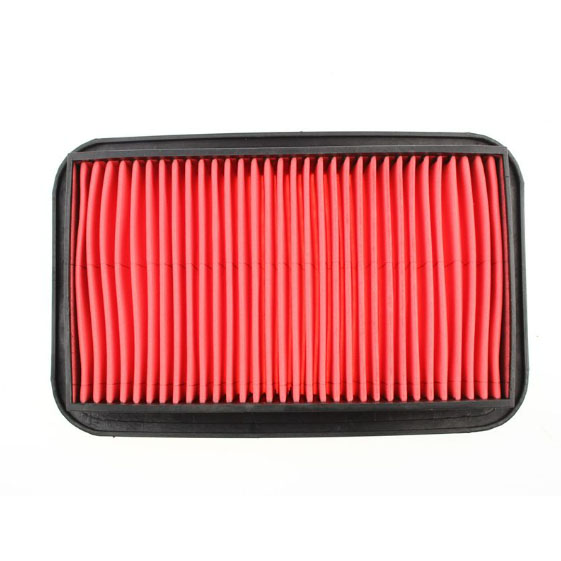
Table of Contents
- Introduction to Motorcycle Air Filters
- How to Select the Optimal Motorcycle Air Filter?
- How to Maintain and Clean Motorcycle Air Filters?
- Frequently Asked Questions about Motorcycle Air Filters
- Conclusion and Contact
Introduction to Motorcycle Air Filters
Motorcycle air filters are essential components designed to prevent dirt, dust, and other contaminants from entering the engine, ensuring consistent airflow and optimal combustion. Selecting the correct air filter can directly influence engine performance, fuel efficiency, and the longevity of motorcycle components.
Motorcycle Air Filter Key Specifications:
| Parameter | Description |
|---|---|
| Filter Type | Pleated Paper / Foam / Cotton Gauze / Oiled Cotton |
| Dimensions | Varies by motorcycle model (standard sizes range from 150mm to 300mm in length) |
| Filtration Efficiency | Up to 99% for particles larger than 5 microns |
| Airflow Rate | Depends on filter type; typically 150–400 CFM |
| Durability | 2000–5000 miles for standard filters; up to 15,000 miles for reusable types |
| Maintenance Type | Disposable or washable/reusable |
The core focus of this article is to provide comprehensive guidance on selecting, installing, and maintaining motorcycle air filters, helping riders enhance engine performance and extend the lifespan of their vehicles.
How to Select the Optimal Motorcycle Air Filter?
Choosing the right motorcycle air filter involves evaluating several key aspects, including filter material, airflow efficiency, and compatibility with the specific motorcycle model. Riders should consider:
- Filter Material: Cotton gauze filters offer high airflow and reusability, foam filters provide superior dust trapping, and paper filters balance cost with efficiency.
- Engine Requirements: High-performance motorcycles may require filters with higher airflow capacities.
- Environmental Conditions: Riding in dusty or off-road conditions may necessitate filters with superior filtration efficiency.
- Maintenance Preference: Washable filters reduce long-term costs, whereas disposable filters require regular replacement.
Professional recommendations often involve checking manufacturer specifications and opting for filters with proven performance records in similar riding environments.
How to Maintain and Clean Motorcycle Air Filters?
Proper maintenance ensures that motorcycle air filters continue to provide optimal protection and performance. Key maintenance practices include:
- Regular Inspection: Examine the air filter every 1,000–2,000 miles or after heavy off-road usage.
- Cleaning Procedure: For reusable filters, gently remove debris using compressed air or filter cleaning solutions. Avoid high-pressure washing which may damage the filter media.
- Oiling (if applicable): Apply a light coat of filter oil to enhance particle trapping for oiled cotton filters.
- Replacement Schedule: Replace disposable filters according to manufacturer recommendations or sooner if excessive dirt accumulation is observed.
Consistent maintenance not only improves engine efficiency but also prevents long-term damage caused by contaminants and restricted airflow.
Frequently Asked Questions about Motorcycle Air Filters
Q1: How often should motorcycle air filters be cleaned or replaced?
A1: Cleaning or replacement frequency depends on the filter type and riding conditions. Paper filters should typically be replaced every 3,000–5,000 miles, while washable cotton or foam filters can be cleaned every 1,000–2,000 miles. Off-road riders may need more frequent maintenance due to higher exposure to dust and dirt.
Q2: Can a dirty air filter reduce motorcycle performance?
A2: Yes. A clogged or dirty air filter restricts airflow to the engine, which can cause reduced acceleration, lower fuel efficiency, and potential engine strain. Regular inspection and timely maintenance ensure optimal engine performance.
Q3: Are reusable air filters better than disposable ones?
A3: Reusable filters provide the advantage of long-term cost savings and superior airflow, while disposable filters are convenient and ensure consistent filtration without the need for cleaning. The choice depends on rider preferences, environmental conditions, and budget considerations.
Conclusion and Contact
Investing in the right motorcycle air filter and maintaining it properly is crucial for engine efficiency, fuel economy, and overall motorcycle longevity. TRF offers a wide range of high-quality motorcycle air filters designed to meet various performance and environmental requirements. For personalized recommendations or product inquiries, contact us directly to ensure optimal motorcycle performance and filter selection.