

How to Choose the Right Car Inner Lining Clips for Durable and Secure Vehicle Interior Installation?
2026-06-03
Abstract
Car inner lining clips are small yet essential components that play a critical role in securing vehicle interior panels, roof liners, door trims, pillar covers, trunk linings, and other automotive interior parts. Choosing the correct clips can prevent rattling noises, panel loosening, costly repairs, and installation difficulties. This comprehensive guide explains everything buyers, distributors, repair shops, and automotive manufacturers need to know about car inner lining clips, including materials, applications, selection criteria, installation tips, common challenges, and purchasing considerations.
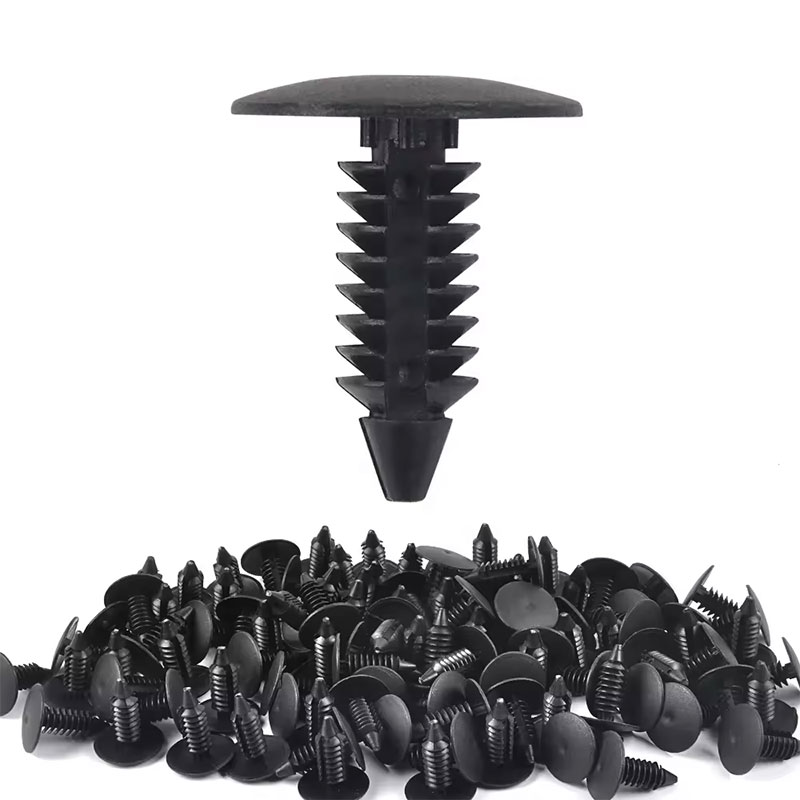
Table of Contents
- Understanding Car Inner Lining Clips
- Why Quality Inner Lining Clips Matter
- Common Applications in Vehicles
- Different Types of Car Inner Lining Clips
- Materials Used in Manufacturing
- How to Choose the Right Car Inner Lining Clips
- Clip Selection Comparison Table
- Common Problems and Solutions
- Installation Best Practices
- What to Look for in a Reliable Supplier
- Frequently Asked Questions
- Conclusion
Understanding Car Inner Lining Clips
Car inner lining clips are fastening components designed to secure interior trim elements to a vehicle's body structure. They provide stable attachment while allowing efficient assembly and maintenance. These clips are widely used in passenger vehicles, commercial vehicles, SUVs, trucks, and electric vehicles.
Although they are often overlooked, inner lining clips directly affect vehicle comfort, appearance, and long-term durability. Poor-quality clips can lead to loose panels, interior vibrations, and recurring maintenance issues.
Modern automotive manufacturers rely on precision-engineered clips to ensure interior components remain firmly secured throughout the vehicle's lifespan.
Why Quality Inner Lining Clips Matter
Many vehicle owners experience annoying interior noises caused by damaged or incorrectly selected clips. In automotive assembly and aftermarket repairs, clip quality significantly impacts performance.
Benefits of high-quality car inner lining clips include:
- Improved interior stability
- Reduced vibration and rattling
- Faster installation efficiency
- Longer service life
- Enhanced vehicle appearance
- Lower maintenance costs
- Better resistance to temperature changes
- Reliable retention strength
For automotive repair professionals, selecting the proper clip from the beginning helps eliminate repeat repairs and customer complaints.
Common Applications in Vehicles
Car inner lining clips are used throughout vehicle interiors. Different vehicle areas require different clip designs based on panel thickness, installation position, and retention requirements.
| Vehicle Area | Purpose of Clip |
|---|---|
| Headliner Panels | Secures roof lining materials |
| Door Trims | Fixes interior door panels |
| A-Pillar and B-Pillar Covers | Maintains secure trim attachment |
| Dashboard Components | Supports decorative and functional panels |
| Trunk Linings | Holds cargo-area trim in place |
| Kick Panels | Secures lower interior coverings |
| Center Console Panels | Provides stable mounting support |
Different Types of Car Inner Lining Clips
Not all clips are identical. Understanding the available styles helps buyers select the correct solution for specific automotive applications.
Push-Type Clips
Push-type clips are among the most commonly used automotive fasteners. They provide quick installation and reliable retention through expandable legs.
Fir Tree Clips
These clips feature multiple ribs that create strong holding power when inserted into mounting holes. They are widely used for interior trim and insulation panels.
Screw Rivet Clips
Screw rivet clips combine the advantages of screws and plastic retainers, making them ideal for applications requiring additional holding force.
Expansion Clips
Expansion clips expand after insertion to lock components securely in place, reducing the risk of accidental removal.
Trim Panel Retainers
These clips are specifically designed for door panels, dashboards, and interior decorative components.
Materials Used in Manufacturing
Material selection directly influences clip durability and performance.
| Material | Advantages | Typical Applications |
|---|---|---|
| Nylon (PA66) | High strength and temperature resistance | Premium interior trim systems |
| Polypropylene (PP) | Lightweight and economical | General interior panels |
| POM | Excellent dimensional stability | Precision automotive components |
| ABS | Good impact resistance | Decorative trim applications |
Among these materials, nylon is often preferred for demanding automotive environments because it offers superior durability and resistance to wear.
How to Choose the Right Car Inner Lining Clips
Selecting the correct clip requires more than simply matching appearance. Several technical factors must be considered.
1. Hole Diameter Compatibility
The clip must match the mounting hole diameter accurately. An oversized or undersized clip may fail to provide adequate retention.
2. Panel Thickness
Different trim panels require clips designed for specific material thickness ranges.
3. Retention Force Requirements
Areas exposed to vibration require stronger retention mechanisms than static interior sections.
4. Environmental Conditions
Temperature fluctuations, humidity, and UV exposure should influence material selection.
5. Vehicle Manufacturer Specifications
Whenever possible, replacement clips should match original equipment specifications.
6. Ease of Installation and Removal
Maintenance-friendly designs can significantly reduce labor time during repairs.
Clip Selection Comparison Table
| Selection Factor | Why It Matters | Recommendation |
|---|---|---|
| Hole Size | Ensures proper fit | Measure before purchasing |
| Material | Affects durability | Choose nylon for demanding environments |
| Retention Strength | Prevents panel loosening | Select according to vibration level |
| Temperature Resistance | Maintains long-term performance | Use automotive-grade materials |
| Vehicle Compatibility | Ensures proper installation | Verify OEM specifications |
Common Problems and Solutions
Automotive technicians frequently encounter issues related to worn or incorrect clips.
Problem: Interior Panel Rattling
- Cause: Loose or damaged clips
- Solution: Replace with correctly sized automotive-grade clips
Problem: Difficult Installation
- Cause: Incorrect hole diameter matching
- Solution: Verify dimensions before installation
Problem: Clip Breakage During Removal
- Cause: Aging plastic material
- Solution: Use replacement clips made from high-quality nylon
Problem: Repeated Panel Detachment
- Cause: Insufficient retention force
- Solution: Upgrade to stronger fastening designs
Installation Best Practices
Proper installation is just as important as selecting the correct clip.
- Inspect mounting holes before installation.
- Remove broken clip fragments completely.
- Use proper trim removal tools.
- Avoid excessive force during insertion.
- Check panel alignment before final locking.
- Replace damaged clips rather than reusing them.
- Store clips in dry, clean environments.
Following these practices can significantly improve installation quality and extend service life.
What to Look for in a Reliable Supplier
The quality of automotive clips largely depends on the manufacturing process and supplier capabilities.
Key supplier qualifications include:
- Extensive automotive fastener experience
- Consistent quality control procedures
- Wide product selection
- Custom development capabilities
- Stable production capacity
- Responsive technical support
- Global shipping capability
- Competitive wholesale pricing
Professional buyers often prefer suppliers capable of providing both standard and customized clip solutions to meet varying project requirements.
Frequently Asked Questions
Q1: Are all car inner lining clips universal?
No. Clip dimensions, hole sizes, retention designs, and material specifications vary significantly among vehicle models and applications.
Q2: What is the best material for automotive interior clips?
Nylon PA66 is commonly regarded as one of the most durable materials due to its strength, wear resistance, and temperature stability.
Q3: How do I identify the correct replacement clip?
Measure the mounting hole diameter, panel thickness, and original clip dimensions. Comparing these specifications helps ensure compatibility.
Q4: Can damaged clips cause interior noise?
Yes. Loose or broken clips are among the most common causes of rattling interior panels.
Q5: Should clips be replaced during trim removal?
If clips show signs of wear, cracking, or deformation, replacement is strongly recommended to maintain proper retention.
Conclusion
Choosing the right car inner lining clips is essential for maintaining vehicle interior quality, stability, and long-term performance. From headliners and door panels to trunk linings and dashboard components, properly selected clips help prevent noise, improve installation efficiency, and extend the lifespan of interior assemblies.
Understanding clip types, material characteristics, compatibility requirements, and installation practices enables buyers and automotive professionals to make informed purchasing decisions. High-quality clips not only improve vehicle appearance but also reduce maintenance costs and enhance customer satisfaction.
Qeepei Auto (Ningbo) Co., Ltd specializes in supplying high-quality automotive fasteners, trim retainers, plastic clips, and vehicle interior fixing solutions for global customers. Whether you are an automotive parts distributor, wholesaler, repair workshop, or vehicle manufacturer, our professional team can help you find the most suitable car inner lining clips for your applications.
Looking for reliable quality, competitive pricing, and customized automotive clip solutions? Contact us today to discuss your requirements and discover how Qeepei Auto (Ningbo) Co., Ltd can support your business growth with dependable automotive fastening products and expert service.