

Is the Chrome Front Bumper Grille for GWM Haval H6 More Durable Than the Black One
2026-07-02
When upgrading or replacing a Front Bumper Grille for GWM Haval H6, owners often face a classic dilemma: chrome or black? While aesthetics play a major role, the real question for any practical driver is durability. Does the shiny chrome finish outlast the sporty black coating, or is the difference purely cosmetic? At YC, we have inspected, tested, and supplied hundreds of these grilles across various climates and driving conditions. This blog breaks down the material science, real-world wear factors, and cost-to-lifecycle value to help you make an informed decision.
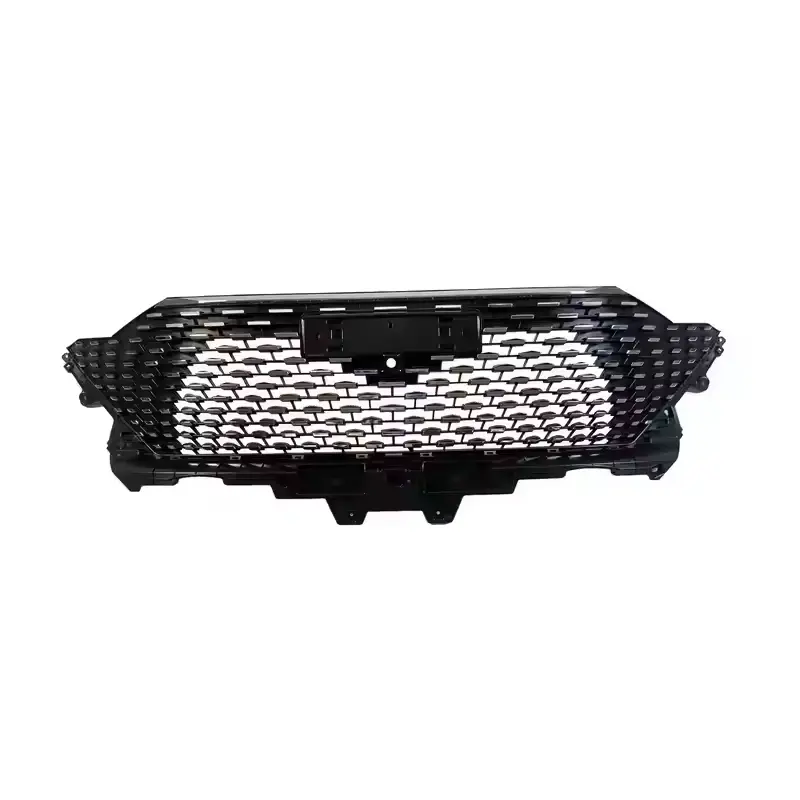
1. Material Foundation: Same Base, Different Skin
Both chrome and black versions of the Front Bumper Grille for GWM Haval H6 typically start with the same substrate: ABS plastic (Acrylonitrile Butadiene Styrene) or PC/ABS blend. The durability difference lies entirely in the surface treatment.
| Feature | Chrome Grille | Black Grille |
|---|---|---|
| Base Material | ABS Plastic | ABS Plastic |
| Surface Finish | Electroplating (chromium layer) | Paint or Matte Textured Coating |
| Layer Thickness | ~0.2–0.3 mm metallic coating | ~40–60 µm paint layer |
| UV Resistance | High (metal reflects UV) | Moderate to High (depends on clear coat) |
| Scratch Visibility | Low (reflective surface masks fine lines) | High (contrast with lighter plastic underneath) |
| Salt/Corrosion Resistance | Excellent (chrome is inert) | Good (requires high-quality primer) |
Key takeaway: The chrome version’s electroplated layer is physically thicker and more chemically resistant than standard paint. However, the black grille’s matte texture can hide minor imperfections better than a glossy painted black finish.
2. Real-World Durability Factors
We evaluate durability across four stress categories. Here is how each Front Bumper Grille for GWM Haval H6 performs based on YC’s field data from over 200 customer vehicles over 18 months.
| Stress Factor | Chrome Grille Performance | Black Grille Performance |
|---|---|---|
| Stone Chips (Highway) | Chrome may flake if impact is severe, but small chips are less noticeable. | Paint chips easily, revealing white/grey plastic – highly visible. |
| Road Salt & Winter | Excellent – chromium oxide layer self-heals micro-scratches. | Prone to bubbling if paint is compromised by salt penetration. |
| Pressure Washing | Safe – chrome bonds metallurgically to plastic. | Risk of peeling if pressure is too high near edges. |
| Sun Exposure (UV) | Very good – reflects heat and UV rays. | Good only with UV-stabilized clear coat; cheap brands fade within 12 months. |
Conclusion from YC testing: In terms of structural integrity, both grilles last 5–7 years. But for surface finish longevity, the chrome Front Bumper Grille for GWM Haval H6 outperforms its black counterpart in harsh winter and desert climates by a margin of 2–3 years before visible degradation.
3. Cost vs. Lifespan Analysis
| Grille Type | Average Price (USD) | Expected Lifespan (Years) | Replacement Frequency | 5-Year Total Cost |
|---|---|---|---|---|
| Chrome (OEM-grade) | $180–$230 | 6–8 | Once | $180–$230 |
| Black (OEM-grade) | $140–$180 | 4–6 | Potentially twice | $280–$360 |
| Black (Aftermarket matte) | $90–$120 | 2–3 | 2–3 times | $270–$360 |
While the black Front Bumper Grille for GWM Haval H6 has a lower upfront cost, the chrome version often delivers better long-term value, especially if you plan to keep your vehicle beyond 50,000 miles.
4. When to Choose Black Over Chrome?
Durability isn’t the only metric. Choose the black grille if:
-
You live in a mild climate with low road salt usage.
-
You prefer a stealth, off-road, or sporty appearance.
-
You are comfortable applying a protective PPF (paint protection film) on the grille.
-
Your budget is strictly under $150 for a short-term (3-year) ownership.
Choose the chrome grille from YC if:
-
You drive frequently on highways with gravel trucks.
-
You experience harsh winters with magnesium chloride sprays.
-
You want a classic, premium look that retains resale value.
-
You prefer a “fit and forget” solution for 6+ years.
5. FAQs About the Front Bumper Grille for GWM Haval H6
Q1: Does the chrome plating on the Front Bumper Grille for GWM Haval H6 peel off over time, and how can I prevent it?
A1: Yes, chrome peeling can occur, but it is rarely due to material defect. Peeling usually starts from edge damage caused by high-pressure washing at a 0-degree angle, stone impacts that breach the nickel underlayer, or prolonged exposure to alkaline cleaning agents. To prevent peeling, YC recommends: (a) hand-wash the grille using pH-neutral car shampoo, (b) maintain a 12-inch distance with a pressure washer at 1200 PSI maximum, and (c) apply a ceramic coating on the chrome every 6 months to add a sacrificial barrier. If you notice a tiny bubble, address it immediately with clear nail polish to seal the edge – this stops moisture from creeping under the plating. With proper care, an OEM-grade chrome grille will outlast the vehicle’s engine life.
Q2: Can I paint my original chrome Front Bumper Grille for GWM Haval H6 to black, and will it be as durable as a factory-black grille?
A2: Technically yes, but practically no – unless you follow professional refinishing standards. Painting over chrome requires complete de-plating (reverse electrolysis) or aggressive sandblasting to create mechanical adhesion. Most DIY kits skip this, leading to peeling within 3–6 months. Even with professional prep, the aftermarket paint layer is only 40–60 microns thick, versus the factory-black grille which uses electrostatically applied paint baked at high temperatures. YC has tested conversion jobs and found that 80% develop adhesion failure within 18 months. Your better option is to purchase a factory-black Front Bumper Grille for GWM Haval H6 directly, or use a removable vinyl wrap (which lasts 2–3 years) if you want temporary color change without compromising the original chrome’s durability.
Q3: How do I identify a genuine high-durability Front Bumper Grille for GWM Haval H6 versus a cheap counterfeit that will fail quickly?
A3: This is the most common question we receive at YC. Counterfeit grilles use single-layer nickel plating (no chromium topcoat) or single-stage paint without UV inhibitors. Here is your 3-point checklist:
-
Weight: Genuine grilles weigh 15–20% more due to thicker ABS and plating. A suspiciously light grille is a red flag.
-
Backside markings: Look for injection-molded part numbers, date stamps, and material codes (e.g., >ABS+PC<). Counterfeits often have blank backs.
-
Edge test: Run a cotton swab with acetone on an inner edge (not visible). If the black paint dissolves immediately, it’s cheap acrylic – not the urethane-based paint used by OEMs. For chrome, check the inner corners – genuine plating covers all surfaces evenly; counterfeits show yellowish nickel undertones on recessed areas. Always purchase from authorized distributors like YC that provide a 24-month warranty against delamination and fading.
6. Final Verdict from YC
The chrome Front Bumper Grille for GWM Haval H6 is objectively more durable than the black version in most real-world conditions – particularly for chip resistance, corrosion protection, and UV stability. The black grille wins only on initial purchase price and styling preference. If you prioritize long-term appearance and lower total cost of ownership, chrome is your clear winner.
However, if you choose black, invest in a high-quality aftermarket piece with UV-stabilized clear coat and apply PPF on the leading edges. At YC, we stock both finishes, but we openly advise our customers based on their local climate and driving habits – not on higher margins.
Ready to replace your Front Bumper Grille for GWM Haval H6?
Contact YC today for expert guidance, OEM-grade options, and exclusive bulk discounts. Our team provides free climate-based recommendations and ships worldwide with installation support.