

What Are the Signs of a Worn-Out Brake Pad Set
2026-01-06
Your vehicle's braking system is its most critical safety feature, and at the heart of it are the Brake Pad Sets. Recognizing the early warnings of wear can prevent costly repairs and ensure your safety on the road. At Syhower, we believe in empowering drivers with knowledge to make informed decisions about their vehicle maintenance. Ignoring these signs doesn't just compromise performance; it risks your safety and the safety of others.
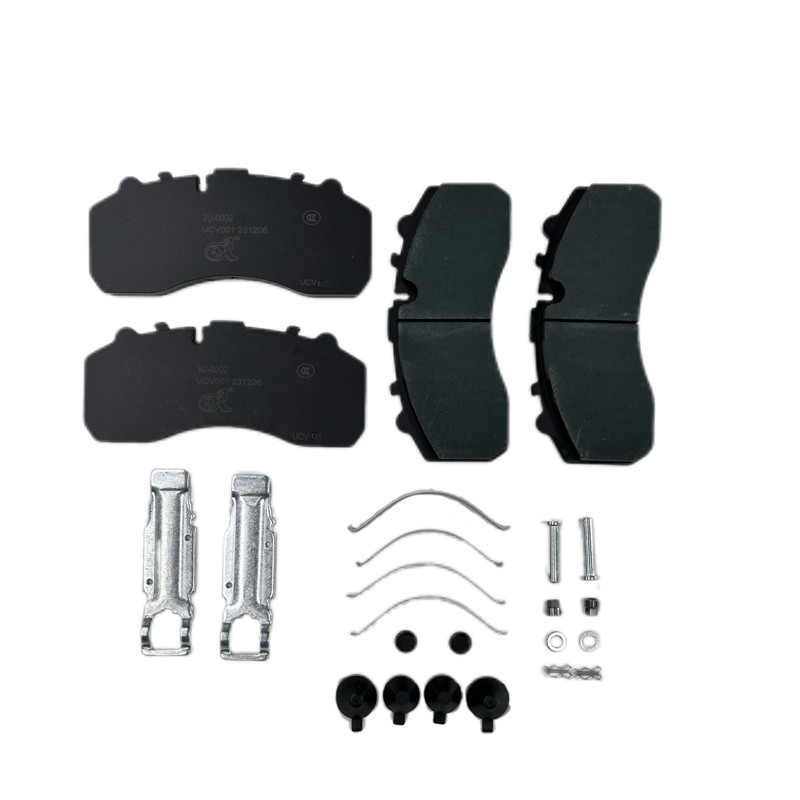
Key Indicators Your Brake Pads Need Attention
Listen and feel for these clear signals from your vehicle:
-
High-Pitched Squealing or Screeching: This is the most common alert. Most Brake Pad Sets include a thin metal shim called an indicator. When the pad material wears down, this indicator contacts the rotor, creating a sharp, persistent noise designed to get your attention.
-
Grinding or Growling Noise: A harsh, metal-on-metal grinding sound is a serious warning. It means the friction material is completely worn away, and the pad's backing plate is now scoring into the brake rotor. This requires immediate service to avoid extensive damage.
-
Reduced Responsiveness or Longer Stopping Distance: If the pedal feels softer, goes closer to the floor, or your vehicle takes longer to stop, your pads may be severely worn.
-
Vibration or Pulsation in the Brake Pedal: While this can indicate warped rotors, it is often a result of prolonged use with worn pads causing uneven rotor wear.
-
Visual Clues (The Coin Test): You can often check pad thickness visually through the wheel spokes. If the friction material appears less than ¼ inch (about 3mm) thick, it's time for a new set.
Brake Pad Wear Comparison Table
| Condition | Pad Thickness | Sound | Brake Pedal Feel | Recommended Action |
|---|---|---|---|---|
| New/Healthy Pads | > 6mm (1/4 inch) | Quiet | Firm and responsive | Regular monitoring |
| Worn Pads | ~ 3mm (1/8 inch) | Intermittent squeal | Slightly less firm | Plan replacement soon |
| Severely Worn Pads | < 3mm | Constant screech/grind | Soft, may vibrate | Immediate replacement required |
| Metal-on-Metal | 0mm (backing plate) | Loud grinding | Poor, noisy, damaging rotors | Stop driving; tow to service |
Brake Pad Set FAQ
Q: How often should I replace my Brake Pad Set?
A: There's no single mileage interval. It depends on driving habits, conditions, and pad material. Typically, pads last between 30,000 and 70,000 miles. Regular inspection every 12 months or 12,000 miles is the best practice.
Q: Can I replace just one brake pad?
A: No. Brake Pad Sets should always be replaced in axle sets (both front or both rear). Replacing only one creates uneven braking force, leading to pulling, accelerated wear, and safety hazards.
Q: Are more expensive ceramic brake pads worth it?
A: Syhower premium ceramic Brake Pad Sets offer distinct advantages: they produce less dust, are quieter, and provide consistent performance in various conditions. While the initial cost is higher, they often provide better long-term value and comfort for daily drivers.
Don't wait for a minor warning to become a major repair. If you've noticed any of the signs mentioned above, it's time for a professional inspection. Trust the experts at Syhower to provide high-quality, reliable Brake Pad Sets and expert service to keep your vehicle stopping safely and smoothly. Contact us today to schedule a brake check or to find the perfect Syhower brake components for your vehicle.