

What is the Typical Lifespan of a Used Hybrid Transit Bus?
2025-12-24
The lifespan of a used hybrid bus is influenced by multiple factors including engine type, battery management, route conditions, and maintenance schedules. At Ningbo Haishu Honglong Automobile Service Co., Ltd., our experience with urban fleets has shown that properly maintained hybrid buses can remain operational for over a decade. Our technical team emphasizes regular inspection of both electric and diesel systems, ensuring that our vehicles deliver consistent performance throughout their service life. When customers consider purchasing a Used Hybrid Bus, they are evaluating not only mileage and age but also how the vehicle has been serviced and whether critical components have been replaced or upgraded.
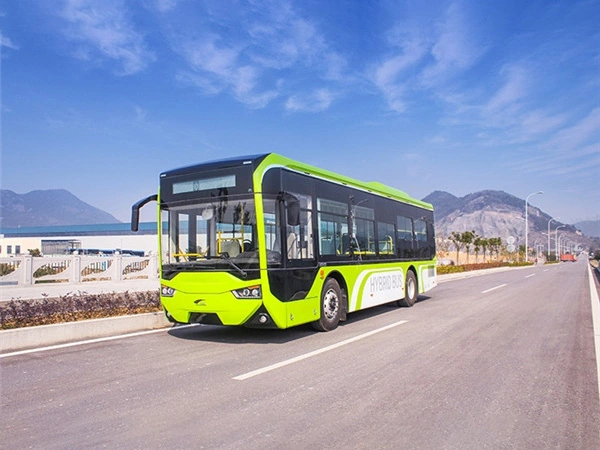
What Maintenance Practices Extend the Lifespan of a Used Hybrid Bus?
Regular maintenance is key to maximizing the life of a Used Hybrid Bus. Our service schedules include battery monitoring, engine tune-ups, brake system checks, and fluid replacements. In our factory, we implement standardized inspection procedures that help operators identify early signs of wear, reducing the likelihood of unexpected failures. Our technicians recommend detailed record-keeping for every service, which allows our team to forecast potential component replacements and maintain consistent operational efficiency.
Battery health is particularly critical. Modern hybrid buses rely on lithium-ion or nickel-metal hydride batteries, which gradually lose capacity over time. Our engineers provide guidance on battery diagnostics and replacement schedules to help fleets avoid significant performance drops. Similarly, drivetrain components and regenerative braking systems require periodic calibration to maintain smooth operation and minimize stress on mechanical parts.
How Vehicle Usage Patterns Affect a Used Hybrid Bus Lifespan
The routes and driving conditions of a used hybrid bus directly impact its long-term durability. Frequent stop-and-go traffic increases wear on brakes and transmissions, while highway driving stresses engine cooling and battery management systems differently. At Ningbo Haishu Honglong Automobile Service Co., Ltd., our fleet analysis considers average route distances, elevation changes, and load patterns to recommend optimal usage scenarios. Our team has found that buses operated on moderate routes with balanced driving habits tend to reach or exceed the upper range of typical service life expectations.
Operators also benefit from monitoring fuel efficiency and energy recovery rates. Our data-driven approach allows us to advise on adjustments to reduce excessive strain on hybrid components. Proper scheduling and operator training are equally important, as driving behavior can accelerate component fatigue if not carefully managed.
Which Key Components Determine the Longevity of a Used Hybrid Bus?
The critical components that define the operational lifespan include the battery pack, electric motor, diesel engine, transmission, and braking system. Our factory evaluates each system for performance degradation over time. Understanding which parts are most prone to wear allows us to provide precise recommendations on replacement intervals and preventive maintenance strategies. When selecting a Used Hybrid Bus, customers should prioritize vehicles with a documented history of component servicing to maximize remaining operational life.
The table below illustrates typical lifespan ranges for key hybrid bus components based on our data and industry standards.
| Component | Expected Lifespan (Years) | Replacement Considerations | Notes |
| Battery Pack | 6–10 | Replace or refurbish when capacity drops below 80% | Battery health monitoring is essential for reliable operation |
| Diesel Engine | 12–15 | Overhaul after high mileage or fuel efficiency decline | Regular oil and filter maintenance extends service life |
| Transmission | 10–12 | Inspect and service gear components regularly | Hybrid systems require integration checks with electric drive |
| Braking System | 8–10 | Monitor pads and regenerative braking components | Stop-and-go city driving increases wear rates |
How Environmental Factors Influence Used Hybrid Bus Durability
Environmental conditions play a significant role in determining the lifespan of a Used Hybrid Bus. Harsh climates, high humidity, and corrosive urban air can accelerate deterioration of metal components and electrical connections. Our engineers at Ningbo Haishu Honglong Automobile Service Co., Ltd. recommend protective coatings and regular inspections to mitigate environmental damage. Fleet operators benefit from periodic cleaning and anti-corrosion treatments to maintain both mechanical and electronic systems.
Temperature extremes also affect battery performance and regenerative braking efficiency. Our team monitors voltage and thermal data to advise on adjustments that prevent overheating or deep discharging, extending battery life and maintaining overall bus reliability.
What Are the Common Warning Signs of Wear in a Used Hybrid Bus?
Recognizing early indicators of wear allows our service team to implement preventative measures. Our factory advises monitoring fuel consumption trends, battery voltage fluctuations, abnormal engine noises, and increased brake pedal travel. Identifying these signs early can prevent costly downtime and maintain fleet efficiency. When buyers consider a Used Hybrid Bus, vehicles with well-documented maintenance records are preferable, as they provide insight into how these warning signs were managed during prior service cycles.
Proper driver training and operational monitoring also reduce the risk of component stress. Our maintenance programs often combine mechanical inspections with operator feedback to create a comprehensive picture of bus health.
Performance Metrics and Usage Records for Longevity Assessment
Tracking mileage, energy consumption, and maintenance intervals is critical for evaluating the remaining service life of a Used Hybrid Bus. Our team uses historical performance data to estimate wear rates and predict component replacement schedules. These records allow operators to make informed decisions when purchasing or integrating used buses into existing fleets. We also provide consultation on extending service life through optimized scheduling, regular system checks, and timely part replacements.
The following table summarizes typical operational benchmarks for Used Hybrid Buses based on accumulated mileage and system performance.
| Operational Metric | Benchmark Range | Maintenance Focus | Notes |
| Annual Mileage | 30,000–50,000 km | Regular engine and battery check-ups | High mileage accelerates wear on all components |
| Battery Cycles | 1,200–1,500 | Capacity testing and cell balancing | Critical for energy storage performance |
| Engine Hours | 4,000–6,000 hours | Oil changes and component inspection | Tracks engine utilization for maintenance planning |
| Brake Cycles | 15,000–25,000 | Pad and regenerative brake assessment | Urban driving patterns heavily influence wear |
FAQ: What is the Typical Lifespan of a Used Hybrid Transit Bus?
Q1: How long can a used hybrid bus operate reliably with proper maintenance?
With consistent servicing and adherence to recommended schedules, a Used Hybrid Bus can operate reliably for 10–12 years. Battery replacement and engine overhauls are typically required during this period to maintain peak performance and safety standards.
Q2: Do route conditions significantly affect hybrid bus longevity?
Yes, buses that operate on frequent stop-and-go urban routes experience higher brake and battery wear. Buses used on longer, steady routes generally show slower wear rates. Monitoring route patterns helps our team provide tailored maintenance strategies.
Q3: Which components usually limit the lifespan of a used hybrid bus?
The battery pack and diesel engine are often the first limiting factors. Regular inspections and timely replacement of worn components, including transmission and braking systems, are crucial for maximizing overall bus life.
Conclusion
The typical lifespan of a Used Hybrid Bus depends on maintenance practices, operational patterns, environmental exposure, and the condition of key components such as batteries, engines, and braking systems. At Ningbo Haishu Honglong Automobile Service Co., Ltd., our factory provides technical guidance, preventive maintenance programs, and high-quality used buses to ensure fleets achieve maximum service life. If you are evaluating options for expanding or upgrading your fleet, contact our experts today to discuss how we can help optimize your bus operations and reduce total cost of ownership.