

What Maintenance Tips Extend the Life of Agricultural Tires
2025-12-30
The performance and longevity of your Agricultural Tires are critical to farm productivity and operational costs. Proper maintenance is not just about preventing punctures; it's a strategic practice that protects your investment, enhances machine efficiency, and preserves soil health. At JABIL, we understand that your equipment is the backbone of your operation, which is why we engineer our Agricultural Tires for durability and support them with expert guidance. Implementing a consistent maintenance routine can dramatically extend tire service life, ensuring you get the maximum return from every season.
A proactive maintenance plan revolves around three core pillars: regular inspection, correct operation, and proper storage.
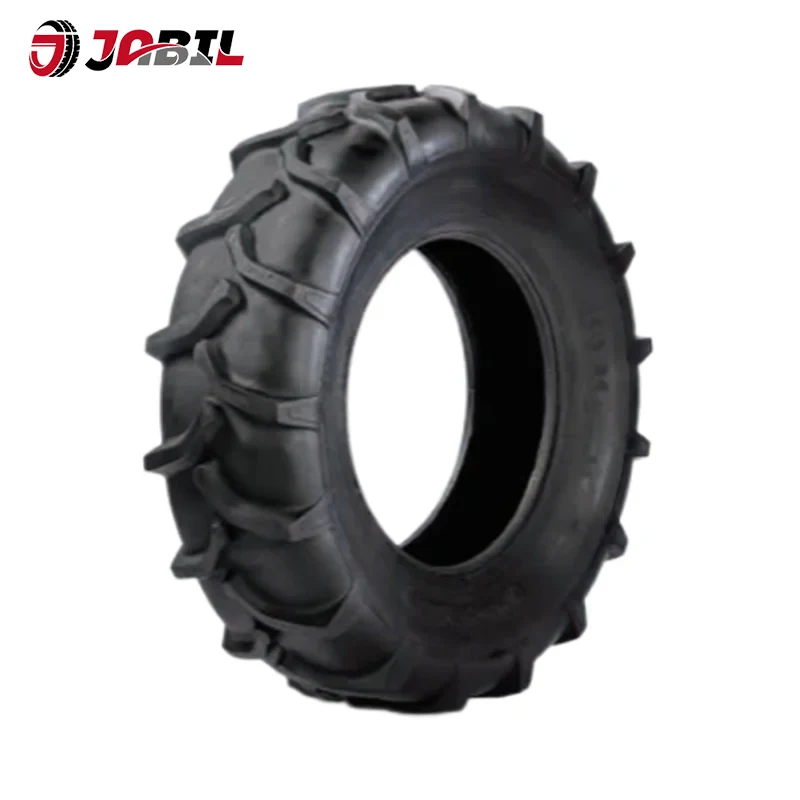
Essential Maintenance Checklist:
-
Pressure Checks: Inflate to the manufacturer's recommended PSI weekly and before every major operation. Under-inflation is the leading cause of premature wear and sidewall damage.
-
Visual Inspections: Before and after use, scan for cuts, cracks, embedded objects, and uneven wear patterns.
-
Cleanliness: Regularly remove caked-on mud, debris, and chemicals that can degrade rubber compounds.
-
Valve Cap Integrity: Ensure all valve caps are secure and in good condition to prevent pressure loss and dirt ingress.
-
Load Management: Never exceed the tire's maximum load rating, as overloading creates excessive heat and stress.
The Impact of Inflation on Tire Wear & Performance:
| Tire Condition | Effect on Wear | Effect on Performance | Soil Impact |
|---|---|---|---|
| Under-Inflated | Rapid shoulder wear, sidewall cracking | Increased rolling resistance, higher fuel costs | Increased soil compaction |
| Correctly Inflated | Even tread wear, optimal life | Designed traction and flotation, best fuel efficiency | Minimized compaction |
| Over-Inflated | Rapid center tread wear, harsh ride | Reduced traction and contact area | Increased surface pressure |
Agricultural Tires FAQ
Q: How often should I check the air pressure in my Agricultural Tires?
A: Air pressure should be checked at least once a week during peak use and always before commencing a major fieldwork operation. Check tires when they are "cold" (before operation or at least three hours after stopping) for an accurate reading, as pressure increases with heat during use.
Q: What is the most common mistake that shortens the life of Agricultural Tires?
A: Chronic under-inflation is the most significant offender. It causes the tire sidewalls to flex excessively, generating internal heat that breaks down the rubber, leads to sidewall failure, and promotes uneven tread wear. It also increases the contact patch incorrectly, leading to higher soil compaction.
Q: Can I use the same Agricultural Tire for all my machines and field conditions?
A: While versatile, optimal performance and longevity come from using tires designed for specific applications. For example, a high-traction lug pattern is ideal for tillage, while a wider, low-pressure tire is better for transport or on sensitive soils. Consulting with a specialist, like the team at JABIL, can ensure you select the right tire design and compound for your primary tasks.
Extending the life of your Agricultural Tires is a direct investment in your farm's efficiency and bottom line. By following these disciplined maintenance tips, you safeguard your equipment’s performance season after season. For personalized advice tailored to your specific machinery, soil types, and challenges, the experts at JABIL are ready to help.
Contact us today for a consultation and discover how the right JABIL tire and care strategy can work harder for you.