

A radiator thermostat is a small but critical component in an automotive cooling system. Although it occupies limited space inside the engine structure, it plays an important role in maintaining the ideal operating temperature, improving fuel efficiency, reducing unnecessary wear, and supporting long-term engine reliability.
Many vehicle owners and maintenance professionals focus on major cooling components such as radiators, water pumps, and cooling fans, while overlooking the importance of thermostat performance. However, a faulty radiator thermostat can create serious issues, including engine overheating, slow warm-up, poor fuel economy, and unstable temperature control.
This comprehensive guide explains how radiator thermostats work, why they matter, common problems caused by failures, selection considerations, and maintenance knowledge that helps customers make better decisions for vehicle cooling system performance.
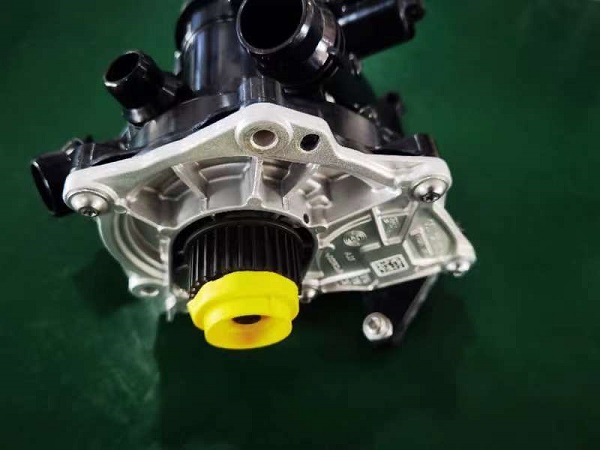
1. Understanding a Radiator Thermostat
A radiator thermostat is a temperature-sensitive control device installed within an engine cooling system. Its main function is to regulate coolant flow between the engine and radiator according to the engine temperature.
When the engine is cold, the thermostat remains closed or partially closed. This prevents coolant from flowing through the radiator too early, allowing the engine to reach its designed operating temperature faster. Once the coolant reaches the thermostat's opening temperature, the valve gradually opens and allows coolant to circulate through the radiator for heat dissipation.
This simple mechanical process helps maintain a stable temperature range under different driving conditions. Whether a vehicle is operating in heavy traffic, highway driving, cold weather, or high-temperature environments, the thermostat continuously responds to temperature changes.
A radiator thermostat does not cool the engine directly. Instead, it controls when and how coolant reaches the radiator, allowing the entire cooling system to work more efficiently.
Modern vehicle engines are designed to operate within a specific temperature range. Running too cold can reduce combustion efficiency, while excessive heat can damage internal engine components. The thermostat acts as a balance point between these two conditions.
2. How a Radiator Thermostat Works
Most automotive radiator thermostats use a wax-filled temperature sensing element. This design provides reliable automatic operation without requiring electronic control in many applications.
Cold Engine Stage
When the engine is started from a cold condition, the coolant temperature is low. The thermostat valve remains closed, limiting coolant circulation through the radiator. This allows the engine block and coolant near the combustion area to warm up quickly.
A faster warm-up period helps reduce friction, improves fuel vaporization, and allows engine oil to reach its effective operating condition sooner.
Temperature Regulation Stage
As coolant temperature increases, the wax element inside the thermostat expands. This expansion pushes the valve mechanism open gradually, allowing more coolant to pass through the radiator.
The radiator then removes excess heat by transferring energy from the coolant to surrounding air. The cooled coolant returns to the engine, creating a continuous temperature control cycle.
High Temperature Protection Stage
During heavy loads, climbing conditions, or high ambient temperatures, the thermostat opens further to maximize coolant circulation. This helps the radiator and cooling fan remove additional heat generated by the engine.
| Operating Condition | Thermostat Position | Main Function |
|---|---|---|
| Cold engine start | Closed | Allows engine temperature to rise quickly |
| Normal operation | Partially open | Maintains stable operating temperature |
| High engine load | Fully open | Maximizes coolant circulation and heat removal |
3. Why Engine Temperature Control Matters
Maintaining the correct engine temperature is essential for performance, efficiency, and durability. A cooling system that cannot regulate temperature properly may cause problems that extend beyond overheating.
Preventing Engine Overheating
One of the most serious consequences of thermostat failure is overheating. If the thermostat remains closed when the engine reaches operating temperature, coolant cannot effectively reach the radiator. The trapped heat may quickly increase engine temperature and create risks such as cylinder head damage or gasket failure.
Supporting Fuel Efficiency
Engines are designed to achieve optimal combustion within a specific temperature range. A thermostat that allows proper warm-up helps the engine operate efficiently, which can contribute to better fuel consumption.
Reducing Mechanical Wear
Cold operation increases internal friction because engine oil may not reach ideal viscosity. A properly functioning thermostat helps shorten warm-up time and supports better lubrication conditions.
Maintaining Stable Performance
Temperature fluctuations can affect engine performance, emissions control systems, and overall driving comfort. A reliable thermostat helps maintain consistent operating conditions.
4. Key Benefits of a Reliable Radiator Thermostat
Choosing a quality radiator thermostat provides several practical advantages for vehicle owners, repair shops, and automotive manufacturers.
- Faster engine warm-up: Helps the engine reach efficient operating temperature sooner.
- Improved cooling system balance: Controls coolant circulation according to actual temperature conditions.
- Reduced risk of overheating: Allows proper coolant flow when temperature increases.
- Better fuel economy: Supports efficient combustion by maintaining suitable engine temperature.
- Longer engine service life: Helps reduce thermal stress and unnecessary mechanical wear.
- More stable vehicle operation: Prevents temperature fluctuations during changing driving conditions.
5. Common Radiator Thermostat Problems and Solutions
Although a radiator thermostat is designed for long-term operation, continuous exposure to heat cycles, coolant conditions, and engine vibration can eventually affect its performance. Recognizing early warning signs helps prevent more expensive cooling system repairs.
Thermostat Stuck Closed
A thermostat that remains closed prevents coolant from reaching the radiator. As a result, heat accumulates inside the engine and the temperature may rise rapidly.
Common symptoms include:
- Engine overheating shortly after operation
- Temperature gauge rising above the normal range
- Coolant boiling or overflow from the expansion tank
- Reduced engine performance under heavy load
If this condition occurs, continuing to drive may cause serious engine damage. The cooling system should be inspected immediately.
Thermostat Stuck Open
A thermostat that remains open allows coolant to circulate continuously, even when the engine is cold. While this may prevent overheating, it creates other performance issues.
- Engine takes longer to reach normal temperature
- Cabin heater performance becomes weak in cold weather
- Fuel consumption may increase
- Engine operates below its designed temperature range
Incorrect Temperature Rating
Using a thermostat with an unsuitable opening temperature can affect the balance of the cooling system. Different engines are designed with specific temperature requirements, so replacement parts should always match the vehicle specifications.
Coolant Contamination Problems
Dirty coolant, corrosion particles, or improper coolant mixtures can affect thermostat movement. Contaminated coolant may restrict valve operation and reduce component service life.
| Problem | Possible Cause | Recommended Action |
|---|---|---|
| Engine overheating | Thermostat stuck closed or restricted coolant flow | Inspect thermostat operation and cooling system condition |
| Slow engine warm-up | Thermostat stuck open | Check opening temperature and replace if necessary |
| Temperature fluctuation | Unstable thermostat movement or coolant issues | Check thermostat, coolant level, and radiator performance |
| Repeated cooling system faults | Incorrect installation or unsuitable component | Verify specifications and installation procedure |
6. How to Select the Right Radiator Thermostat
Choosing a suitable radiator thermostat requires more consideration than simply matching the vehicle model. The thermostat must work correctly with the engine design, cooling system structure, and operating environment.
Confirm Vehicle Compatibility
The first step is checking the exact vehicle application, engine model, production year, and cooling system requirements. Different engines may use different thermostat designs even within the same vehicle series.
Check Opening Temperature Specifications
Every thermostat has a designed opening temperature. This value determines when coolant begins flowing through the radiator. Selecting an incorrect temperature rating may affect engine efficiency and temperature stability.
Evaluate Material Quality
A high-quality thermostat requires durable materials that can withstand repeated temperature changes and long-term coolant exposure.
Important material considerations include:
- Corrosion-resistant metal components
- Stable sealing materials
- Reliable spring performance
- Accurate temperature sensing elements
Consider Manufacturing Precision
Because thermostats operate through precise mechanical movement, manufacturing accuracy directly affects reliability. A properly produced thermostat should open smoothly, close correctly, and maintain consistent temperature control.
Review Supplier Capability
For distributors, repair businesses, and OEM customers, supplier experience is an important factor. A professional manufacturer should provide consistent product quality, technical information, and application support.
Majestic focuses on automotive cooling system components and provides radiator-related products designed to meet different vehicle application requirements. The company supports customers with reliable solutions for radiator system applications.
- Vehicle and engine compatibility
- Correct thermostat opening temperature
- Durable construction materials
- Stable operating performance
- Reliable manufacturing quality
- Suitable supplier technical support
7. Different Types of Radiator Thermostat Designs
Radiator thermostats are available in different designs depending on vehicle requirements, engine configuration, and cooling system layout.
| Thermostat Type | Main Feature | Typical Application |
|---|---|---|
| Wax pellet thermostat | Uses temperature-sensitive wax expansion for valve control | Common automotive cooling systems |
| Electronic thermostat | Uses electronic control for more precise management | Modern engine temperature systems |
| Map-controlled thermostat | Adjusts operation according to engine management signals | Advanced engine platforms |
| Traditional mechanical thermostat | Simple structure and reliable operation | Various passenger and commercial vehicles |
Traditional mechanical thermostats remain widely used because of their simple design, durability, and dependable operation. Advanced electronic versions may provide more precise temperature management for modern engines with complex control systems.
The best choice depends on the vehicle design rather than simply selecting the most advanced technology. Compatibility and reliability should always be the priority.
8. Radiator Thermostat Maintenance and Replacement Guide
Although radiator thermostats usually require little maintenance, proper cooling system care can extend their service life and help identify potential problems early.
Maintain Proper Coolant Quality
Coolant plays an important role in protecting thermostat components. Using the recommended coolant type and maintaining the correct coolant mixture helps reduce corrosion and contamination.
Inspect Cooling System Regularly
During routine vehicle maintenance, technicians should check:
- Coolant level
- Radiator condition
- Water pump performance
- Cooling fan operation
- Signs of coolant leakage
Replace Thermostat When Necessary
A thermostat should generally be replaced when testing confirms malfunction. Replacing it unnecessarily may increase maintenance costs, while delaying replacement after failure can risk engine damage.
Follow Correct Installation Procedures
Incorrect installation may cause leakage, poor sealing, or improper valve operation. During replacement, technicians should follow manufacturer specifications, use suitable seals, and ensure correct installation direction.
A radiator thermostat should always be evaluated as part of the complete cooling system. A new thermostat cannot solve problems caused by radiator blockage, damaged water pumps, insufficient coolant, or electrical cooling fan failures.
9. Frequently Asked Questions About Radiator Thermostats
What is the main function of a radiator thermostat?
A radiator thermostat controls coolant circulation between the engine and radiator according to temperature changes. It helps the engine reach operating temperature quickly and prevents excessive heat buildup.
How do I know if my radiator thermostat is failing?
Common signs include overheating, slow warm-up, unstable temperature readings, poor heater performance, and unusual coolant circulation behavior.
Can a faulty thermostat damage an engine?
Yes. A thermostat stuck closed may cause overheating, while one stuck open may prevent the engine from reaching its designed operating temperature. Both conditions can affect engine performance and durability.
How long does a radiator thermostat usually last?
Service life depends on vehicle usage, coolant quality, operating temperature, and component quality. Regular cooling system maintenance helps maximize thermostat reliability.
Should I replace the thermostat when changing coolant?
Not always. Thermostat replacement depends on its condition, vehicle maintenance recommendations, and inspection results. It should be replaced when performance issues or wear are identified.
Why is the correct thermostat temperature rating important?
The temperature rating determines when coolant circulation begins. Using the correct rating ensures the engine operates within its intended temperature range.
Can a radiator thermostat improve fuel efficiency?
A properly functioning thermostat helps maintain efficient engine temperature, which supports better combustion performance and may contribute to improved fuel economy.
Conclusion: Choosing a Reliable Radiator Thermostat for Better Cooling Performance
Although a radiator thermostat is a small component, its influence on engine performance, cooling efficiency, and vehicle reliability is significant. By controlling coolant circulation, it helps maintain the balance between quick warm-up and effective heat management.
When selecting a radiator thermostat, customers should consider compatibility, temperature specifications, material quality, manufacturing precision, and supplier reliability. A suitable thermostat works together with the radiator, water pump, coolant, and other cooling components to create a stable engine operating environment.
With professional manufacturing experience and a focus on automotive cooling solutions, Majestic provides radiator-related products designed for dependable performance in different applications.
Need a Reliable Radiator Thermostat Solution?
Majestic specializes in automotive radiator components and cooling system solutions, providing products designed for durability, stable performance, and different vehicle application requirements.
Whether you are looking for radiator thermostats, cooling system components, or customized automotive solutions, Majestic can provide professional support based on your project needs.
Visit the product page: Radiator Thermostat to learn more about available solutions.
If you need technical assistance, product information, or cooperation support, please feel free to contact us. Our team is ready to help you find a suitable radiator thermostat solution for your market and application.