

What Makes Rear Diffusers Popular Land Rover Parts for Styling?
2026-11-17
Rear diffusers have become a popular styling choice among Land Rover owners who want to give their vehicles a more distinctive and purposeful appearance. Positioned along the lower section of the rear bumper, a diffuser can add visual depth, emphasise the width of the rear end and create a more performance-inspired look. For owners upgrading their vehicles with Land Rover Parts, it offers a relatively focused way to change the appearance of the rear bumper without replacing the entire bodywork.
The appeal is not limited to appearance alone. A well-designed rear diffuser should follow the original bumper contours, maintain suitable clearance around exhaust outlets and fit securely with the vehicle's existing mounting structure. Material, finish, model-year compatibility and installation details all influence the final result. Zhejiang Aori Auto Parts Co., Ltd. specialises in automotive exterior parts and mould-related manufacturing, with a product focus that includes Land Rover and Jaguar applications. Understanding these factors helps buyers choose exterior components that look integrated rather than like an afterthought.
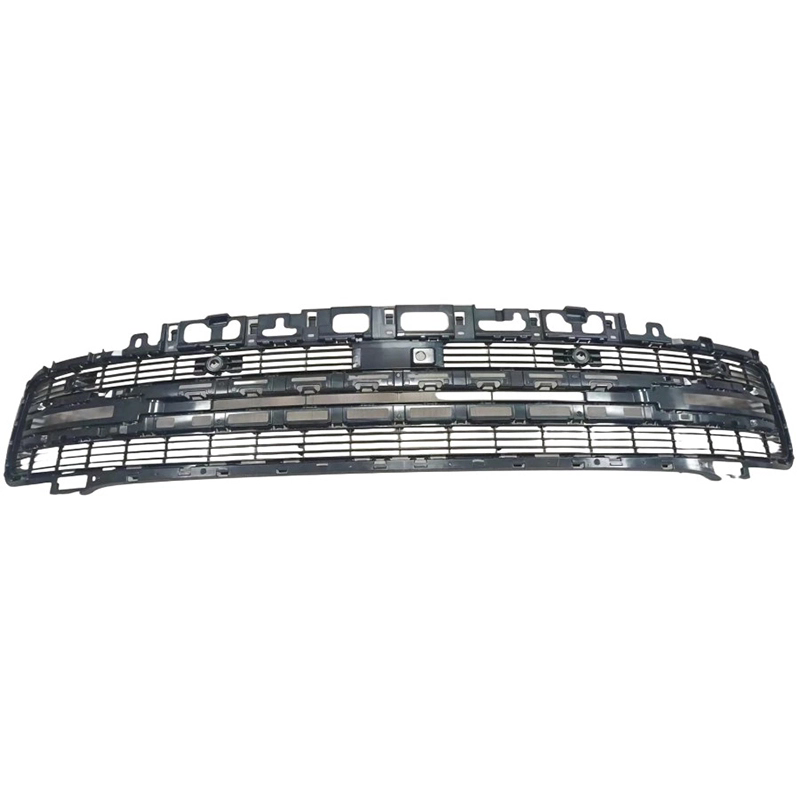
Why Do Rear Diffusers Change the Overall Appearance of a Land Rover?
The rear bumper plays an important role in how a vehicle is perceived from behind. On a large SUV such as a Land Rover, the lower bumper area can look relatively plain when compared with the grille, headlights and side profile. A rear diffuser introduces additional lines and surface definition to this area. Its fins, channels or sculpted sections can create a more layered appearance, helping the lower bumper look wider, sharper and more visually balanced.
One reason owners choose this upgrade is that it changes a noticeable part of the vehicle without requiring a complete body kit. A diffuser can complement other exterior details, including a rear spoiler, side steps, front bumper styling and gloss-black trim. When the design language is consistent, these components help create a coordinated exterior rather than a collection of unrelated accessories.
Different styling directions call for different diffuser designs. A restrained design may follow the factory bumper lines and use subtle fins, while a more aggressive version may feature deeper contours, larger outer sections or a more pronounced central profile. The right choice depends on the vehicle's original styling, the owner's preferences and whether the upgrade is intended for everyday road use or a more customised appearance.
Common styling details buyers may compare include:
- Fin layout, including the number, spacing and angle of the vertical fins.
- Lower edge profile, which determines how the diffuser meets the rear bumper.
- Side extensions, which can visually connect the centre section with the outer bumper corners.
- Surface finish, such as gloss black, matte black or a carbon-fibre-look appearance where offered.
- Exhaust opening arrangement, which must correspond with the vehicle's actual exhaust configuration.
- Overall proportions, ensuring that the diffuser does not look oversized or visually disconnected from the bumper.
Colour and finish have a significant effect on the finished appearance. Gloss black can create a stronger contrast against a lighter body colour, while matte black often gives the lower bumper a more understated look. A carbon-fibre-look finish can add a motorsport-inspired detail, although buyers should distinguish between a genuine carbon-fibre component and a printed or textured imitation. The material description should be confirmed rather than inferred from the surface pattern.
A rear diffuser is also useful when an owner wants to refresh an older vehicle's appearance. A carefully selected design can make the rear bumper look more contemporary, especially when it follows the proportions of the original bodywork. However, styling compatibility matters. A diffuser designed for one bumper version may not align correctly with a facelifted model or a different trim level. This is why buyers should confirm the exact vehicle application before ordering.
What Design Features Should Buyers Look for in a Rear Diffuser?
A good-looking diffuser needs more than a dramatic shape. Its design should relate to the rear bumper, exhaust arrangement and surrounding body lines. Buyers should examine the component from several angles, not just the rear view shown in a product photograph. Side profiles and close-up images can reveal whether the edges follow the bumper correctly, whether the fins have consistent spacing and whether the mounting areas appear suitable for the intended vehicle.
The following design details are particularly useful when comparing products.
| Design feature | What to check | Why it matters |
| Overall contour | Shape, curvature and alignment with the original rear bumper | Helps create an integrated appearance and reduces visible fitment gaps |
| Diffuser fins | Number, spacing, depth and consistency | Defines the visual character of the lower rear section |
| Exhaust openings | Position, dimensions and clearance around the exhaust outlets | Prevents interference and keeps the design compatible with the vehicle layout |
| Outer sections | Side extensions and connection points near the bumper corners | Maintains visual balance across the rear end |
| Surface finish | Gloss, matte, textured or carbon-fibre-look finish | Determines how the component coordinates with other exterior trim |
| Mounting design | Clips, screws, brackets or other specified fixing methods | Influences installation security and long-term fitment |
Proportion is often more important than the number of fins or the complexity of the design. A large diffuser may suit a more extensively modified vehicle, but it can look out of place on a standard bumper. Conversely, a very subtle lower trim piece may not deliver the visual change expected by an owner planning a complete styling upgrade. Buyers should compare the diffuser with the actual rear bumper and consider how it will look alongside the vehicle's wheels, exhaust finishers and other exterior accessories.
Exhaust compatibility deserves particular attention. Land Rover models may have different exhaust layouts depending on model, engine and trim. Some vehicles use visible exhaust finishers, while others have outlets positioned differently or concealed behind the bumper. A diffuser with fixed openings may not suit every configuration. The product drawing and vehicle photographs should therefore be checked against the actual vehicle before purchase.
It is also important to understand what a styling diffuser does and does not do. Although the term comes from automotive aerodynamics, an aftermarket rear diffuser should not automatically be assumed to improve downforce, reduce drag or increase high-speed stability. Those outcomes depend on the complete vehicle airflow design and require appropriate engineering validation. For many road-going styling upgrades, the main purpose is visual enhancement and bumper integration.
For distributors sourcing Land Rover Parts, product photographs should show the front, rear, side and mounting surfaces wherever possible. Clear images help customers understand the shape and finish, while dimensional drawings support more accurate application checks. A complete product listing should identify the intended model range and any bumper or exhaust configuration restrictions.
Which Materials and Product Specifications Affect Quality?
Material selection influences a rear diffuser's weight, surface appearance, flexibility, impact behaviour and resistance to environmental exposure. The most suitable material depends on the intended design, production method, price positioning and expected use. Buyers may encounter ABS plastic, polypropylene, polyurethane and carbon-fibre composites in the wider automotive styling market. These materials are not interchangeable, and a supplier should identify the actual material used in the specific product.
ABS is widely used for moulded automotive exterior trim because it can support detailed shapes and consistent surface finishes. Polypropylene is another option for exterior components, with material properties that vary by grade and formulation. Polyurethane may be selected for certain flexible styling applications, while carbon-fibre composites are associated with a different construction process and price level. A carbon-fibre-look plastic diffuser should not be marketed as genuine carbon fibre unless its construction supports that description.
Buyers should compare material specifications using the following points:
- Material identification: Confirm the exact polymer or composite rather than relying on broad descriptions such as premium plastic.
- Wall thickness: Request the nominal thickness and check whether it is consistent across the main body and mounting areas.
- Dimensional stability: Consider whether the component maintains its intended shape under normal vehicle operating conditions.
- Surface quality: Inspect for visible sink marks, uneven texture, scratches, colour variation and moulding defects.
- Weather resistance: Ask about the material's suitability for sunlight, rain, temperature changes and routine exterior exposure.
- Mounting strength: Check the design around clips, screw holes and brackets, where stress may concentrate during installation and use.
- Finish consistency: Confirm whether the product is supplied in a finished colour, textured surface or a condition requiring further preparation.
The following specification guide can be used when requesting a quotation or comparing samples. These are the technical details buyers should confirm for a particular diffuser; they are not published measurements for a specific Aori product.
| Product parameter | Information to confirm | Purchasing significance |
| Vehicle application | Model, model year, trim and rear bumper version | Establishes whether the diffuser is intended for the correct vehicle |
| Material | ABS, PP, polyurethane, carbon-fibre composite or another specified material | Clarifies construction and expected material characteristics |
| Dimensions | Overall length, width, height and key mounting measurements | Supports fitment and packaging checks |
| Wall thickness | Nominal thickness and any reinforced mounting sections | Helps assess construction consistency |
| Surface finish | Gloss, matte, textured, painted or carbon-fibre-look finish | Ensures the delivered appearance matches the order |
| Colour | Standard colour or customised colour reference | Supports consistent styling across product batches |
| Mounting method | Clips, screws, brackets, adhesive or a specified combination | Determines installation requirements |
| Package contents | Diffuser, mounting hardware, accessories and instructions | Prevents missing-component issues during installation |
| Quality inspection | Dimensional checks, surface inspection and sample fitment review | Provides a basis for product acceptance |
Surface finish should be evaluated under suitable lighting. Gloss black components can reveal scratches, dust and uneven reflections more easily than textured finishes. Matte surfaces may require a different cleaning approach, while painted products should be checked for colour consistency and finish defects. If a product is supplied unpainted or primed, the buyer should confirm the required preparation and painting process before installation.
Manufacturing consistency is just as important as the choice of raw material. A moulded component should maintain consistent contours, mounting positions and surface quality across production batches. Zhejiang Aori Auto Parts Co., Ltd. identifies mould development and automotive exterior parts manufacturing among its business activities. For a specific rear diffuser order, buyers should request the relevant material details, product drawing and inspection requirements so that the final specification is clear before production.
How Can Buyers Confirm Fitment and Installation Compatibility?
Fitment is one of the most important purchasing considerations for an aftermarket rear diffuser. Land Rover vehicles have evolved through different model generations and facelift updates. Even when two vehicles share the same model name, their rear bumper designs, exhaust arrangements and trim details may differ. A diffuser that fits one version may leave gaps, interfere with the exhaust finishers or require modifications when installed on another.
Before ordering, buyers should collect the vehicle information needed to identify the correct application. At minimum, this should include the model name, production year and rear bumper version. Where relevant, the engine, trim level, exhaust layout and existing body kit should also be recorded. If the vehicle has already been modified, photographs of the rear bumper and lower trim can help clarify the configuration.
A practical fitment review should cover these points:
- Confirm the model generation and production year range stated by the supplier.
- Compare the diffuser outline with the original rear bumper profile.
- Check the position and shape of exhaust outlets and decorative exhaust finishers.
- Review parking sensor locations and any rear-facing vehicle equipment.
- Check whether the product is designed for the standard bumper or a particular styling package.
- Confirm all mounting points and the hardware supplied with the component.
- Establish whether the product requires painting, trimming or additional preparation.
Installation should begin with a test fit. The installer should position the diffuser against the bumper and check the alignment before applying adhesive, tightening fasteners or making any permanent changes. The component should sit evenly, with no forced tension or unexpected gaps. Mounting points should line up with the intended locations, and the diffuser should not contact exhaust components or obstruct sensors.
Some products may use clips or screws, while others may require brackets or automotive-grade adhesive. The correct method depends on the specific design and installation instructions. Buyers should not assume that every diffuser is a direct bolt-on replacement. If drilling, trimming or removal of original trim is required, the supplier should make this clear before the order is placed.
After installation, the fixing points should be checked for security and the component inspected for movement, vibration or contact with adjacent parts. Cleaning and maintenance should follow the material and finish recommendations. Harsh chemicals or abrasive tools may damage certain coatings and gloss surfaces. If the diffuser becomes loose or cracked, it should be inspected and repaired or replaced as appropriate rather than left to detach while driving.
For trade buyers, a sample fitment check can help reduce returns and customer complaints. Our product review process should include the vehicle application, physical sample, mounting method and surface finish. Our factory can review the requested product information and manufacturing requirements, while the buyer should confirm the exact technical specifications and application before approving an order.
Why Should Styling Buyers Consider the Supplier as Well as the Product?
A rear diffuser may appear to be a relatively simple exterior accessory, but consistent supply requires more than producing the right shape once. Distributors and wholesalers need clear application information, repeatable dimensions, stable surface quality and packaging that protects the product during storage and transport. Workshops also need reliable installation information so that technicians can identify the correct component without spending unnecessary time resolving fitment issues.
Supplier evaluation should therefore include several practical areas:
- Product development: Ask whether the supplier can review drawings, samples or vehicle references when assessing an application.
- Moulding capability: Understand the supplier's experience with mould development and the production methods used for exterior parts.
- Quality control: Confirm how dimensions, mounting points and surface appearance are inspected.
- Application records: Request clear model-year and bumper-version information for each part number.
- Order communication: Confirm sample approval, production requirements, packaging and delivery arrangements.
- After-sales support: Establish how fitment questions, damaged goods and quality concerns are handled.
For international buyers, packaging should not be overlooked. Rear diffusers can have extended shapes and projecting fins that are vulnerable to pressure or impact during transport. Suitable protective packaging should prevent surface scratches, deformation and damage to mounting tabs. The package dimensions and gross weight should also be confirmed for freight planning, particularly when ordering multiple pieces for wholesale distribution.
Aori describes its business as covering automotive exterior parts, mould development, manufacturing and sales, with a focus on Land Rover and Jaguar-related products. Its public company information also highlights production and research and development experience. Buyers interested in a rear diffuser should request confirmation of the available design, vehicle application, material and production details rather than assuming that all styling products share the same specifications.
When comparing Land Rover Parts, a professional purchasing decision should consider the complete package: vehicle compatibility, material, surface finish, mounting design, sample quality and supplier communication. These details help distributors build a more dependable catalogue and allow installers to work with fewer uncertainties. A product that looks good in a photograph still needs to fit the vehicle properly and arrive in suitable condition.
Conclusion: What Should Buyers Prioritise When Sourcing a Rear Diffuser?
Rear diffusers are popular because they add definition to the lower rear bumper and help Land Rover owners create a more distinctive exterior style. Their appeal comes from design flexibility, compatibility with wider body styling upgrades and the ability to refresh the rear profile without replacing the complete bumper. However, appearance should never be the only selection criterion. Material, dimensions, finish, exhaust clearance, mounting points and model-year fitment all deserve careful review.
Zhejiang Aori Auto Parts Co., Ltd. focuses on automotive exterior parts and mould-related manufacturing for vehicle applications that include Land Rover and Jaguar. If you are sourcing rear styling components for your distribution or modification business, share the target model, production year, bumper version, preferred material and finish with our team. Contact us to discuss product availability, request technical information and obtain a quotation for your requirements.
Frequently Asked Questions
Q: Does a rear diffuser improve the aerodynamic performance of every Land Rover?
A: No. An aftermarket rear diffuser does not automatically improve aerodynamic performance. Its primary purpose on many styling products is to enhance the appearance of the lower rear bumper. Actual aerodynamic effects depend on the diffuser's geometry, its relationship with the vehicle underbody and the overall airflow design. Buyers should look for relevant engineering or test evidence before making claims about reduced drag, increased downforce or improved high-speed stability.
Q: How can I tell whether a rear diffuser is compatible with my Land Rover?
A: Check the exact model generation, production year, rear bumper version, trim and exhaust configuration against the supplier's fitment information. Compare the product drawing and mounting locations with the vehicle, paying particular attention to sensor positions, exhaust openings and bumper contours. If the vehicle has aftermarket modifications, provide clear photographs and arrange a sample test fit where possible before confirming a larger order.
Q: Which material is suitable for a durable aftermarket rear diffuser?
A: The suitable material depends on the design, intended use, required finish and budget. ABS and polypropylene are common choices for moulded exterior trim, while polyurethane and carbon-fibre composites serve different product requirements. Buyers should confirm the exact material grade, wall thickness, mounting reinforcement, surface treatment and weather-resistance information. A carbon-fibre-look finish should not be treated as genuine carbon fibre unless the product construction confirms it.