

What Really Makes an Off-Road Forged Wheel Worth Trusting on Extreme Terrain?
2025-12-26
I have spent years paying attention to how off-road vehicles perform once they leave paved roads behind. Over time, one component has repeatedly proven to be decisive for safety, durability, and driving confidence: the Off-Road Forged Wheel. When I first encountered Yichi, it was not through aggressive marketing but through conversations with off-road enthusiasts who cared deeply about performance under pressure. That gradual recognition made me look closer at what truly separates a reliable Off-Road Forged Wheel from ordinary alternatives.
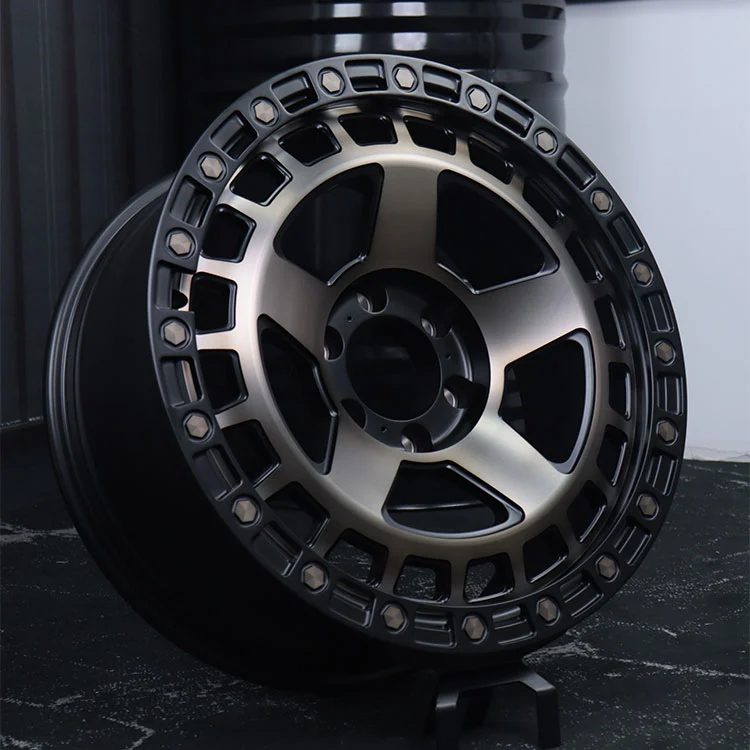
Why Do Off-Road Drivers Demand More from a Wheel?
When I talk to drivers who spend time on rocks, sand, or muddy trails, their concerns are surprisingly consistent. They are not chasing flashy designs alone. They want strength they can trust, weight that does not slow them down, and stability that holds up under unpredictable conditions. A poorly designed wheel can crack, bend, or fail when torque and impact combine, which is why a well-engineered Off-Road Forged Wheel matters so much.
- I look for resistance to deformation under heavy load.
- I expect consistent performance during long off-road sessions.
- I value balance because vibration can quickly ruin control.
These expectations are exactly where forged technology shows its value.
How Does Forging Improve Off-Road Wheel Performance?
I often explain forging in simple terms. Instead of casting molten metal into a mold, forging applies extreme pressure to shape the aluminum. This process aligns the metal grain structure, making the wheel denser and stronger. For an Off-Road Forged Wheel, that structural integrity becomes crucial when facing sharp impacts or uneven ground.
From my perspective, forging offers three practical advantages:
- Higher strength with less material, which reduces unnecessary weight.
- Improved fatigue resistance during repeated off-road stress.
- More precise engineering for fitment and balance.
This combination explains why forged wheels are often chosen by drivers who cannot afford mechanical surprises far from civilization.
What Problems Do Off-Road Drivers Face with Standard Wheels?
I have seen many off-road newcomers start with standard cast wheels because they appear affordable at first. Over time, however, problems begin to surface. Cracks near the bead, bent rims after hard landings, and uneven wear are common complaints. These issues do not just affect performance; they can become serious safety risks.
Switching to an Off-Road Forged Wheel directly addresses these concerns by offering a higher margin of safety. That peace of mind becomes invaluable on long trails where support is limited.
How Do I Compare Forged Wheels to Other Options?
| Comparison Point | Cast Wheel | Off-Road Forged Wheel |
|---|---|---|
| Strength Under Impact | Moderate | High |
| Weight Efficiency | Heavier | Lighter with equal strength |
| Fatigue Resistance | Limited over time | Designed for repeated stress |
| Precision Fitment | Standard tolerance | Tighter engineering control |
This comparison highlights why forged wheels are often viewed as a long-term investment rather than a short-term upgrade.
Why Does Design Matter as Much as Strength?
I believe design is not just about appearance. Spoke layout, offset, and load rating all influence how a wheel performs off-road. A well-designed Off-Road Forged Wheel distributes stress evenly and supports tire performance. That balance reduces the chance of sudden failure and improves handling during technical maneuvers.
At this stage, brands like Yichi stand out because their designs reflect real-world off-road use rather than purely visual trends.
How Can the Right Wheel Improve Long-Term Ownership?
From my experience, the right wheel choice reduces maintenance costs and extends vehicle lifespan. Fewer bent rims mean fewer tire issues. Better balance means less strain on suspension components. Over time, an Off-Road Forged Wheel can quietly save money while delivering consistent performance.
This long-term reliability is often overlooked but becomes obvious after years of demanding use.
Are You Ready to Upgrade Your Off-Road Experience?
If you are serious about performance, safety, and durability, choosing the right Off-Road Forged Wheel is a decision worth careful consideration. I encourage you to explore solutions that align with how and where you drive, rather than settling for generic options.
If you would like to learn more, discuss specifications, or request a tailored recommendation, feel free to contact us. Reach out today and let us help you find a forged wheel solution that truly matches your off-road goals.