

What Size Caster Wheel Do I Need for My Trailer Jack
2025-12-24
Choosing the correct Trailer Jack Caster is a critical decision that impacts the mobility, stability, and longevity of your trailer setup. An incorrectly sized wheel can lead to excessive strain on your trailer jack, difficult maneuvering, or even premature failure. As a leader in premium trailer hardware, Rodrock is here to guide you through the key sizing considerations to ensure you find the perfect match for your needs.
Selecting the right size involves evaluating three primary factors: Load Capacity, Wheel Diameter, and Wheel Width/Material. Follow this systematic approach.
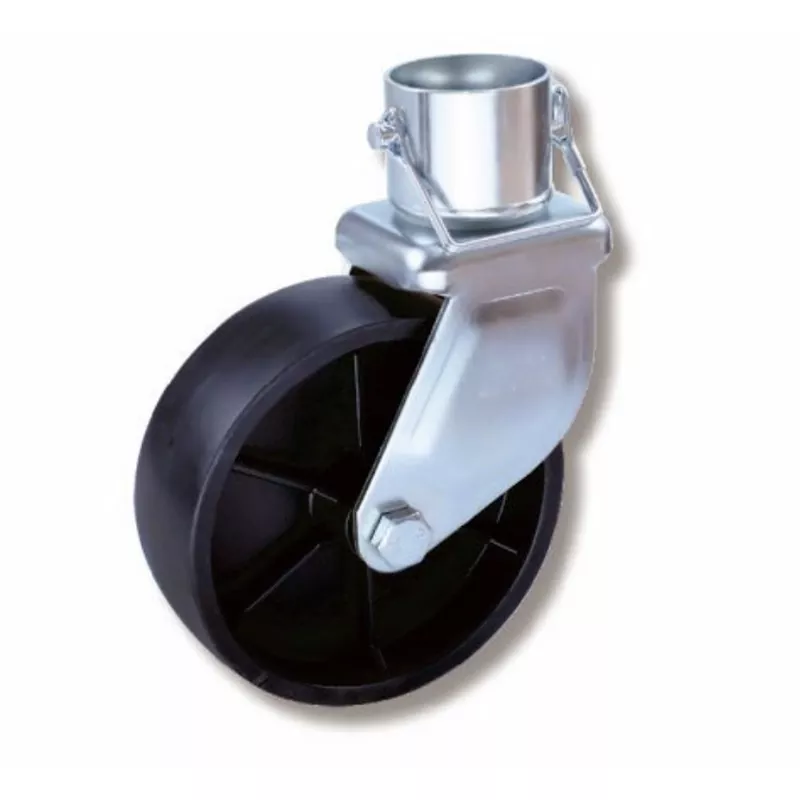
Key Factors for Selecting Your Caster Size:
-
Determine the Load Capacity: This is the most crucial step. The caster must support the tongue weight of your trailer.
-
How to Calculate: Find your trailer's Gross Vehicle Weight Rating (GVWR). The tongue weight is typically 10-15% of the GVWR. Divide this total tongue weight by the number of casters (usually one or two). Always choose a caster with a rated capacity exceeding this result.
-
Rodrock Pro Tip: For safety and durability, we recommend a minimum 25-30% safety margin over your calculated load.
-
-
Choose the Wheel Diameter: Larger wheels roll over obstacles like cracks, gravel, and grass much easier than smaller ones.
-
4" to 5" Wheels: Ideal for lighter loads and smooth, paved surfaces.
-
6" to 8" Wheels: The most popular choice for general use. They offer an excellent balance of mobility and strength for concrete, asphalt, and moderately rough ground.
-
10" and Larger: Best for heavy-duty applications, soft ground (grass, dirt), and the roughest terrain.
-
-
Select the Wheel Type & Width: The material defines the wheel's performance characteristics.
| Wheel Type | Best For | Advantages | Considerations |
|---|---|---|---|
| Polyurethane | Most common use; paved/ hard surfaces | Excellent load capacity, wear resistance, no flats | Can be harder on very soft ground |
| Pneumatic (Air-Filled) | Rough, uneven terrain; delicate floors | Superior cushioning, smooth ride over obstacles | Requires maintenance, can puncture |
| Solid Rubber | Debris-prone areas; a balance of cushioning | No flats, good shock absorption, all-purpose | Heavier than poly, can mark floors |
Trailer Jack Caster FAQ
Q: Can I replace a fixed leg jack with a swivel caster system from Rodrock?
A: Yes, in most cases. Many Rodrock trailer jack models offer a caster kit option or are compatible with a universal swivel caster plate. This upgrade dramatically improves mobility, allowing you to pivot and move your trailer effortlessly by hand.
Q: Why is my new Trailer Jack Caster wheel hard to swivel or seems sticky?
A: This is often due to a tight fit or needing a break-in period. First, ensure the mounting hardware isn't over-tightened. Second, lubricate the swivel raceway (the bearing surface between the top and bottom plates) with a high-quality grease. After a few uses, swiveling usually becomes smooth.
Q: How often should I maintain my Trailer Jack Caster?
A: We recommend a simple inspection before each trip. Check for loose nuts/bolts, visible damage, and tire pressure (if pneumatic). Annually, clean the caster of grime and re-grease the swivel mechanism to ensure long-lasting, smooth performance. Using genuine Rodrock replacement parts guarantees optimal fit and function.
Finding the right Trailer Jack Caster size doesn't have to be a puzzle. By assessing your load, terrain, and needs with the guidelines above, you can make an informed choice that enhances your trailer's functionality. Rodrock is committed to providing durable, high-performance components you can trust for every journey.
Still unsure about the perfect fit for your setup? Our experts are ready to help. Contact us today with your trailer and jack model, and we'll recommend the ideal Rodrock caster solution for you.