

Abstract: Petrol motorcycles continue to be a preferred choice for riders worldwide due to their reliability, performance, and ease of maintenance. This article explores the benefits, considerations, and key factors to evaluate when selecting a petrol motorcycle. It provides comprehensive insights into engine types, fuel efficiency, maintenance tips, and safety features, helping prospective buyers make an informed decision.
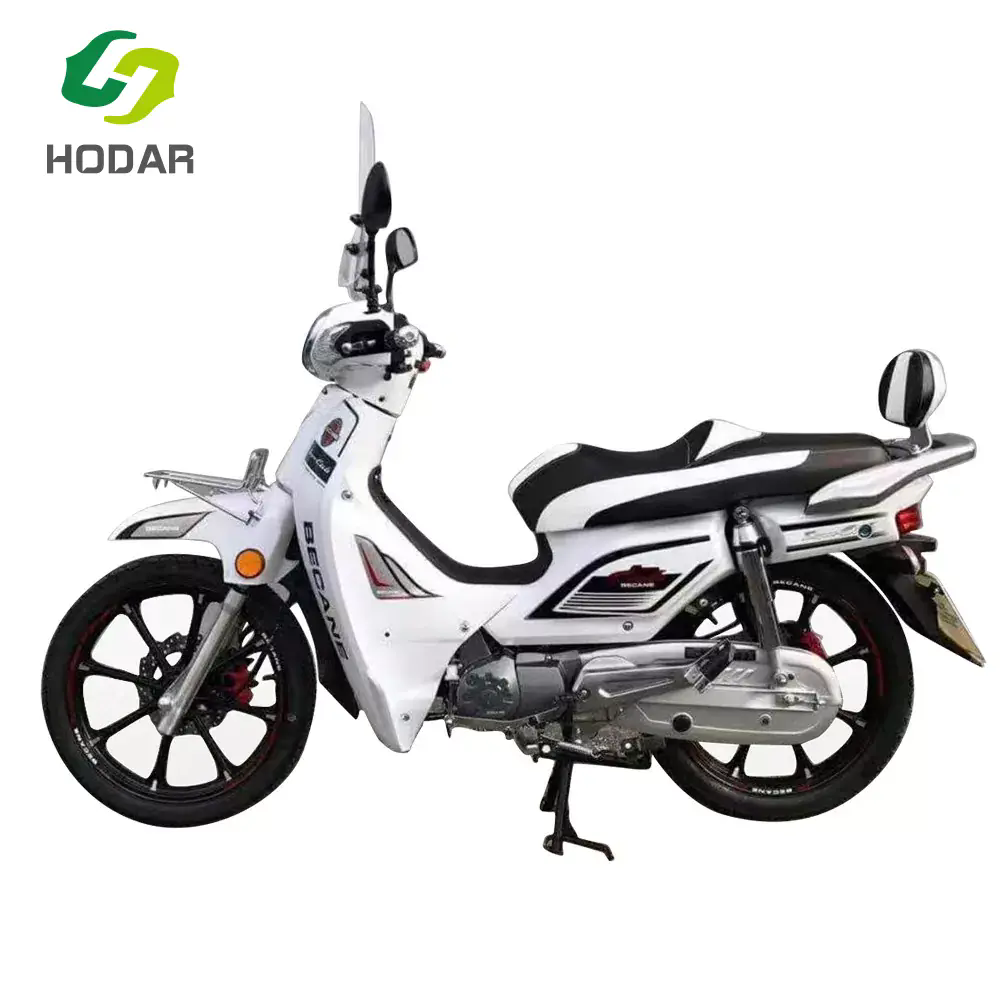
Table of Contents
- Introduction to Petrol Motorcycles
- Advantages of Petrol Motorcycles
- Different Types of Petrol Motorcycles
- Maintenance and Fuel Considerations
- Safety Features and Riding Tips
- Frequently Asked Questions
- Conclusion and Contact
Introduction to Petrol Motorcycles
Petrol motorcycles, powered by internal combustion engines using gasoline, remain a popular choice for urban commuting, long-distance travel, and recreational riding. Their versatility, ease of refueling, and widespread service infrastructure make them a practical option compared to electric motorcycles in many regions.
Understanding the core mechanics and benefits of petrol motorcycles helps users optimize performance, ensure longevity, and select the right model based on personal needs.
Advantages of Petrol Motorcycles
Choosing a petrol motorcycle offers several distinct advantages:
- High Performance: Petrol engines provide strong acceleration and consistent power delivery, making them ideal for both city traffic and highways.
- Wider Availability: Gasoline stations are abundant, making refueling convenient and quick.
- Lower Initial Cost: Petrol motorcycles generally have lower upfront costs compared to electric alternatives with similar specifications.
- Easy Maintenance: Mechanics for petrol engines are widely available, and spare parts are relatively affordable.
- Long Riding Range: Petrol motorcycles can travel long distances on a single tank, unlike some electric motorcycles that require frequent recharging.
Different Types of Petrol Motorcycles
Petrol motorcycles come in various categories to suit different riding needs. Below is a breakdown of the main types:
| Type | Description | Best Use |
|---|---|---|
| Standard | Versatile motorcycles with balanced power and comfort. | Daily commuting and light touring. |
| Sport | High-performance motorcycles designed for speed and agility. | Track riding and spirited highway travel. |
| Adventure | Motorcycles designed for both on-road and off-road use. | Long-distance touring and off-road adventures. |
| Cruiser | Low-slung motorcycles focused on style and relaxed riding. | Urban cruising and highway rides. |
| Touring | Fully equipped motorcycles with storage and comfort features. | Long-distance travel with luggage capacity. |
Maintenance and Fuel Considerations
Regular maintenance ensures the longevity and efficiency of petrol motorcycles. Key areas to focus on include:
- Engine Oil: Change oil every 3,000–5,000 km depending on manufacturer recommendations.
- Fuel Quality: Use the recommended octane rating to avoid engine knocking and reduce wear.
- Air Filters: Clean or replace filters to maintain optimal airflow and engine performance.
- Brake System: Inspect brake pads and fluid regularly to ensure safety.
- Tire Condition: Check for wear and maintain correct pressure for handling and fuel efficiency.
Fuel efficiency varies based on engine size, riding style, and terrain. Smaller engines (100–250cc) tend to consume less fuel, while larger engines (500cc and above) deliver higher power at the cost of fuel economy.
Safety Features and Riding Tips
Riding a petrol motorcycle safely involves understanding both the bike’s capabilities and traffic conditions. Important safety considerations include:
- Protective Gear: Always wear helmets, gloves, jackets, and reinforced footwear.
- Braking Systems: Use motorcycles with ABS (Anti-lock Braking System) for enhanced control.
- Visibility: Wear reflective clothing and use headlights even during the day.
- Regular Checks: Inspect tires, brakes, and lights before every ride.
- Defensive Riding: Maintain safe distances, anticipate hazards, and avoid aggressive maneuvers.
Frequently Asked Questions
-
Q1: How long can a petrol motorcycle last?
A petrol motorcycle can last between 50,000 to 100,000 km or more with proper maintenance, depending on engine quality and usage. -
Q2: Is a petrol motorcycle more expensive to maintain than an electric one?
Generally, petrol motorcycles have lower initial costs but require regular fuel, oil, and mechanical maintenance. Electric motorcycles have fewer moving parts but may require costly battery replacement. -
Q3: Can petrol motorcycles be used for long-distance touring?
Yes, petrol motorcycles are ideal for long-distance travel due to their larger fuel tanks and widespread availability of refueling stations. -
Q4: Which engine size is suitable for beginners?
Beginner riders often prefer 125cc to 250cc motorcycles for manageable power and better control.
Conclusion and Contact
Petrol motorcycles remain a practical, reliable, and versatile option for riders seeking performance and convenience. By understanding engine types, maintenance requirements, fuel considerations, and safety measures, riders can choose the model that best fits their lifestyle.
For those interested in high-quality petrol motorcycles, Ruifeng offers a range of reliable models built for performance and durability. Explore their product range and find the perfect motorcycle to suit your needs. Contact us today for personalized advice and purchasing options.