

Why Is a Cast Iron Car Clamp Heavier Than Most Other Wheel Locks
2026-09-04
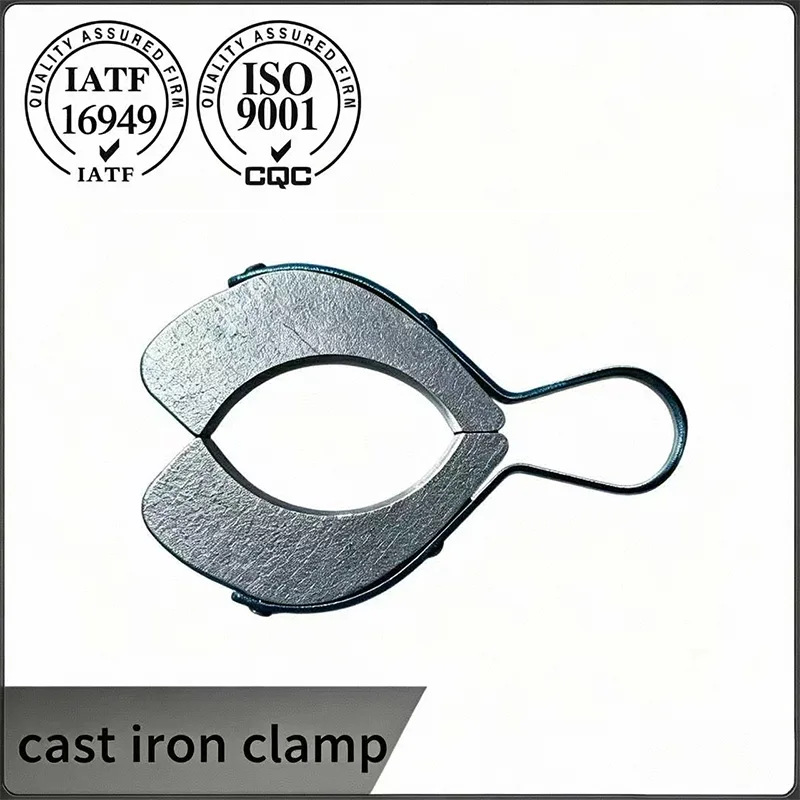
If you have ever handled a Cast Iron Car Clamp, the first thing you notice is the sheer heft. While aluminum boots and compact steering-wheel locks feel almost insubstantial, a Maisheng Cast Iron Car Clamp demands respect through its raw mass. This weight difference is not accidental—it is a direct result of material science, engineering priorities, and real-world enforcement needs. Understanding why this matters can save you from costly mistakes when choosing a parking restriction device for commercial or municipal use.
The Material Factor: Cast Iron vs. Steel and Aluminum
Most wheel locks fall into three material categories: aluminum alloys, stamped steel, and cast iron. Each has a distinct density and structural behavior.
| Material | Density (g/cm³) | Typical Tensile Strength (MPa) | Relative Weight (per same volume) |
|---|---|---|---|
| Aluminum (6061) | 2.7 | 310 | Lightest |
| Stamped Steel (A36) | 7.85 | 400 | Medium |
| Cast Iron (ASTM A48) | 7.0–7.3 | 150–250 | Heaviest |
At first glance, cast iron is slightly less dense than steel. However, Cast Iron Car Clamp designs use thicker wall sections and larger structural ribs than stamped steel counterparts. A typical steel boot might use 3mm sheet metal, while a Maisheng Cast Iron Car Clamp employs 10–12mm solid cast sections. This translates into a 2.5x to 3x weight increase for the same clamping area.
Why Engineers Choose Heavier Cast Iron
1. Brittle Strength vs. Ductile Yield
Cast iron does not bend—it fractures under extreme overload. For a wheel lock, this is a feature, not a bug. A thief attacking a Cast Iron Car Clamp with a pry bar cannot deform the housing to slip it off; the material resists plastic deformation until it cracks, and cracking requires tremendous impact force. Steel bends quietly; cast iron shouts with resistance.
2. Vibration Damping
Heavy cast iron naturally absorbs road vibrations and hammer strikes. This deadens acoustic feedback during cutting attempts, making angle-grinder attacks more difficult to control. The added mass also lowers the resonant frequency, so power tools tend to chatter rather than cut cleanly.
3. Thermal Mass
Cutting or torching a Cast Iron Car Clamp requires sustained heat. The high thermal mass (nearly 3x that of aluminum) dissipates localized heat quickly, delaying torch penetration by 40–60 seconds compared to thinner steel boots. In real-world theft attempts, those extra seconds are often decisive.
Practical Trade-offs: Weight for Security
| Performance Metric | Aluminum Boot | Stamped Steel Boot | Cast Iron Car Clamp (Maisheng) |
|---|---|---|---|
| Average Weight (kg) | 4.5 | 6.8 | 11.2 |
| Pry-bar resistance | Low | Medium | High |
| Grinder cut time (min) | 1.2 | 2.5 | 4.8 |
| Portability (field use) | Excellent | Good | Fair (requires 2 hands) |
| Long-term outdoor rust | Moderate | High (needs coating) | Low (graphite-rich surface) |
While the Maisheng Cast Iron Car Clamp is not a tool you carry casually, its weight directly correlates with its deterrent value. Parking enforcement officers trade convenience for confidence.
Three Critical FAQs About the Cast Iron Car Clamp
Q1: Does the extra weight of a Cast Iron Car Clamp risk damaging my vehicle’s suspension or wheel bearings if left on for several days?
A: No. The static load of a Cast Iron Car Clamp is distributed across the wheel’s tread face and sidewall, not the suspension components. At 11–12 kg, it is roughly equivalent to a full-size spare tire sitting in the trunk—well within the wheel assembly’s design tolerance. However, Maisheng recommends rotating the clamped wheel slightly (10–15 degrees) every 48 hours to prevent flat-spotting on soft tires. The clamp’s rubberized inner pads, standard on all Maisheng models, also mitigate localized pressure points.
Q2: Can a single person safely install or remove a Cast Iron Car Clamp without mechanical aid?
A: Yes, with proper technique. While a Cast Iron Car Clamp is heavier than aluminum alternatives, the articulated hinge design on Maisheng units allows one-person operation in under 90 seconds. The key is to position the lower jaw under the tire’s lowest point first, then swing the upper arm over the tread—this leverages gravity, not muscle strength. For removal, always use the built-in carrying handle and keep your back straight. Maisheng provides a color-coded alignment guide on every unit to reduce fumbling.
Q3: Does the heavier cast iron construction make the lock mechanism more vulnerable to rust-jamming in coastal or rainy climates?
A: Quite the opposite. Cast iron’s natural graphite flakes (present in gray iron) create a self-lubricating surface that resists galling. Maisheng adds a sacrificial zinc-phosphate coating and sealed stainless-steel lock cores to all Cast Iron Car Clamp units. In independent salt-spray tests (ASTM B117), Maisheng clamps showed zero lock-cylinder seizure after 500 hours—outperforming aluminum boots, which suffered galvanic corrosion around steel shackles. Routine maintenance (monthly silicone spray into the keyway) keeps the mechanism smooth for over 5,000 cycles.
The Verdict: Weight Is a Feature, Not a Flaw
Every kilogram in a Cast Iron Car Clamp serves a purpose: theft deterrence, tool resistance, thermal defense, and long-term durability. Maisheng engineers deliberately accept the portability penalty because their primary customers—municipal parking authorities, private lot owners, and fleet managers—prioritize asset security over staff convenience. The clamp’s weight also acts as a psychological barrier; a would-be violator sees a massive iron boot and often abandons the attempt before even retrieving a tool.
For environments where clamps are moved fewer than three times per day (stationary enforcement), cast iron is objectively superior. For mobile patrols with frequent setups, Maisheng offers a wheeled carrying case that turns the weight into a manageable rolling load.
Ready to Secure Your Property?
The right Cast Iron Car Clamp transforms your parking control from reactive to proactive. Maisheng provides certified load-test reports, weather-resistance data, and on-site installation training for every commercial order. Our technical team can match the clamp’s jaw opening, arm length, and lock grade to your specific tire sizes and threat models.
Contact us today for a comparative quote—mention your average tire diameter and daily clamp cycles, and we will reply within 4 business hours with a tailored specification sheet. Secure your lot. Secure your peace of mind. Maisheng is your partner in heavy-duty enforcement.